
18K Gold Finish: What to Check and How to Wear It
A gold-tone watch is judged by the control of its color, the finish at the edges, and how polished and brushed surfaces work together. The buyer should understand that a surface finish needs different care from steel and is not solid precious metal.
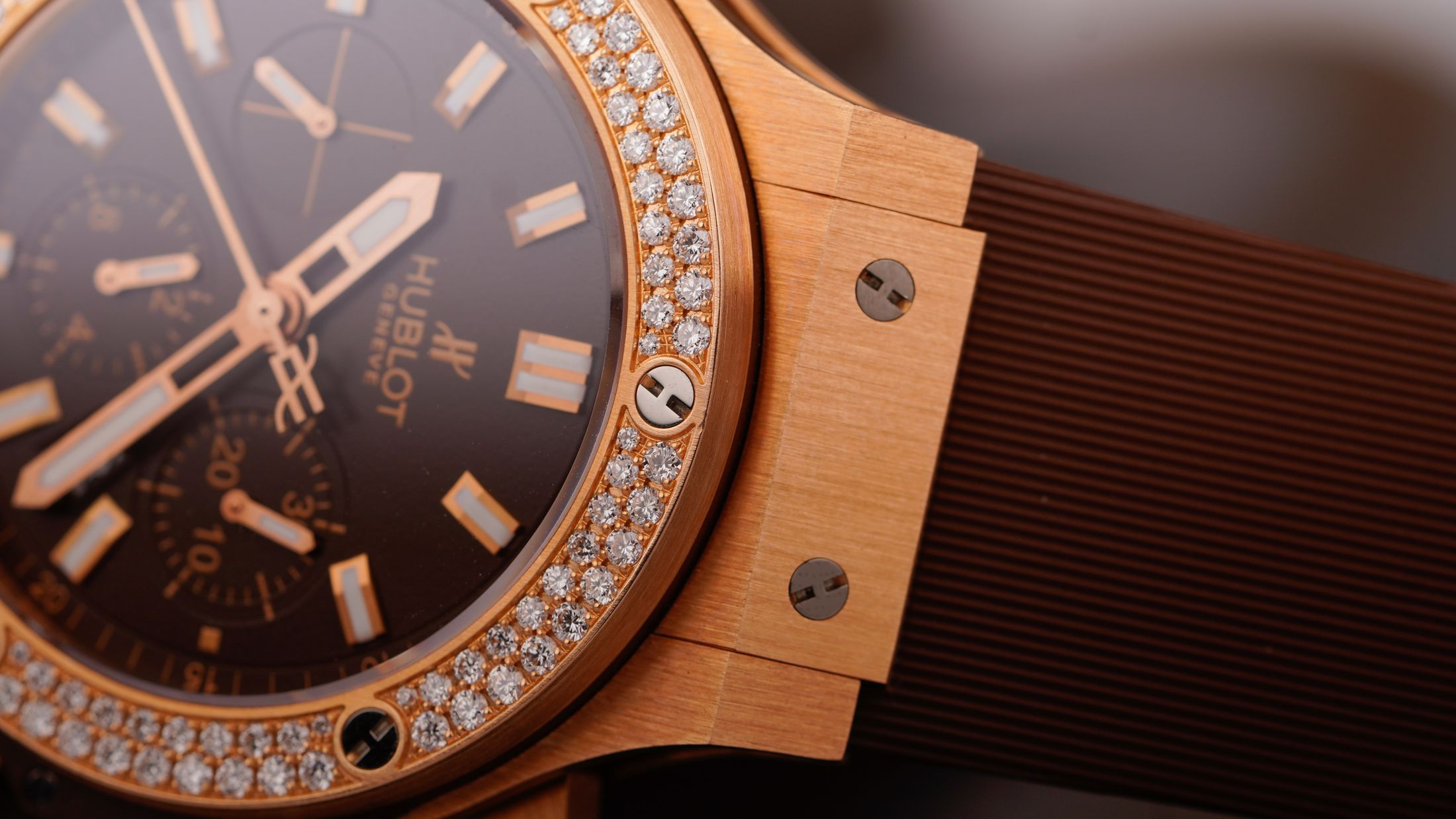
Gold finish works when the watch still looks composed up close.
Color alone is not enough. The bracelet and case should retain a sensible contrast between polished and brushed areas; the bezel, crown, clasp, and link edges should not look rough or overly yellow. A buyer who wants a gold-tone piece should decide first whether the visual impact is worth the extra care it asks for.
Look at the surfaces that get handled and catch light.
Color balance
Check the tone in useful light. A better result reads warm and controlled rather than flat, orange, or aggressively yellow.
Surface transitions
Polished and brushed areas should separate cleanly on the case, bracelet, bezel, and clasp. Soft or messy transitions make a watch look cheaper quickly.
High-contact points
Clasp interiors, bracelet sides, crown area, bezel edges, and the underside of a bracelet see frequent contact. These are sensible places to request a close QC angle.
Two-tone consistency
Where steel and gold-tone elements meet, the relationship should look deliberate. The finish should not make one component appear unrelated to the rest of the watch.
Care after wear
Wipe the watch with a soft dry cloth, avoid perfumes and harsh cleaners, and keep it away from rough objects that can rub or scratch the surface.
Gold-tone is a visual decision with a maintenance cost.
A gold-tone or two-tone watch gives more presence than steel. It can work well for a buyer who wants warmth, contrast, or dressier impact. It asks for more restraint in daily handling, especially around bracelets, desk surfaces, bags, jewelry, sweat, fragrance, and chemicals.
Occasional or statement wear
Gold-tone can make a strong choice for evenings, events, gifting, or a collection where the watch is not expected to absorb rough daily use.
Daily wear
A buyer who wants the lowest-maintenance option may prefer steel. If gold-tone is worn often, accept that the condition will depend heavily on care and contact.
Expectation setting
Do not treat the finish as solid gold or expect it to ignore friction. The correct purchase decision starts with that distinction.
Ask for a close view before dispatch, then protect the finish after delivery.
QC can help the buyer see tone, surface evenness, clasp condition, bracelet edges, and the visible meeting points between brushed and polished areas. After delivery, ordinary care matters more than a general claim about coating technology.
Close QC request
Ask for the case side, bezel, crown, clasp, and bracelet edges if gold tone or finishing will decide your approval.
Avoid chemicals
Perfume, sunscreen, cleaning products, chlorine, and other chemicals can affect the appearance of a plated or coated surface.
Store with separation
Do not throw the watch into a loose drawer or bag with hard objects. Use a soft pouch or separate storage when it is not being worn.
Choose gold-tone for the presence it gives, then wear it as a finished surface rather than an indestructible material.
The best gold-tone purchase is one the buyer expects to care for. If the watch will face frequent impact, chemicals, or rough daily work, a steel version often makes more sense. If the goal is warmth and visual impact, a carefully checked gold-tone piece can be the better choice.
Before choosing a gold-tone model, confirm these points.
- The tone and finish look right in the QC material.
- The case, bracelet, clasp, bezel, and crown edges have been checked closely.
- The watch suits the way you will actually wear and store it.
- You accept that surface condition depends on care and contact over time.