
Water-Resistance Expectations for Super Clone Watches
Water resistance deserves conservative judgment. A watch can look sealed and still be affected by crown use, worn gaskets, impact, temperature change, caseback handling, or water pressure beyond ordinary daily contact.
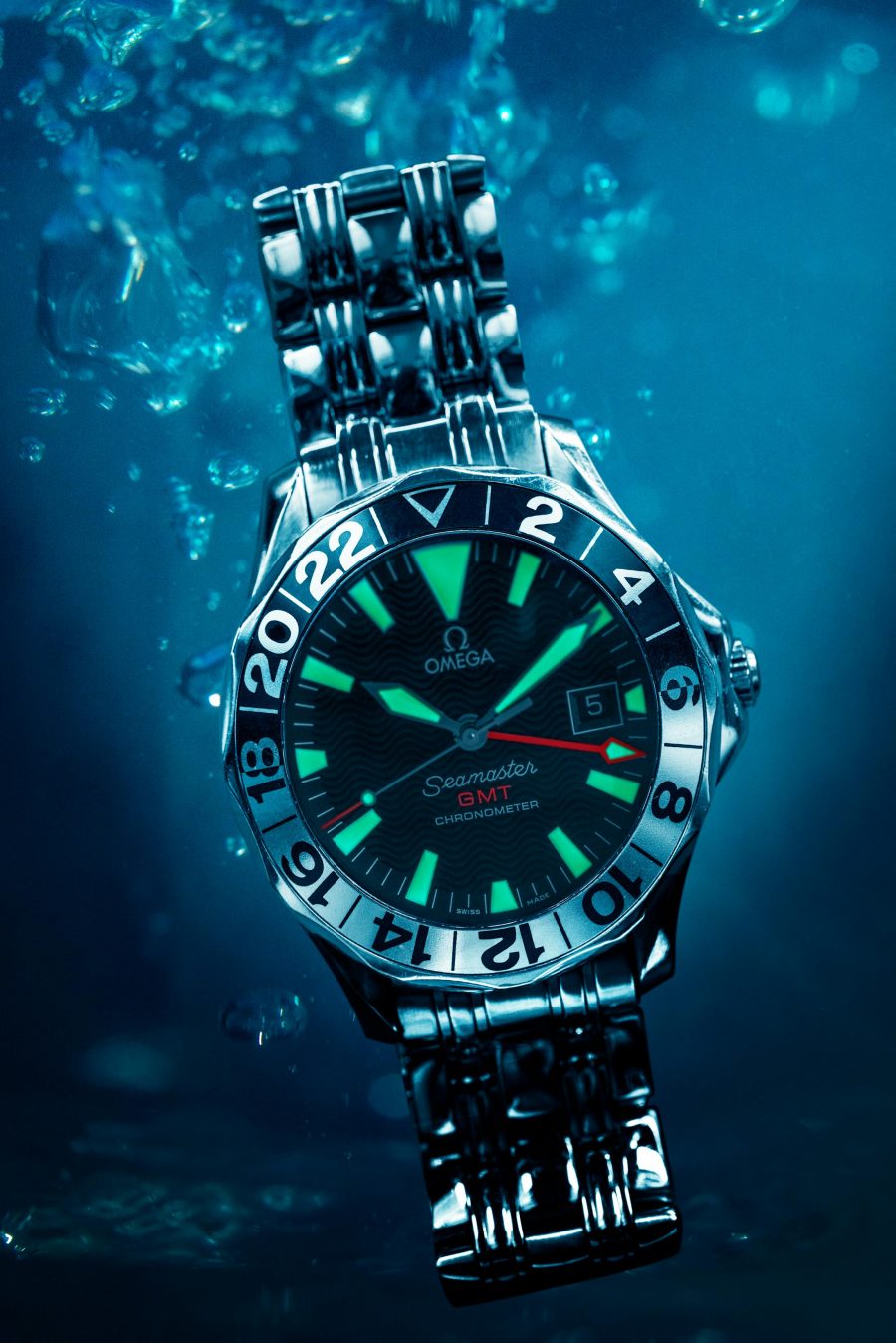
The conservative view is the useful view.
A crown, crystal, caseback, gasket, pusher, and case condition all influence water resistance. Those parts can change through wear or impact, and the buyer cannot assume that a watch will tolerate every water activity because the reference style was designed as a diver. Use the watch accordingly.
The risk is usually at a sealing point or in later handling.
Crown and pushers
The crown must be fully secured before ordinary contact with water. Chronograph pushers and other case controls add more points that should not be operated around water.
Crystal, caseback, and gaskets
A hard knock, prior opening, worn seal, or poor reassembly can change the protection that the watch had when it left preparation.
Heat and steam
Hot showers, saunas, steam, and sudden temperature changes can create a harsher environment than rain or careful hand washing.
Swimming and diving
Do not treat a super clone watch as a swimming, diving, or water-sport tool unless you have received model-specific written guidance and still accept the practical risk.
After any water concern
If moisture, fogging, or an unusual condition appears, stop wearing the watch and contact support with clear evidence. Do not keep winding or operating it in the hope that the issue disappears.
Ask the question in terms of your actual use.
“Is it waterproof?” is too broad to produce a useful answer. Explain whether you mean rain, hand washing, travel, pool use, diving, a humid climate, or a job involving regular water contact. Support can then state the conservative expectation rather than giving an answer that encourages careless use.
Daily contact
Rain or careful hand washing are different from submersion. Keep the crown secured and avoid unnecessary exposure even in ordinary use.
Pressure or sport use
Pool, ocean, diving, jet-skiing, hot-tub, sauna, and high-pressure conditions sit outside a cautious everyday-use assumption.
Testing request
If a water-related check is important to your decision, ask before payment. Do not turn a general request into a promise that covers every later use condition.
The condition of the watch changes the answer over time.
Water resistance is not a permanent property that can be inferred from a product page forever. A drop, a loose crown, a damaged crystal, age, third-party opening, or seal wear can change the situation. Keep the watch dry if there is doubt, and do not expose a watch with an unresolved issue to more water.
Crown discipline
Check that the crown is correctly seated before wearing the watch near water. Do not adjust time, date, or other functions while the watch is wet.
Impact or repair
After a strong impact, case opening, crystal damage, or unapproved repair, assume the prior water-resistance condition may no longer apply.
Warranty boundary
Water damage can depend on later handling and condition, so it is not treated as a routine movement warranty claim. The returns policy explains the review process and exclusions.
Wear a water-sensitive mechanical watch with more caution than the marketing around a dive-style design suggests.
The right approach is simple: secure the crown, avoid unnecessary water exposure, keep it away from steam and pressure, and ask before ordering if water use is part of your daily life. That is more useful than a broad waterproof claim.
Before choosing a water-exposed use case, confirm these points.
- What water exposure you actually expect in daily life.
- Whether the crown and any pushers will remain secure in that use.
- Whether you accept that swimming, diving, steam, and high pressure are outside a cautious assumption.
- How to report a concern without opening or operating the watch further.