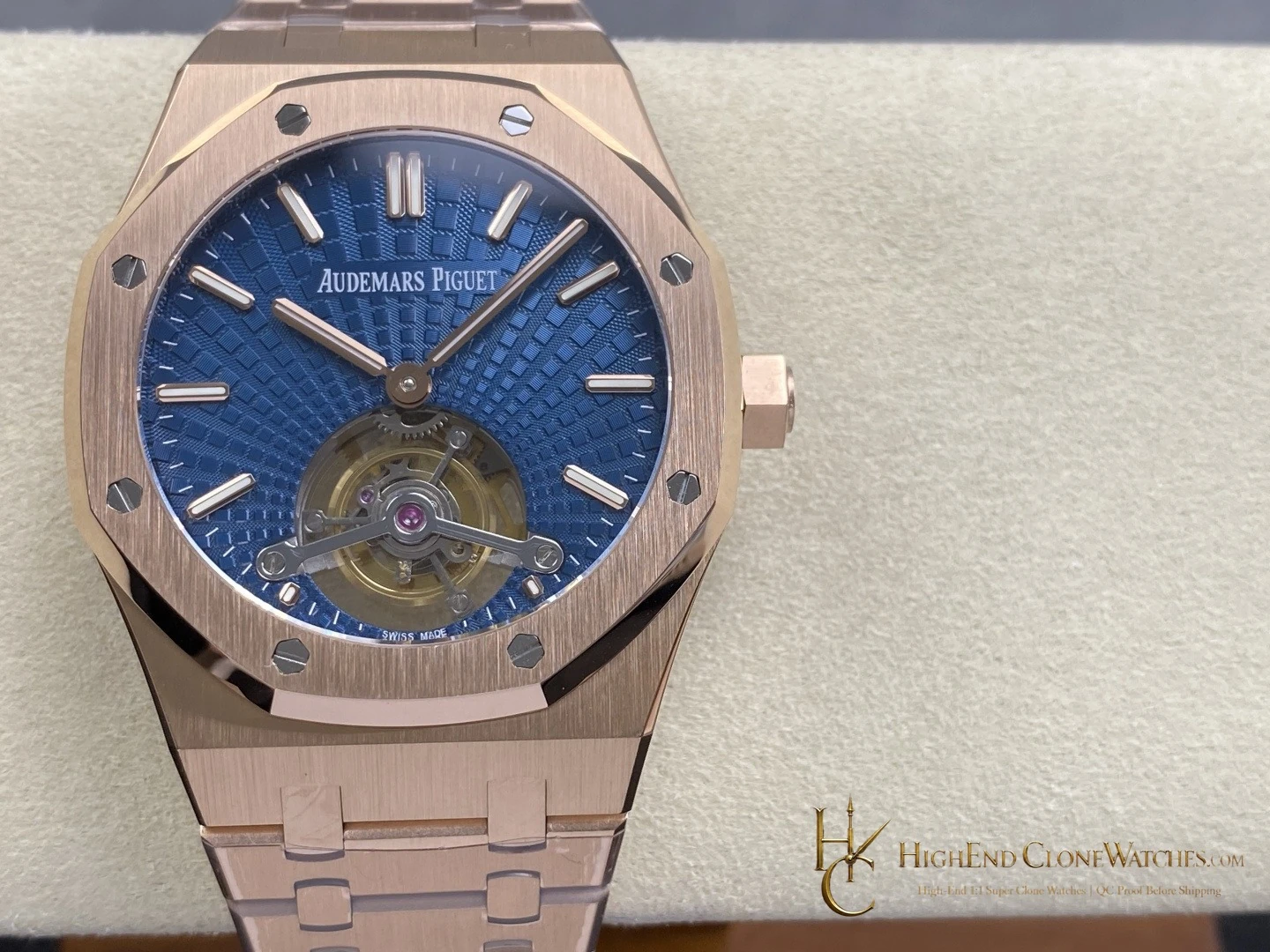
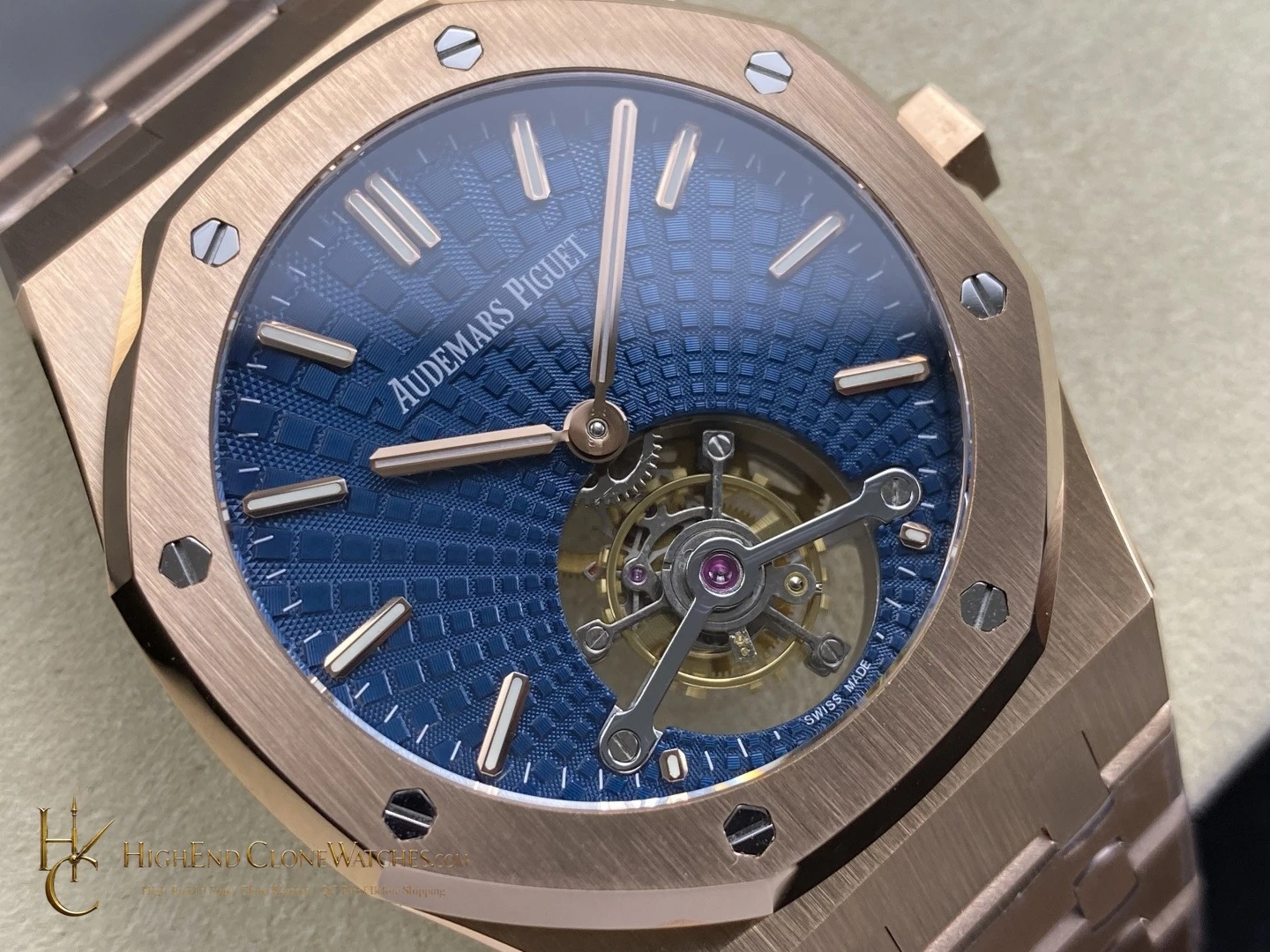
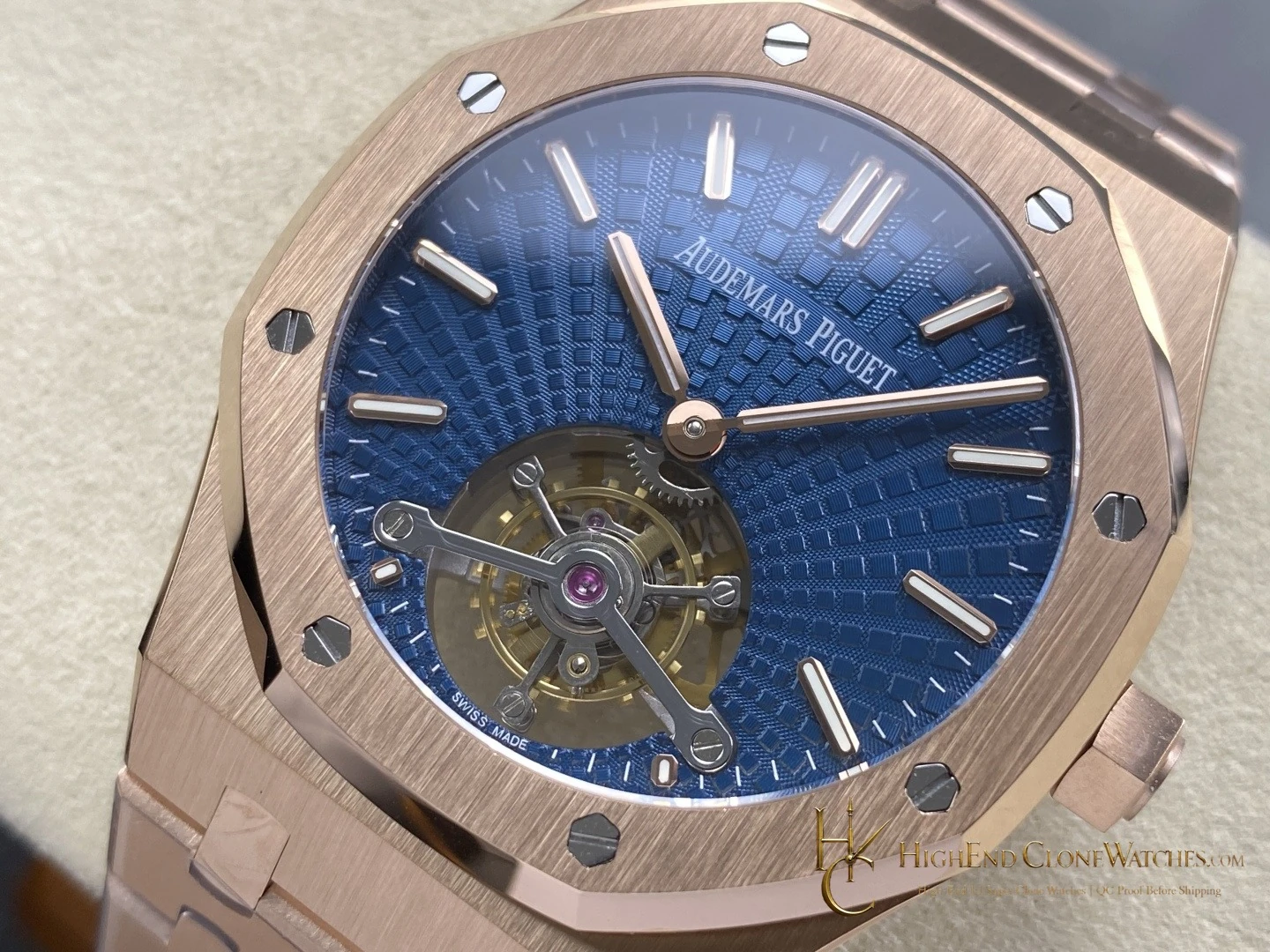
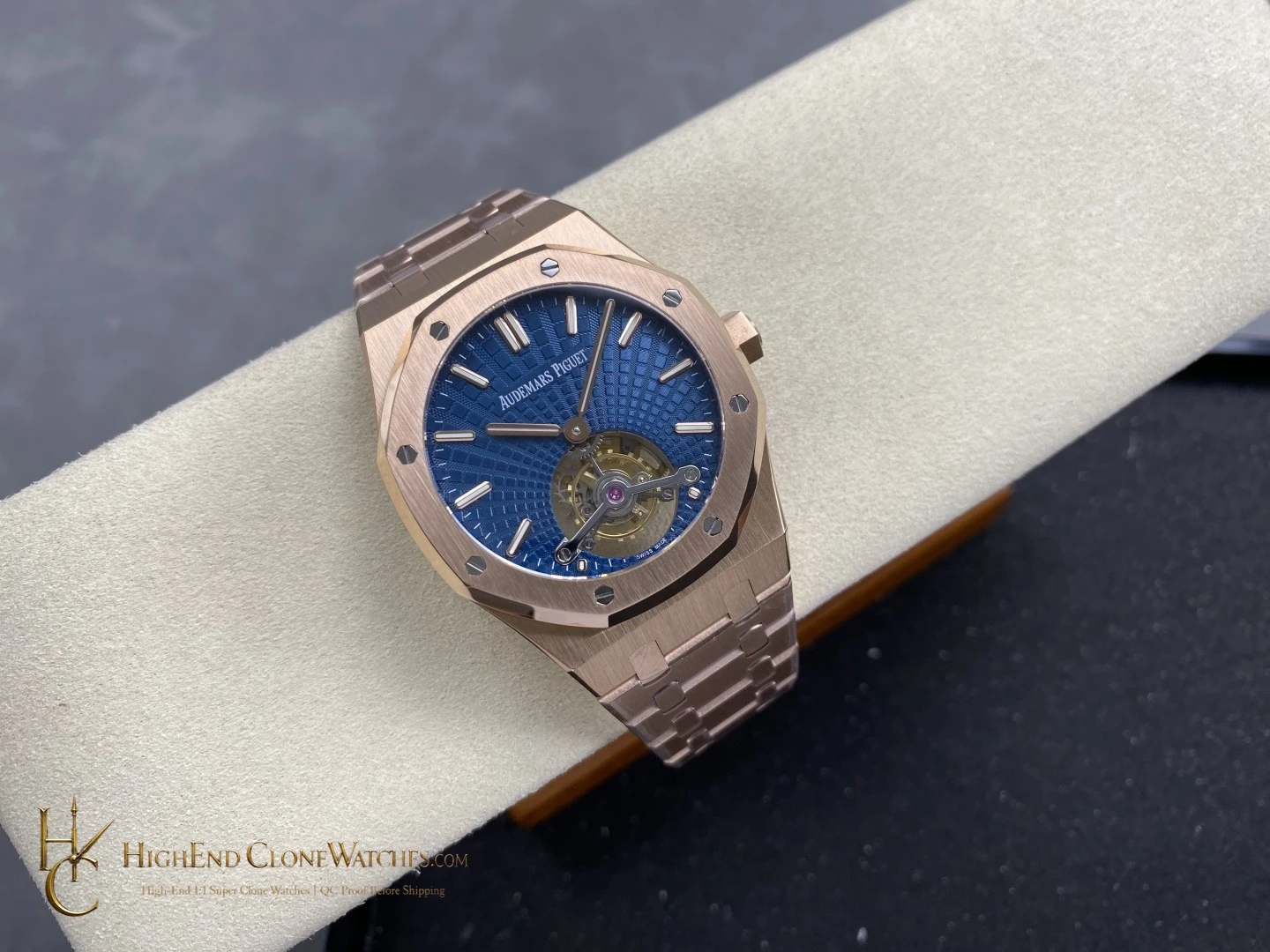
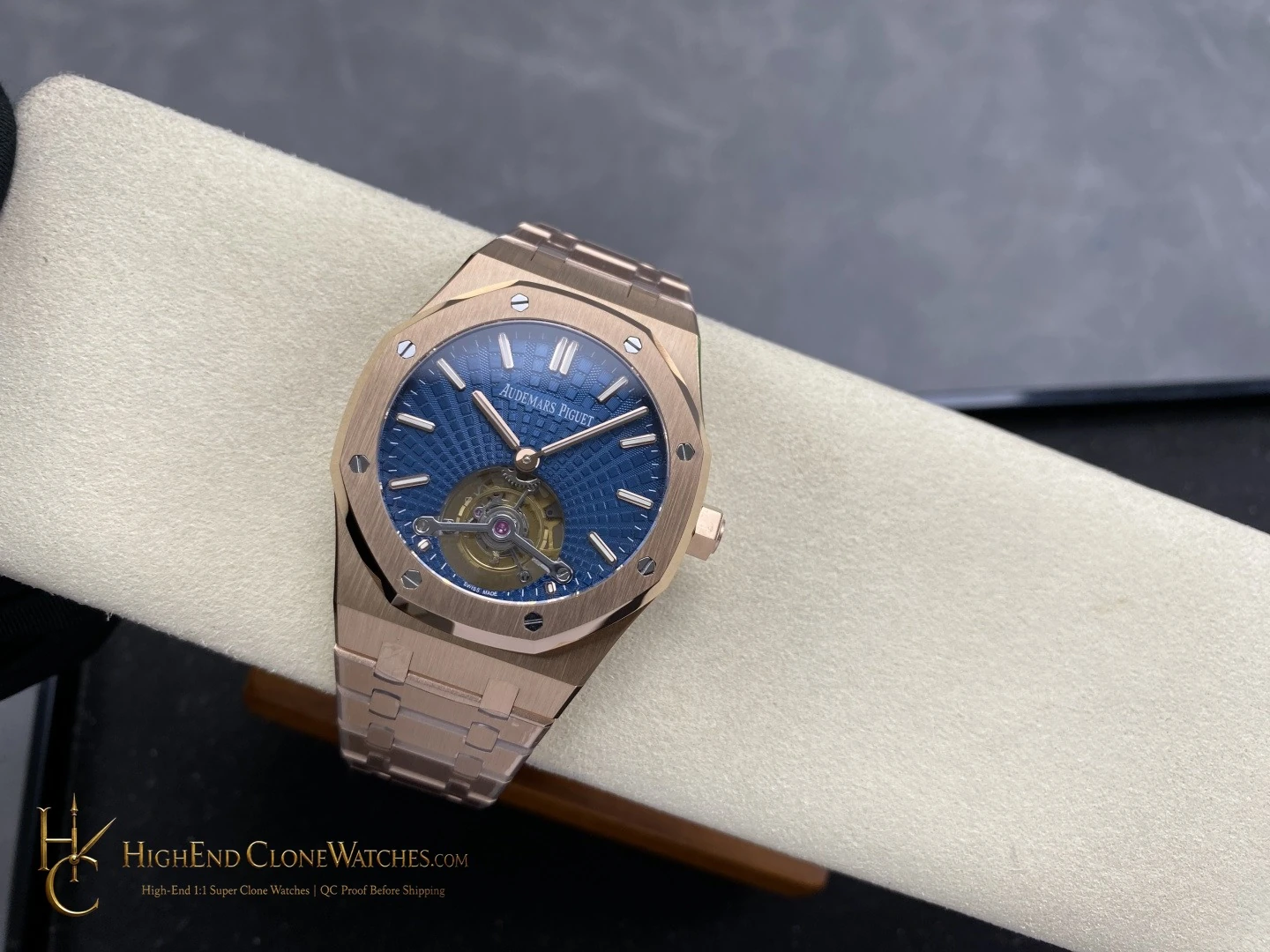
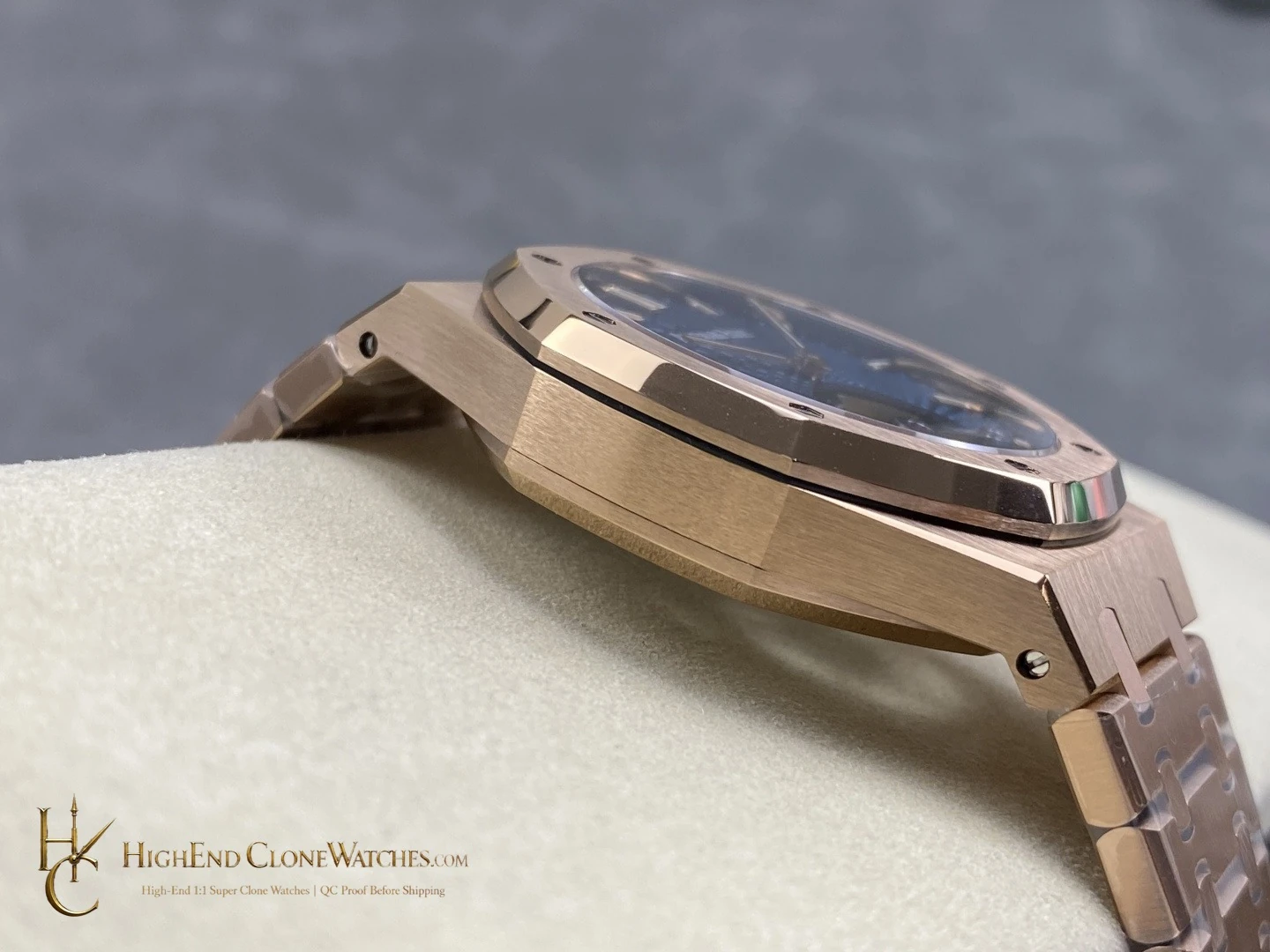
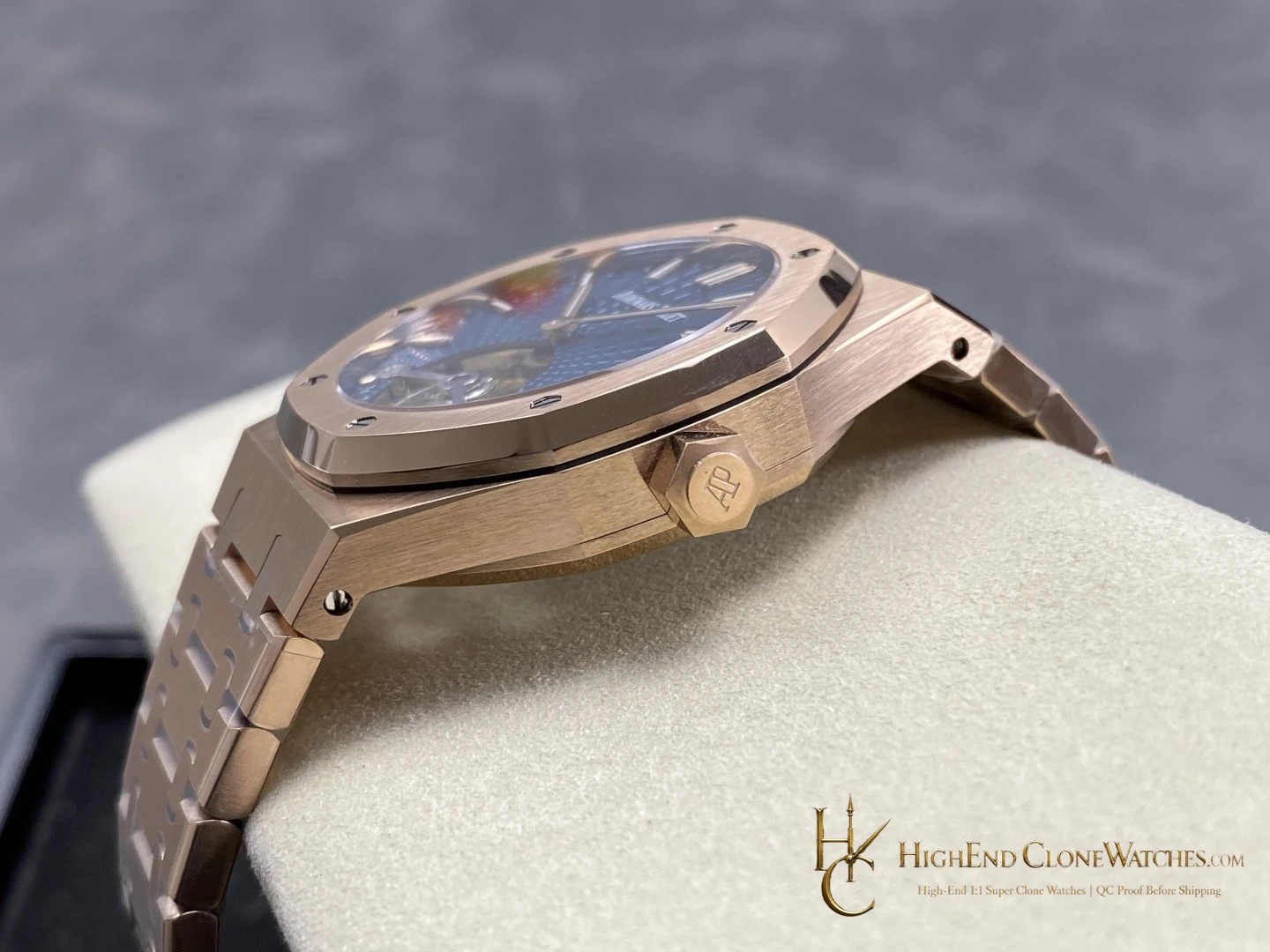
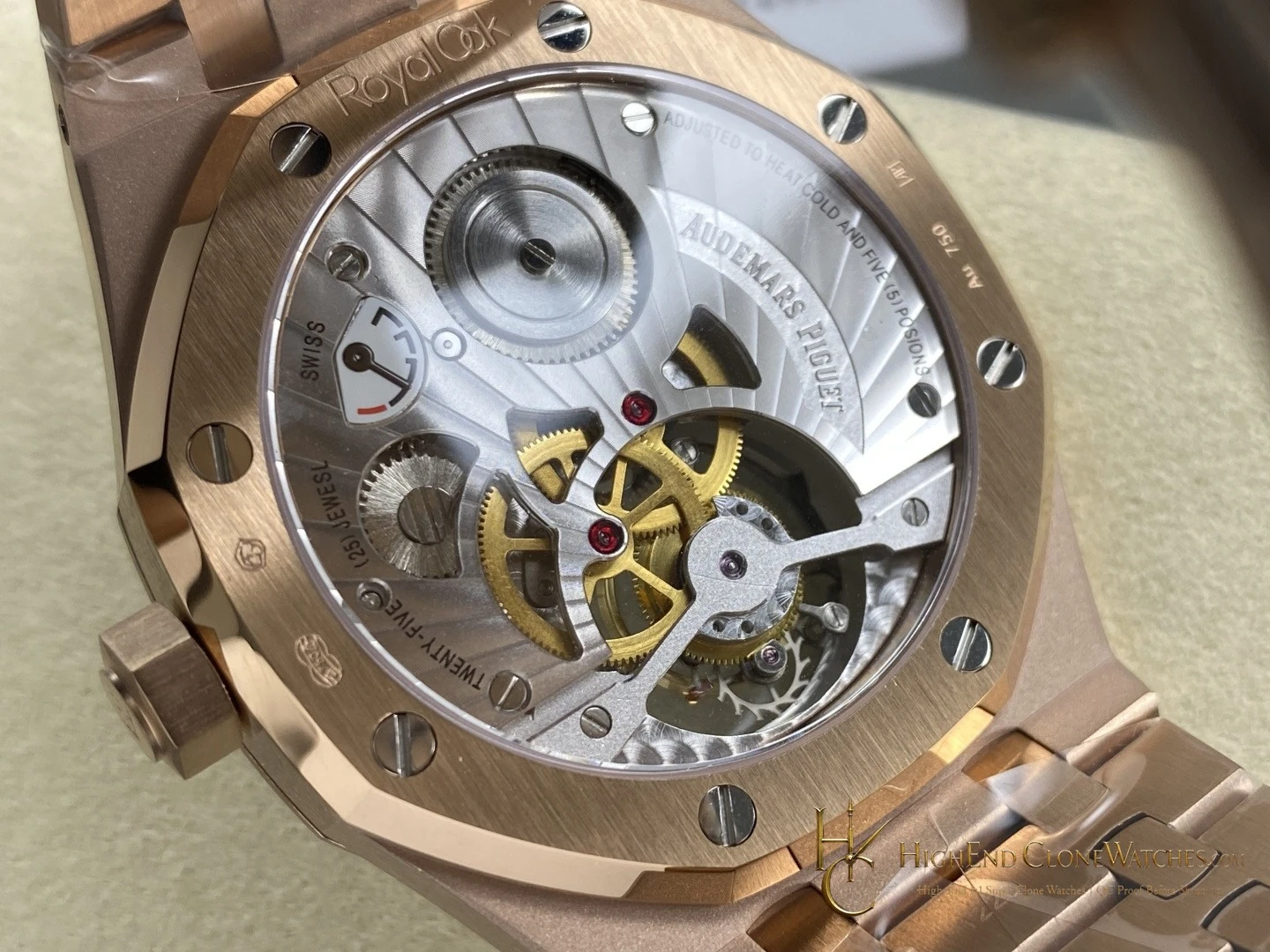
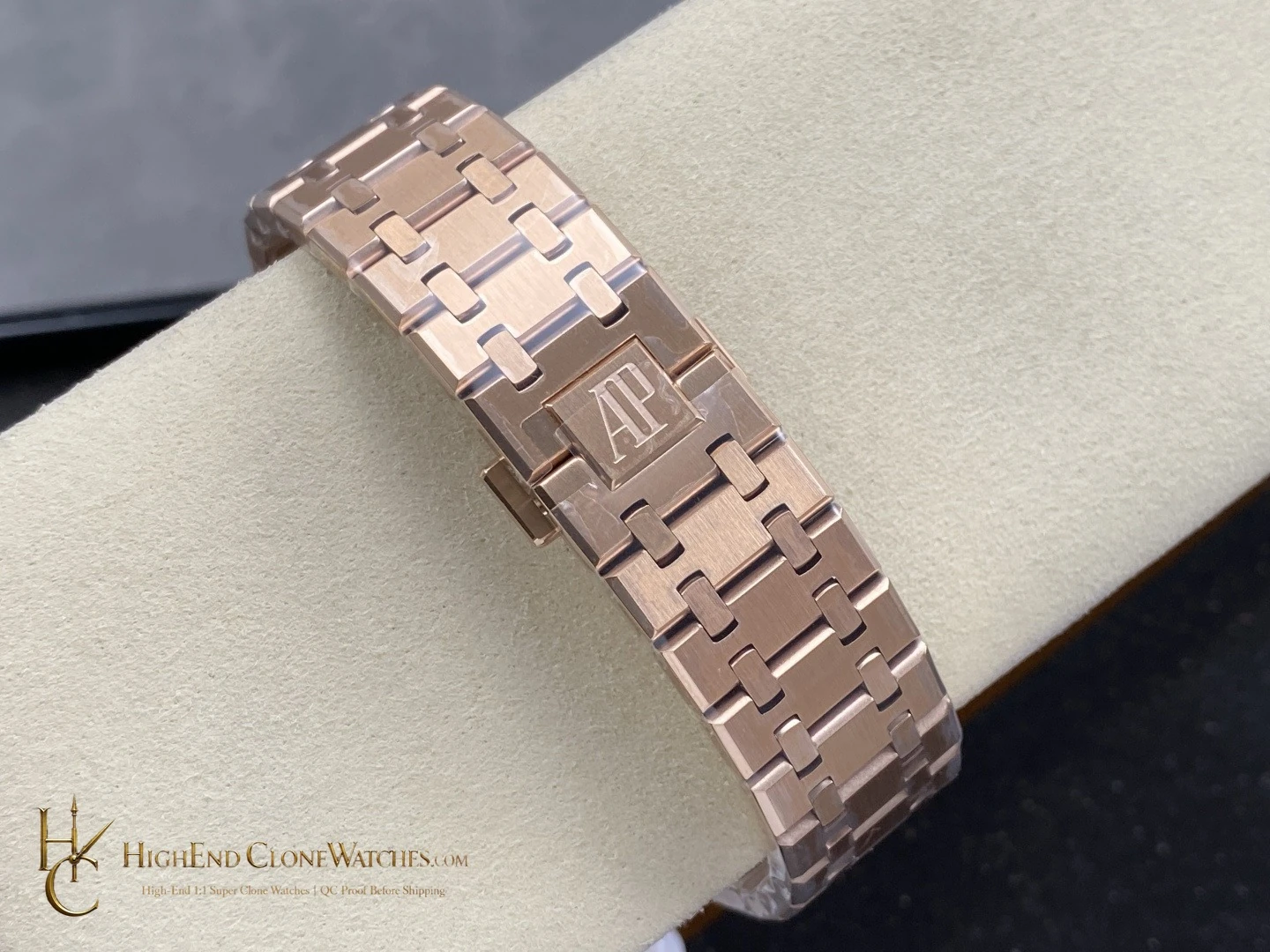
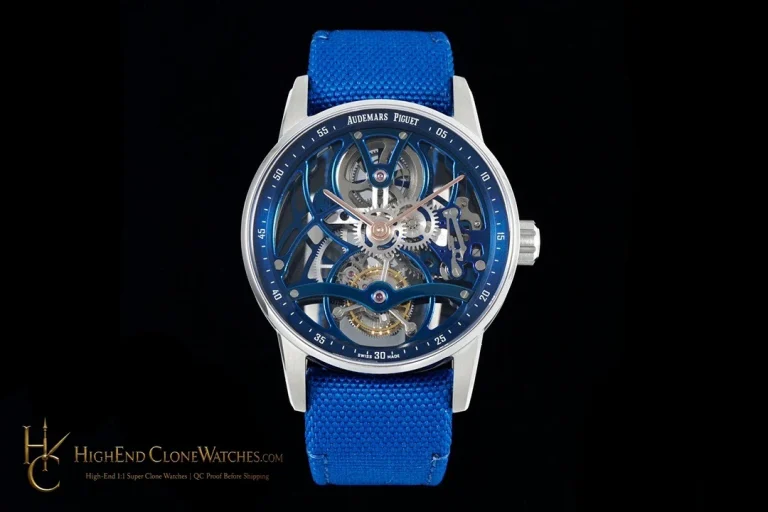
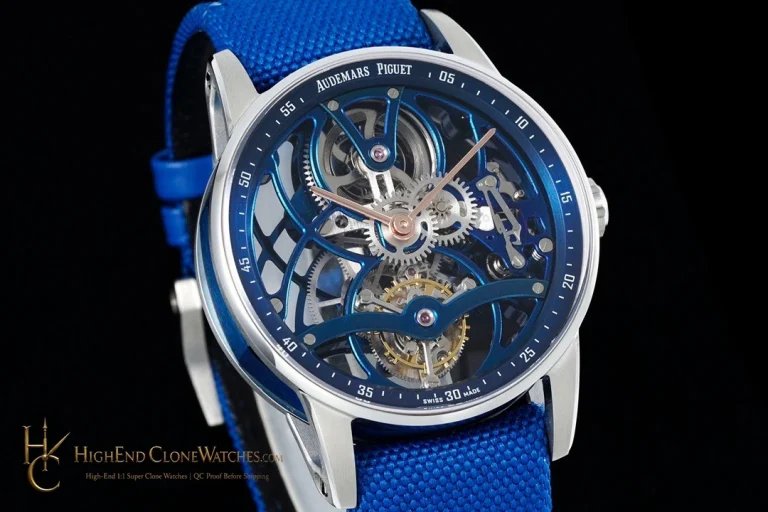
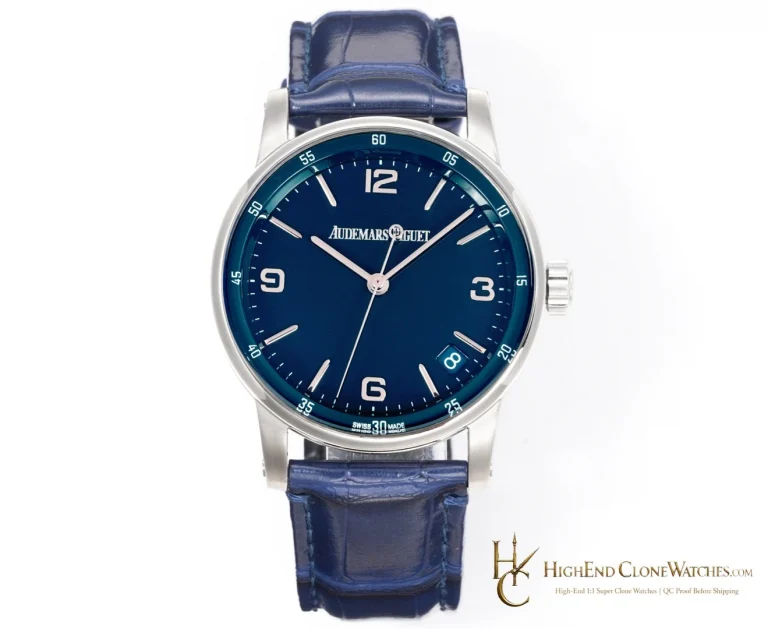
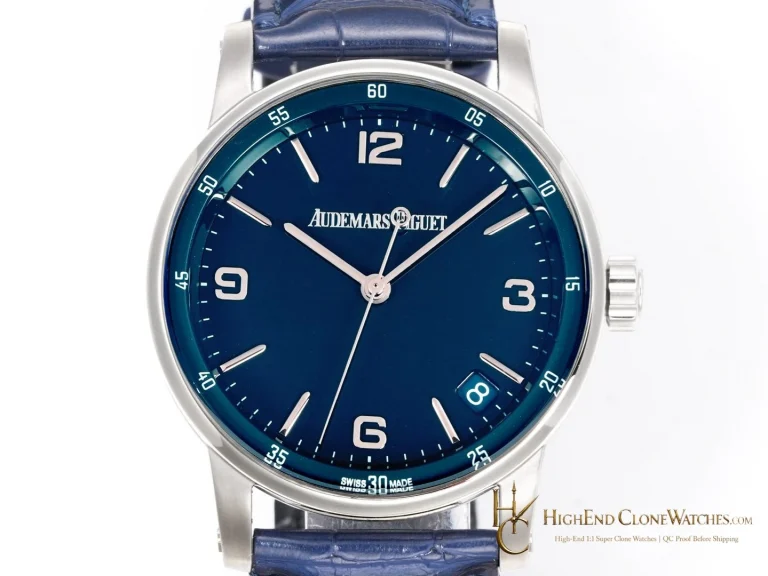
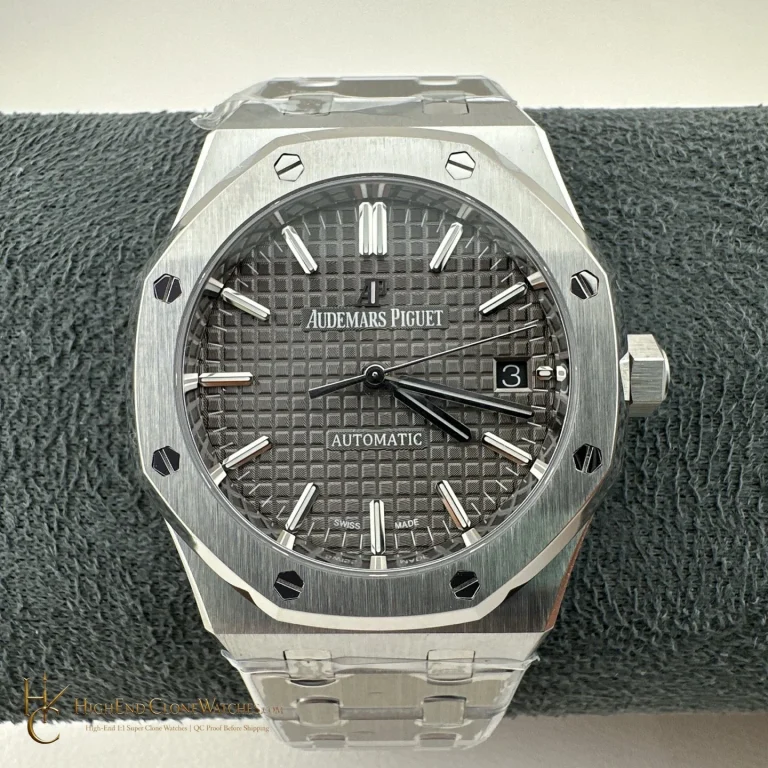
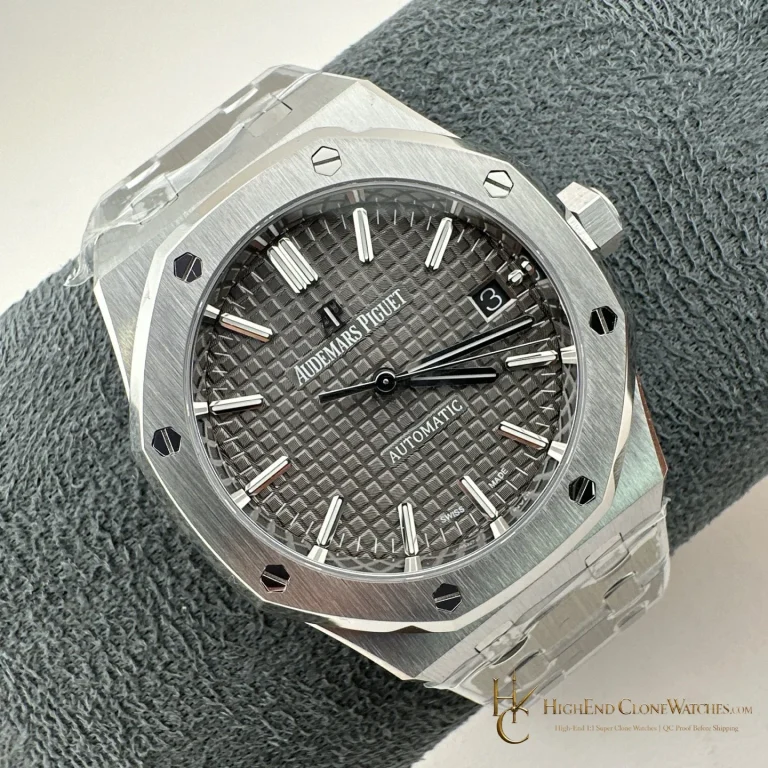
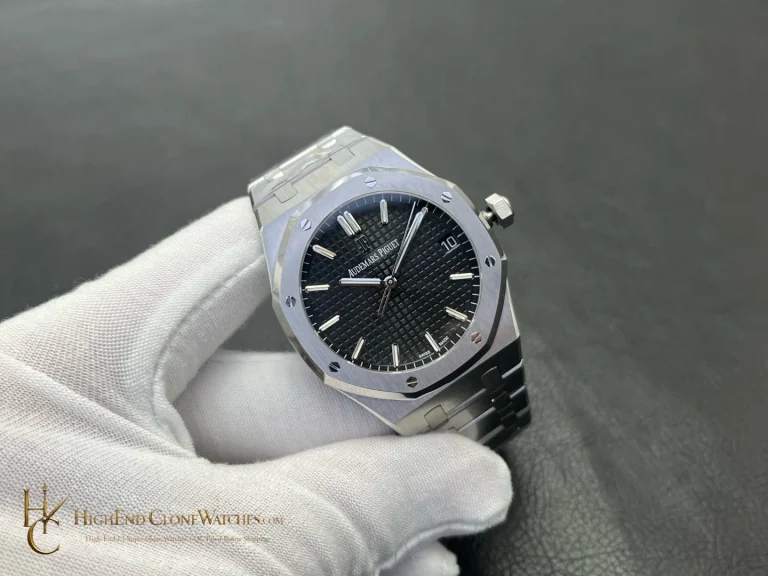
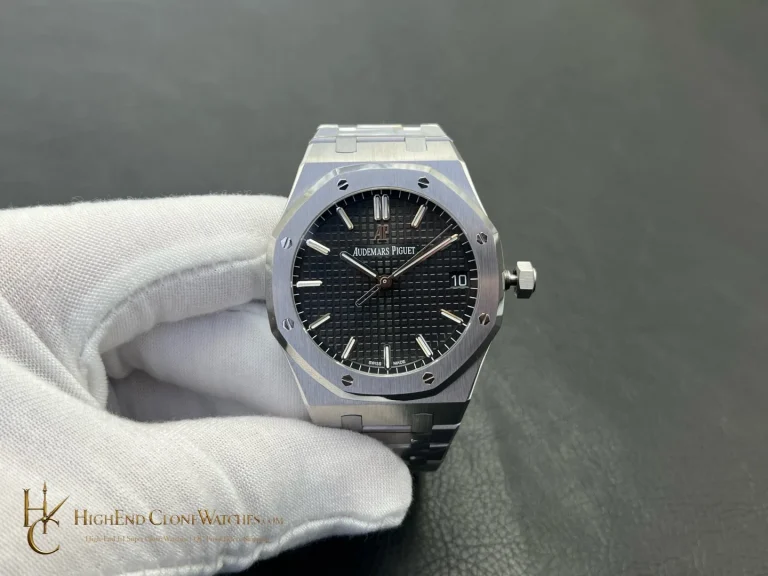
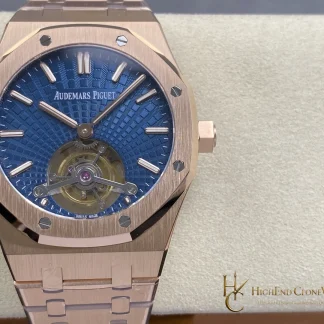
QC should start with a straight-on image of the aperture, markers and hands, followed by angled views that show depth and caseback presentation. The review should confirm bezel screw seating, case finishing, bracelet fit and clasp operation. Hand clearance and movement behaviour deserve particular attention before the watch is approved for dispatch.
An open dial needs more than a striking first impression. The aperture, markers and hands must share a clear centre, and the angled views should show that the case remains coherent around the opening. The integrated bracelet makes the watch feel architectural from the side as well as from the front. Buyers who prefer a calmer dial should choose the chronograph alternative; buyers who want the movement-facing visual cue will find this reference more distinctive.
The caseback and side angles matter because they show whether the open dial is supported by a coherent case profile. That complete view is more useful than a front-only impression. The result should feel intentional from every viewing angle.