
Super-LumiNova Lume: What Buyers Should Actually Check
Lume is not judged by a single bright photograph. The useful questions are whether the hands and markers are filled cleanly, whether the expected bezel point is present, whether the color suits the reference, and whether the strength is realistic for the type of watch.
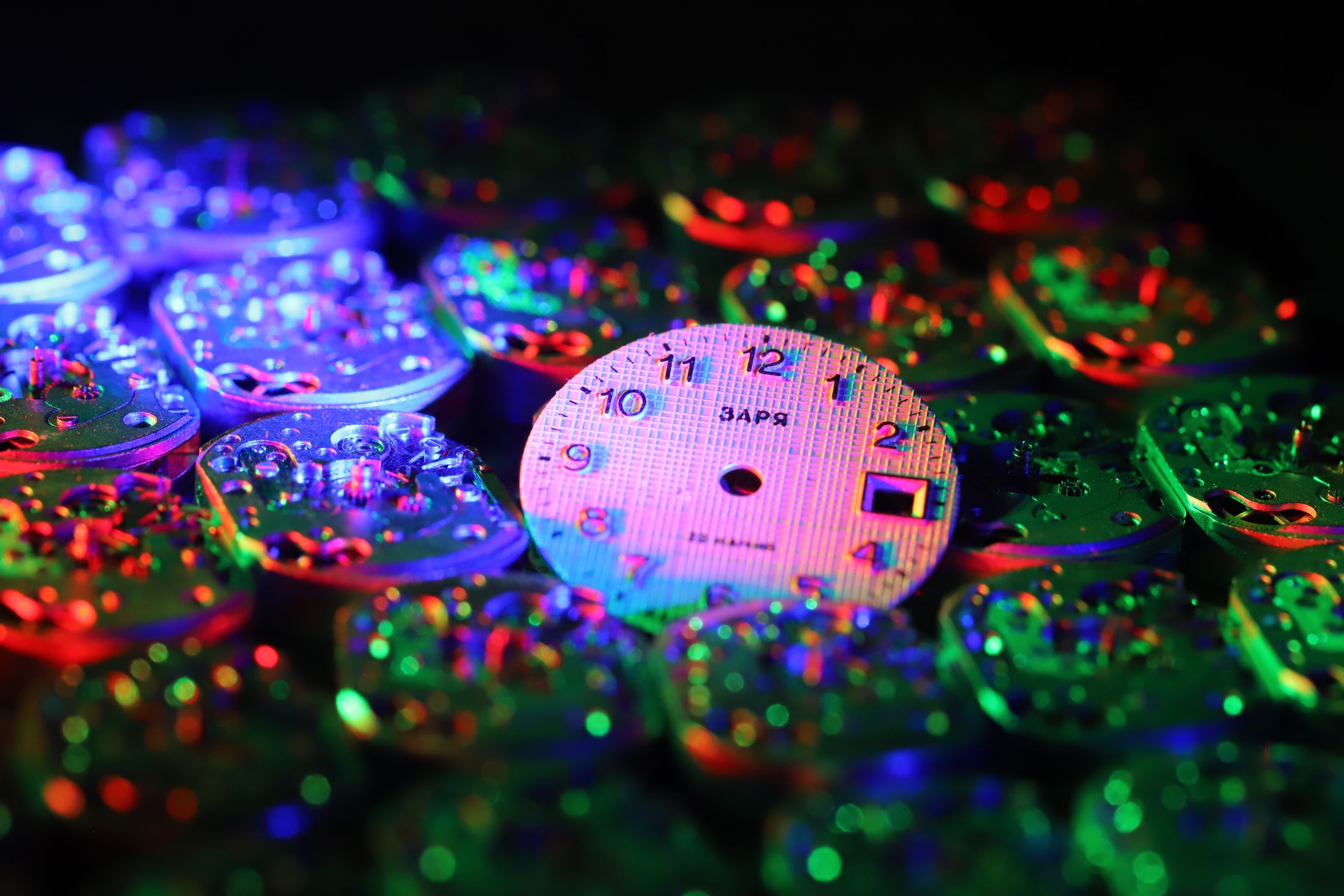
Judge lume by the watch it belongs to.
A diver-style watch may have broad hands, large markers, and a bezel point designed for readable low-light use. A dress watch may use only small accents. Treating those watches as though they should glow the same way leads to bad buying decisions. The closer question is whether the lume has been applied cleanly and behaves credibly for the model.
Brightness is only one part of a useful lume check.
Marker fill
The material should sit neatly inside the marker or hand shape. Ragged edges, uneven fill, and spill beyond the intended line are visible quality problems.
Hand alignment
Hands should remain readable in relation to the markers. A strong glow is less useful if the handset or application looks uneven.
Bezel point
Where the reference uses a lume pearl or bezel marker, check that it is present, centered, and visually consistent with the dial-side lume.
Color direction
Blue-green, green, and warmer vintage-style tones can belong to different designs. The color should suit the reference rather than merely look bright in a dark image.
Fade behavior
All lume becomes dimmer after charging. Expect an even initial glow and a normal fade, not a claim that it remains equally bright through the night.
Ask for a controlled check, not a dramatic dark-room image.
If lume matters, request a photo or short clip after the relevant markers have been charged under a normal light source. The image should make it possible to compare the hands, markers, and bezel point where applicable, while retaining enough context to identify the watch.
Sport and dive models
Ask to see hands, hour markers, and bezel point together if the model uses them. Stronger visibility is part of the appeal, so an uneven result matters.
Chronographs and dress watches
Judge the smaller application fairly. These models may have limited luminous surface and should not be compared directly with a diver dial.
Vintage-style tone
If a warmer lume tone matters to the reference, ask for an image that shows the tone rather than only the raw brightness.
A lume result depends on charge, design, condition, and use.
The brightness a buyer sees will vary with ambient light, charging time, dial design, marker area, and normal aging. A hard impact, moisture issue, or altered dial can also affect the condition. Use QC as a check of the prepared watch, then judge everyday performance realistically.
Charging
A watch needs exposure to light before its lume becomes visible in a darker setting. Do not judge it immediately after it has been kept in darkness.
No unrealistic promise
The guide does not promise a fixed duration or brightness level because the watch design and conditions affect what a buyer sees.
Report a visible arrival issue
If the received watch has a clear application defect compared with the approved configuration, document it promptly with order details and focused evidence.
For a sport watch, even lume can be a meaningful finishing detail. For a dress watch, it should remain a supporting detail.
The buyer should set the expectation from the reference. Large plots and broad hands deserve a more demanding check. Small dress markers deserve a realistic one. In either case, clean application and appropriate color matter more than a heavily edited night photograph.
If lume matters to you, confirm these points.
- Whether the model should have strong or subtle low-light visibility.
- Whether hands, markers, and bezel point are filled and aligned cleanly.
- Whether the color direction suits the reference style.
- Whether you understand that brightness fades normally after charging.