
How We QC Super Clone Watches Before Shipping
QC is where product photos stop being an abstract promise. The review should identify the prepared watch, confirm its visible configuration, and give the buyer a chance to raise a question before packing begins.
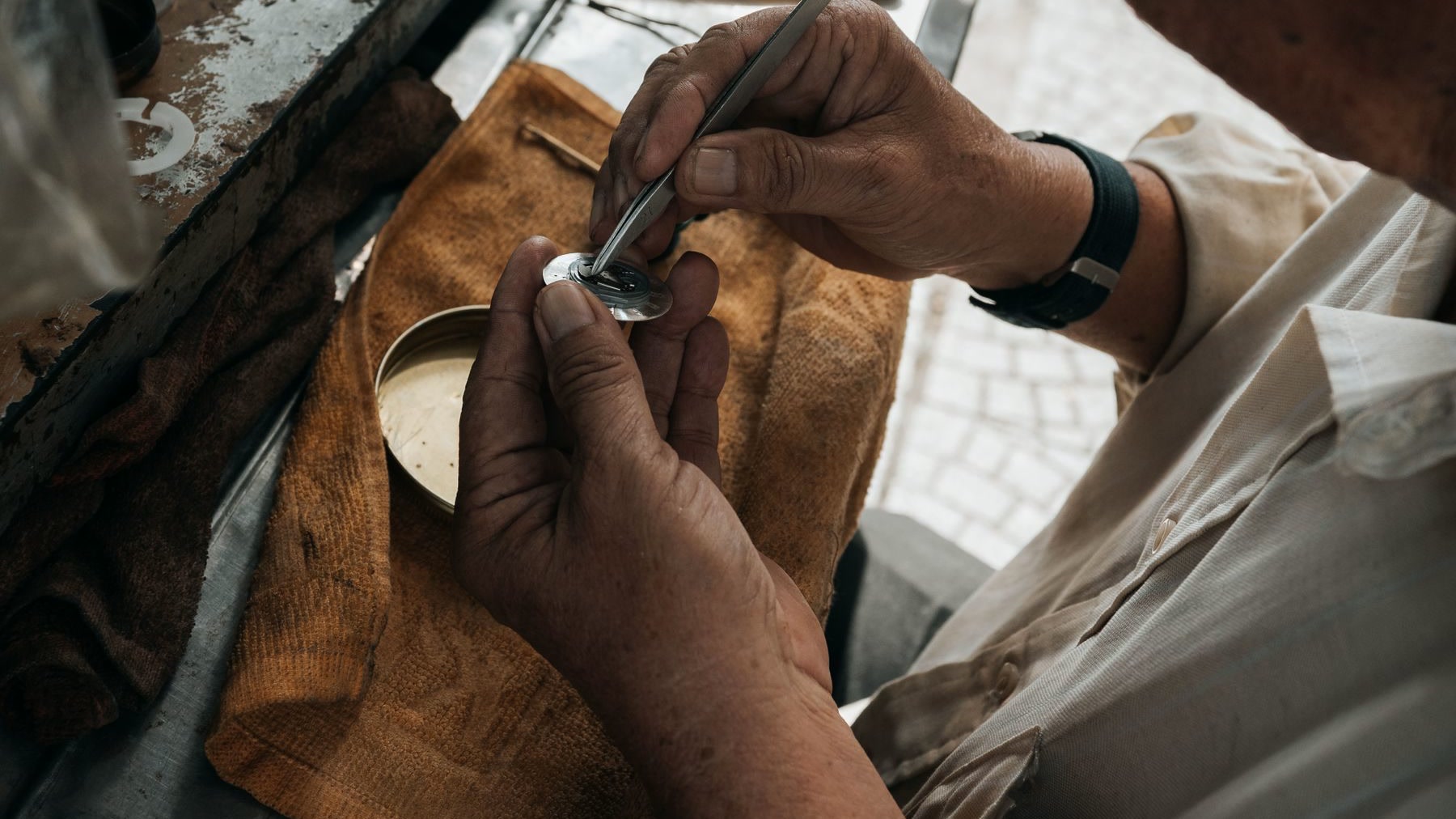
QC begins with the order that was actually placed
Before looking at finishing, the prepared watch must match the agreed configuration. That means checking the reference family, dial color, bracelet or strap, visible case material expression, bezel type, movement direction where relevant, and any agreed packaging or custom work. Similar references can differ in ways that matter once the watch reaches the wrist.
This first step avoids a basic but expensive mistake: reviewing a well-finished watch that is not the watch the buyer intended to order. Configuration comes before cosmetics.
Visible details deserve close inspection
We review the parts a buyer is most likely to notice in hand or in close photos. Depending on the model, this includes dial printing, marker alignment, hand placement, date position, crystal clarity, bezel alignment, crown seating, lug shape, brushing, polishing, bracelet articulation, end-link fit, clasp action, and strap condition.
The checks are not identical for every family. A chronograph needs attention around the pushers, sub-dials, and reset position. A GMT needs a clear explanation of the extra hand and date behavior. A dress watch places more weight on dial cleanliness, case proportion, and leather strap finish. A diver-style watch needs a careful look at bezel position, crown guards, and the bracelet-to-case transition.
Function is checked in the context of the model
Basic handling checks can include winding, setting the time, crown positions, date or calendar behavior, clasp closure, and model-specific functions such as chronograph start, stop, and reset. These checks show how the prepared watch behaves before packing. They are not a guarantee that a mechanical watch will never need service, nor a substitute for careful ownership.
Water exposure requires separate caution. A visible review of the crown, crystal, and caseback does not create a blanket waterproof promise. Buyers who expect regular water use should discuss a pressure test before dispatch and still treat hot water, steam, swimming, diving, and impact as risks.
QC proof should help the buyer make a decision
Photos or video should show the prepared piece clearly enough to answer the questions that matter for the order. The goal is not to create a long gallery for its own sake. It is to establish that the visible configuration, finishing, and relevant functions have been checked before the parcel leaves.
If something needs clarification, it is better to raise it while the order is in preparation. Once a parcel has entered the carrier system, changes become harder and slower. QC gives both sides a clear point of reference before dispatch.
Packing follows the review
After the visible condition and basic checks are accepted, the watch is prepared for the selected shipping route. Tracking follows carrier acceptance, and updates can lag while a parcel moves between route stages. Keep order questions tied to the official support conversation so the model, QC, packing, and tracking information remain connected.
Before requesting QC photos, read our guide to judging a serious super clone watch and decide which visible detail could change the order.
When a short video would settle the question, use the buyer video review guide to decide which angle or action to request.
After delivery, use the packing proof and delivery check guide before raising a support question.