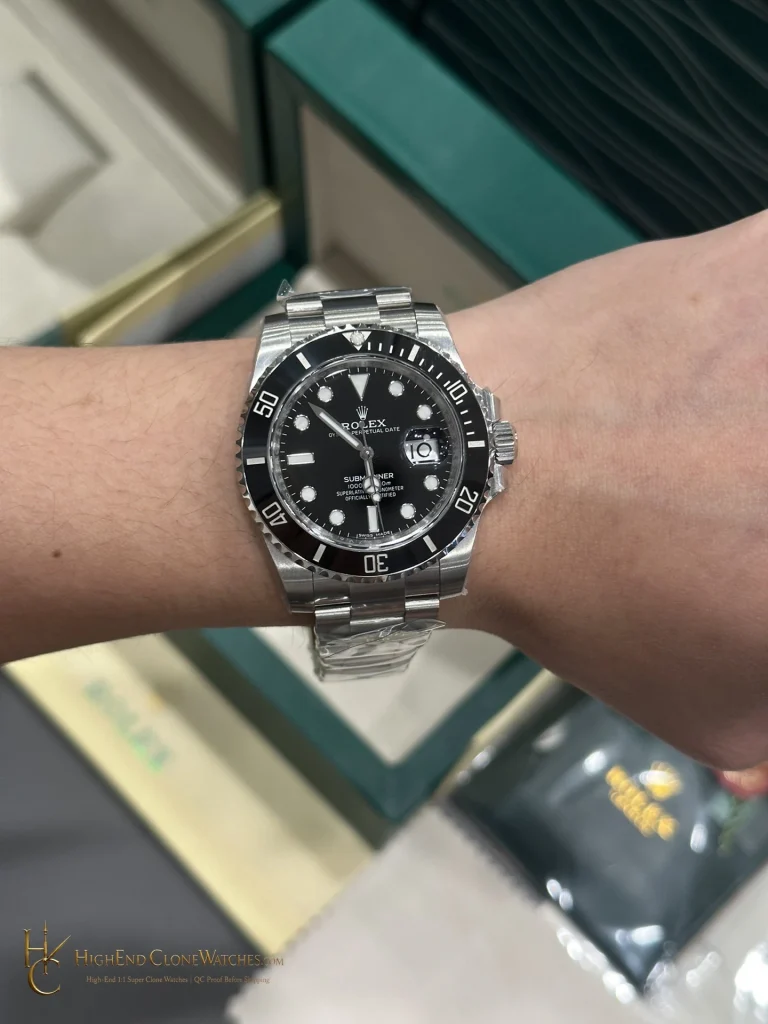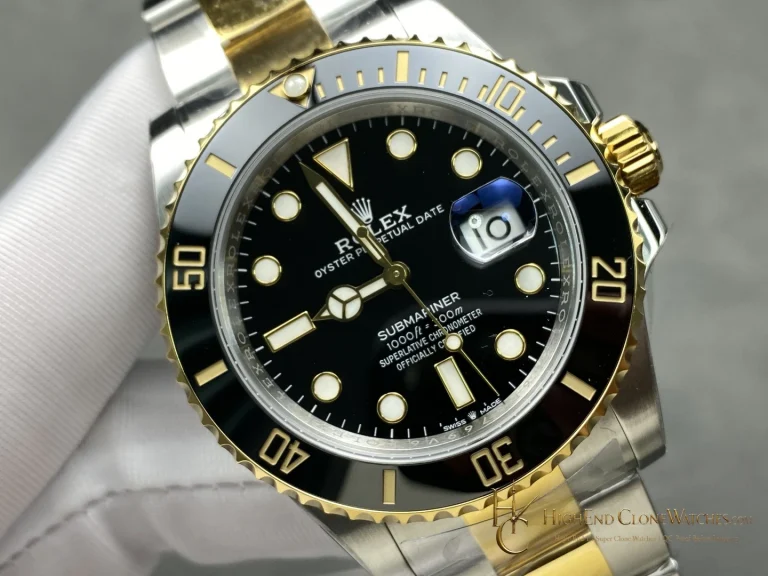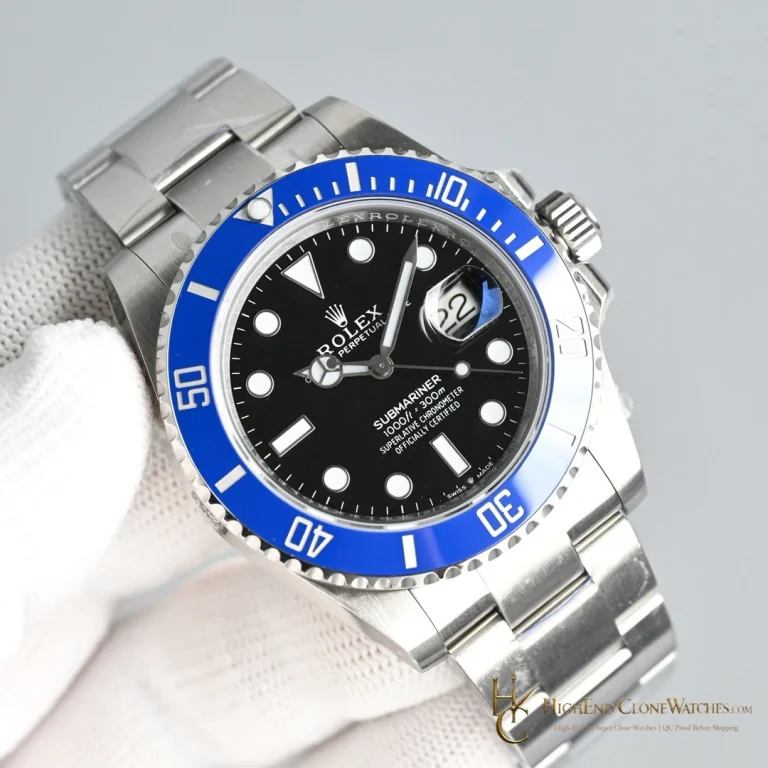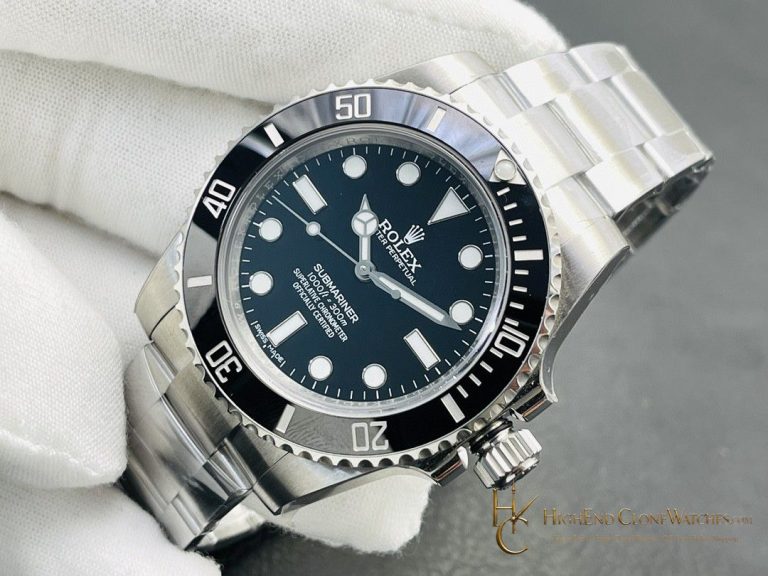
In-Stock Super Clone Watches
This page is for buyers who already know the reference they want, or are down to a short list. Ready stock saves time, but speed is only useful when the exact watch is worth taking. We look at the prepared piece, its visible configuration, and the model-specific details before it leaves.
Read how ready stock works
The point of buying from current stock
A prepared watch removes the waiting period that normally comes with sourcing a specific batch. The better use of that time is not urgency. It is a cleaner read on the piece itself. Dial, bezel, case shape, bracelet or strap, clasp, crystal, crown action, and date layout can all be checked before dispatch, while the watch is still in front of us rather than in transit.
That is what this section is for. The listing should tell you whether the piece has the right front view, the right side profile, and the right weak-point control for the reference. If it does not, the watch is not ready in the sense that matters.
How a serious buyer should read the listing
Start with the reference, then look at the parts that stay visible on wrist. On a Rolex sports model, bezel line, crown guards, dial spacing, hand stack, bracelet taper, and clasp finish usually tell more than a long feature list. On a Daytona, the subdial distance, pusher shape, tachymeter print, and case flank have to work together. On a Datejust or Day-Date, smaller things decide the watch: marker alignment, date window balance, fluted bezel cut, crystal height, and the tone of the metal.
Other brands need a different eye. A Royal Oak depends on tapisserie depth, screw alignment, case brushing, polished bevels, and bracelet flow. A Nautilus or Aquanaut needs the case edge, dial texture, and integrated strap or bracelet to sit together naturally. A Cartier dress watch should stay thin, clean, and controlled. Too much thickness or careless dial print breaks the point of the design at once.
What actually decides it
- The exact reference should match the piece in hand, not just the model family.
- Visible weak points change from model to model, so the same check does not fit every watch.
- QC proof should settle the last question before shipping, not create one.
- If two watches look close, the safer choice is the one with cleaner dial print, better bezel alignment, and a stronger case shape.
- Gold-tone and gem-set pieces need extra care around plating tone, stone setting, clasp finish, and how the surfaces behave outside studio lighting.
How QC is used here
QC is not decoration. It is the buyer's final check on the parts that matter after the photos: dial print, hand alignment, date position, bezel seating, crystal fit, clasp finish, crown action, bracelet articulation, and the balance of the watch under ordinary light.
If the watch has a more complex layout, we check the reading logic as well. A GMT or dual time model needs the extra hand and scale to make sense. A calendar watch needs the date, day, month, moonphase, or subdial positions to stay readable. A skeleton or tourbillon-style piece needs the open dial to hold depth without turning busy.
How we handle close calls
If two versions are close, send both links. We will point to the cleaner one and explain why. Sometimes that answer sits in the dial. Sometimes it is the case profile, the bracelet, the movement layout, or the way the bezel sits against the crystal.
This is where the comparison should end. Pick the watch that reads cleaner in the parts that stay visible after the first glance, not the one that looks closest in a title line. If a specific batch, strap, clasp, dial color, or movement version matters to you, keep it in the order conversation. The watch you approve in QC should be the watch that ships.
Send two or three links if you are comparing versions. We will tell you which one is the cleaner buy.
-
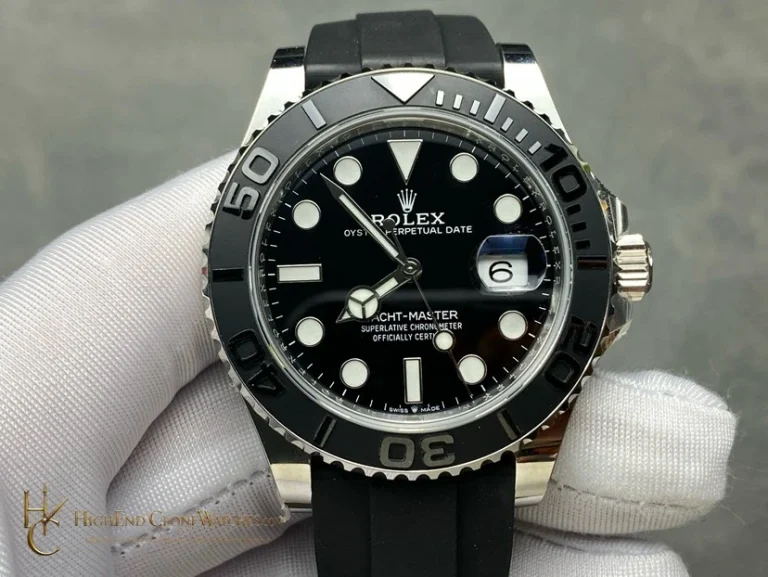
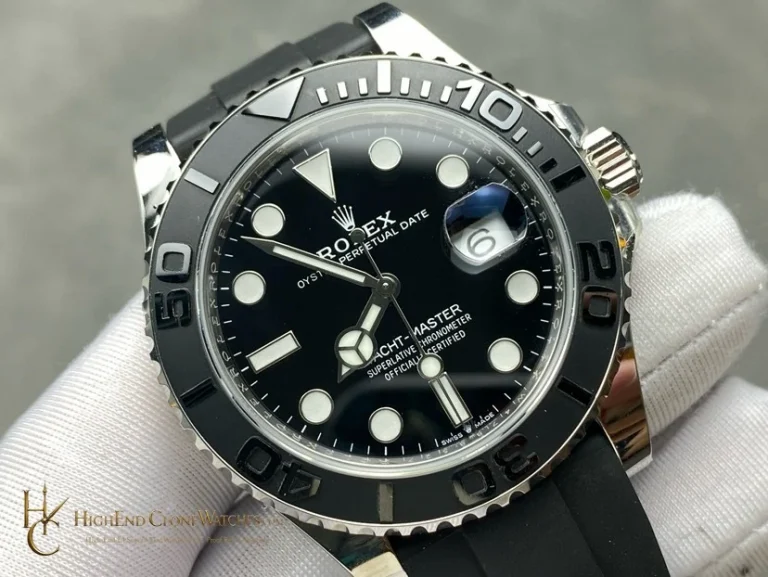
Rolex Yacht-Master 42 226659 Black Oysterflex-Style Strap
Sale! Original price was: $1,280.00.$980.00Current price is: $980.00. Add to cart -
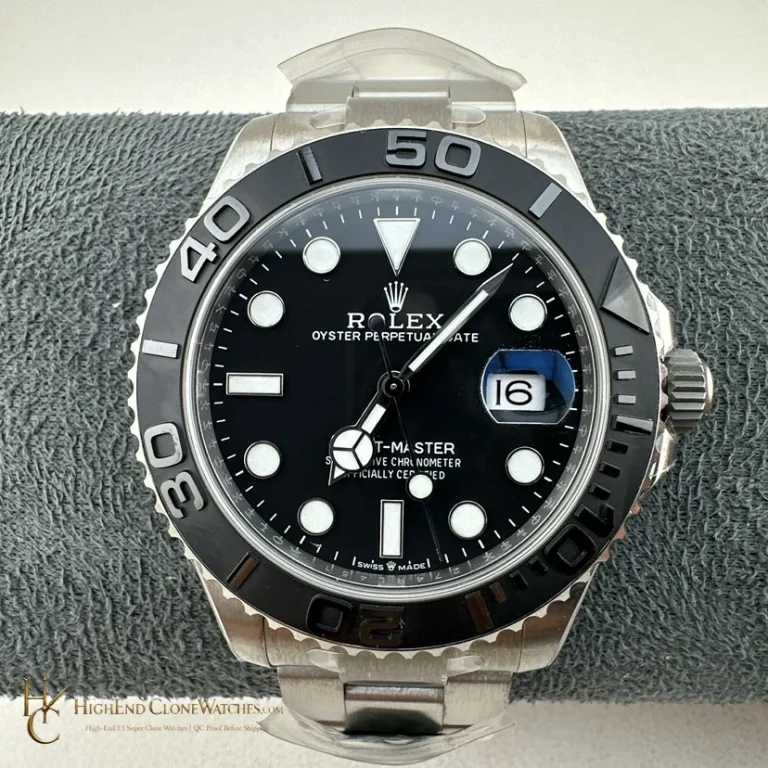
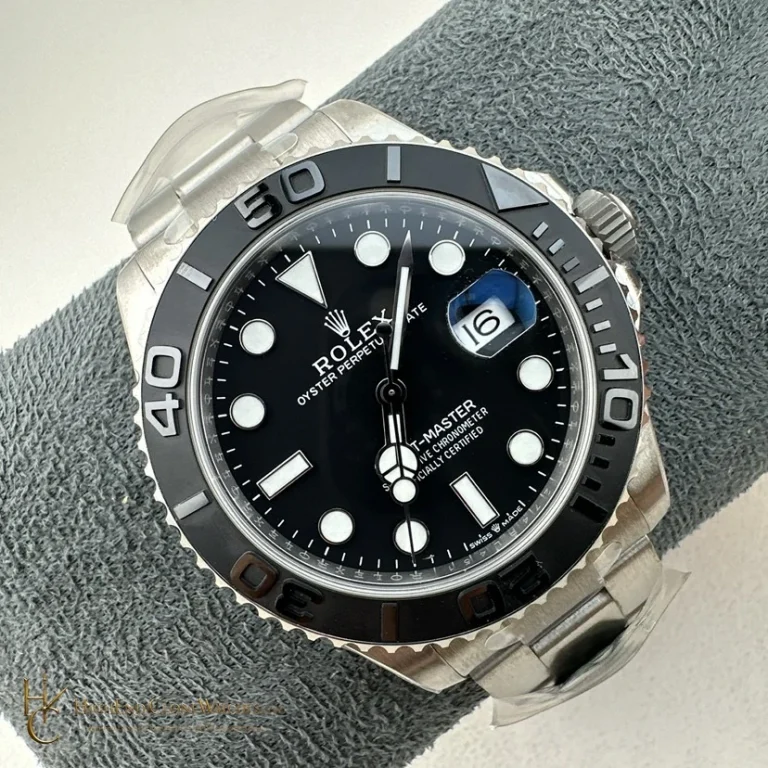
Rolex Yacht-Master 42 226627 Titanium Black Dial
Sale! Original price was: $1,200.00.$980.00Current price is: $980.00. Add to cart -
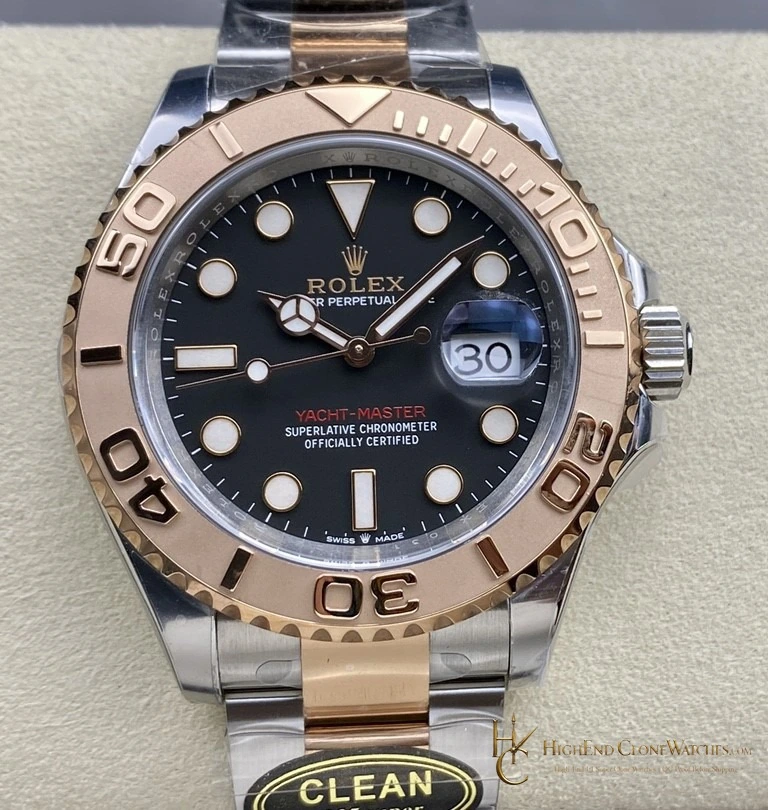
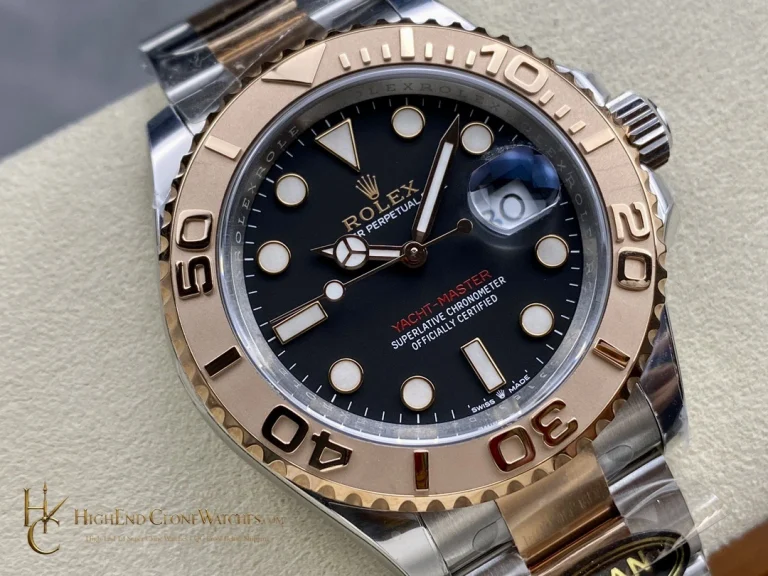
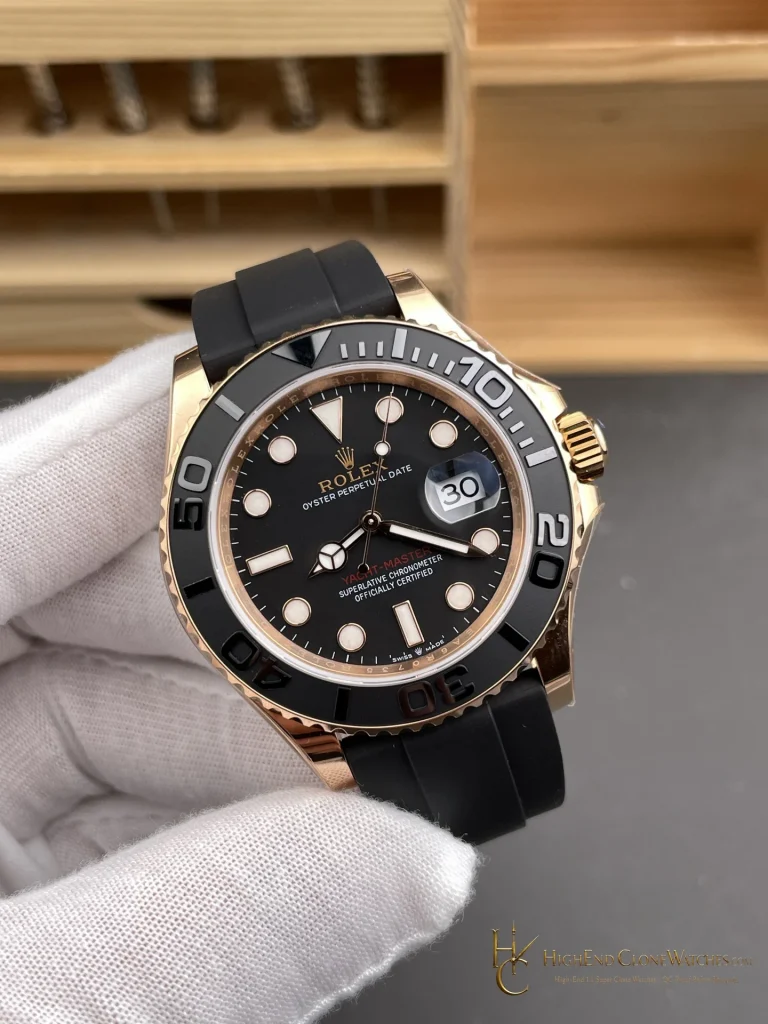
Rolex Yacht-Master M126621-0002 Rose Gold Black Dial
Sale! Original price was: $950.00.$790.00Current price is: $790.00. Add to cart -
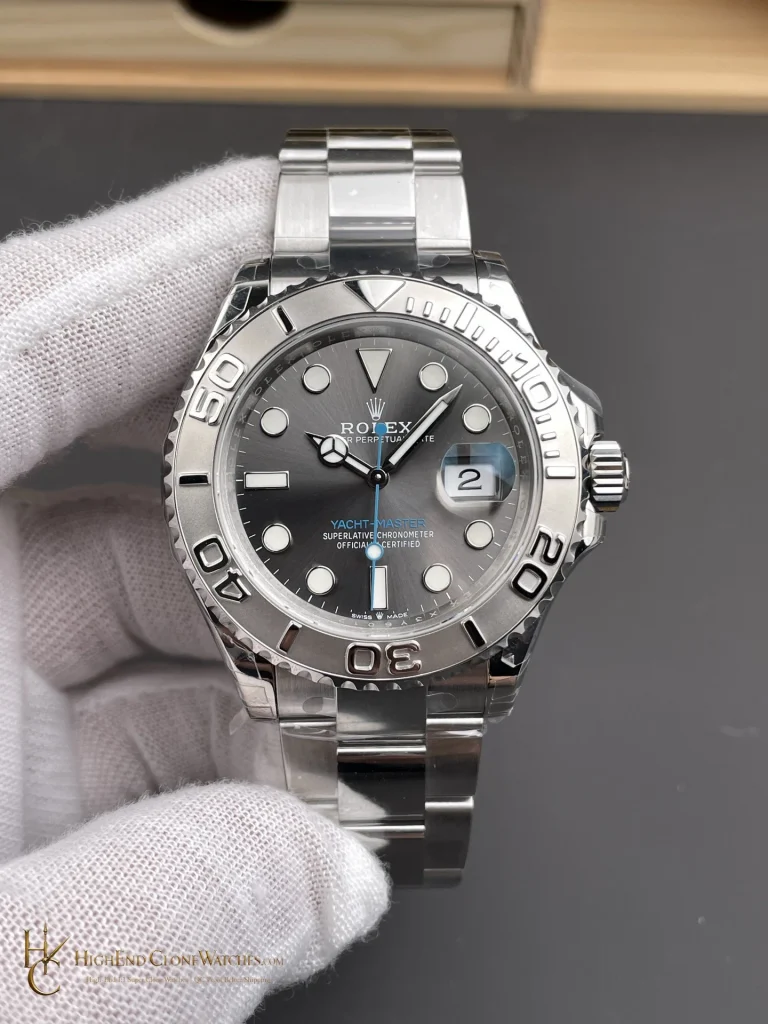
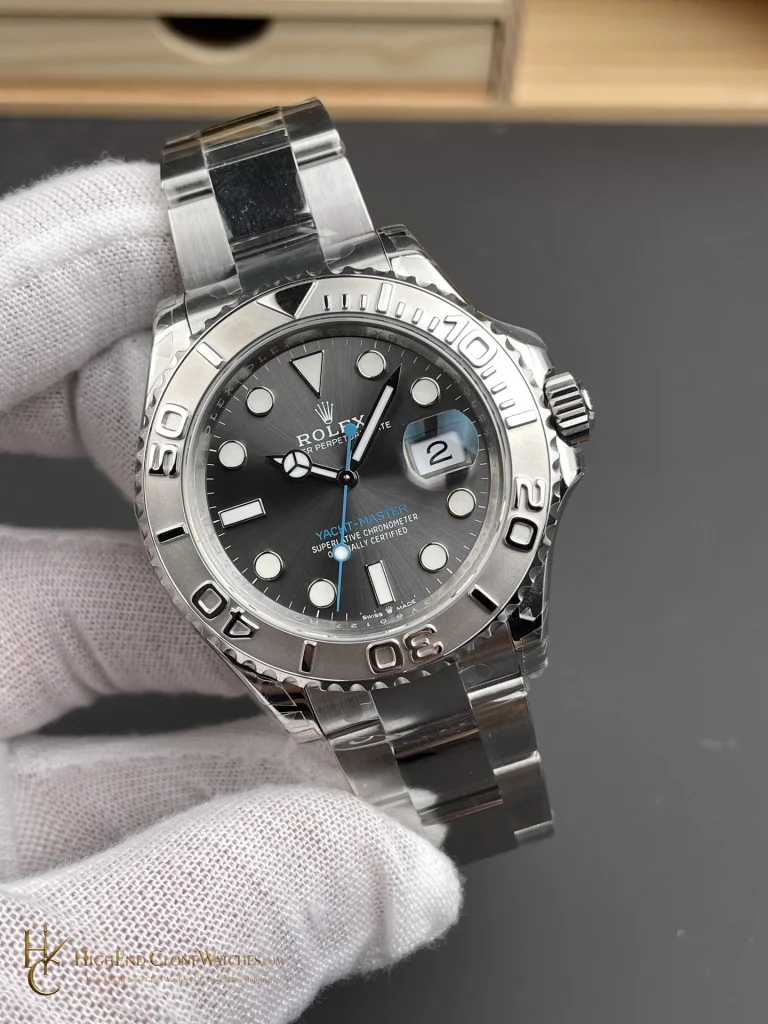
Rolex Yacht-Master Rhodium White Dial M126622-0001 3235 Movement Super Clone Watch
Sale! Original price was: $950.00.$790.00Current price is: $790.00. Add to cart -
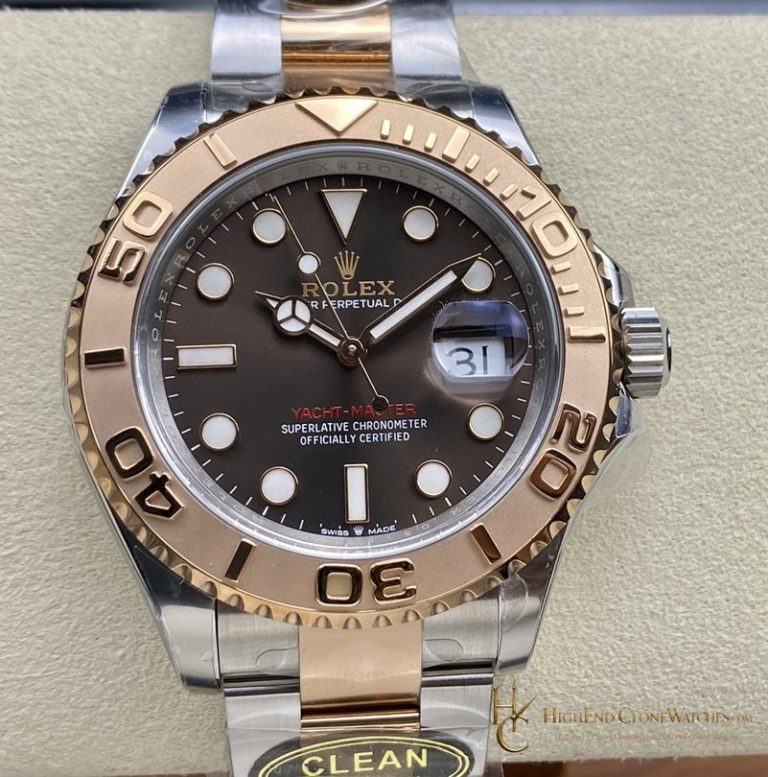
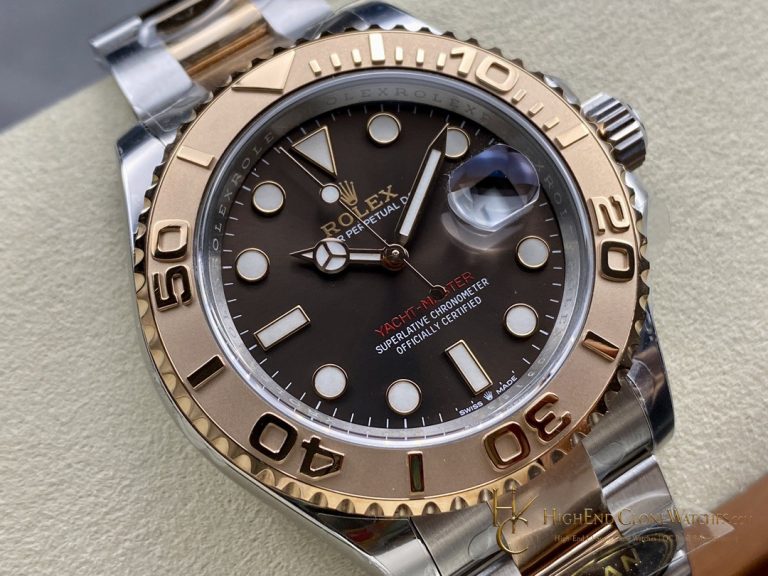
Rolex Yacht-Master 126621 Chocolate Brown Sunburst Dial
Sale! Original price was: $950.00.$790.00Current price is: $790.00. Add to cart -
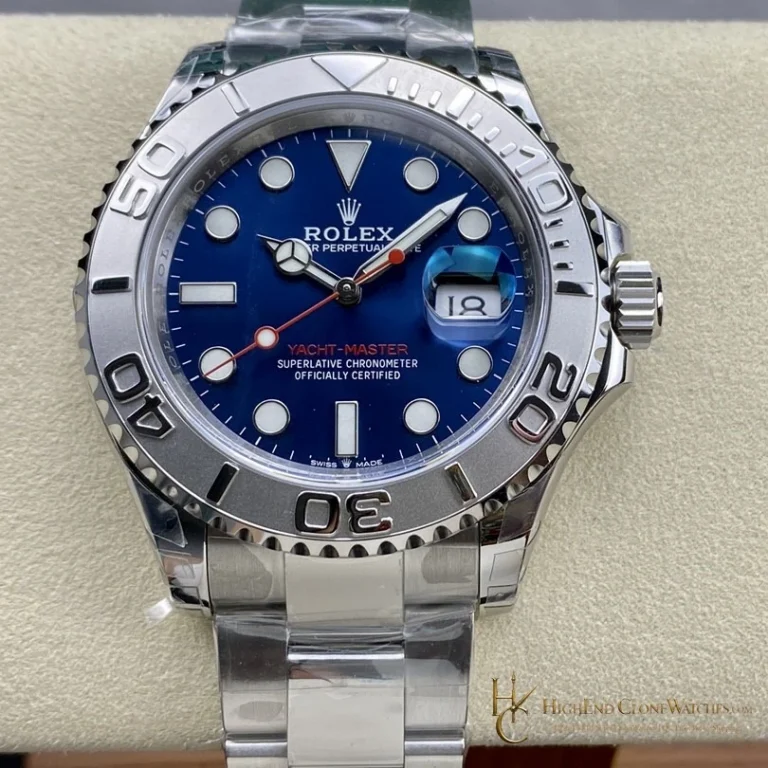
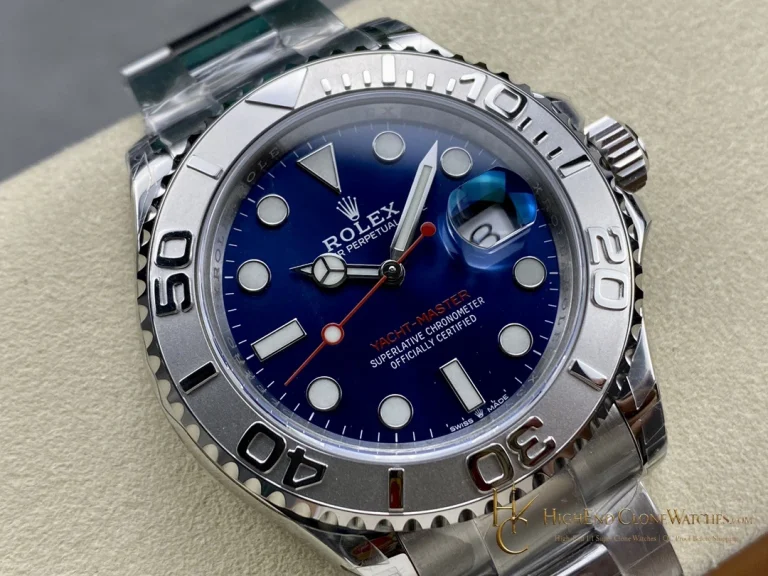
Rolex Yacht-Master 126622 Blue Dial Oyster Bracelet
Sale! Original price was: $950.00.$790.00Current price is: $790.00. Add to cart -
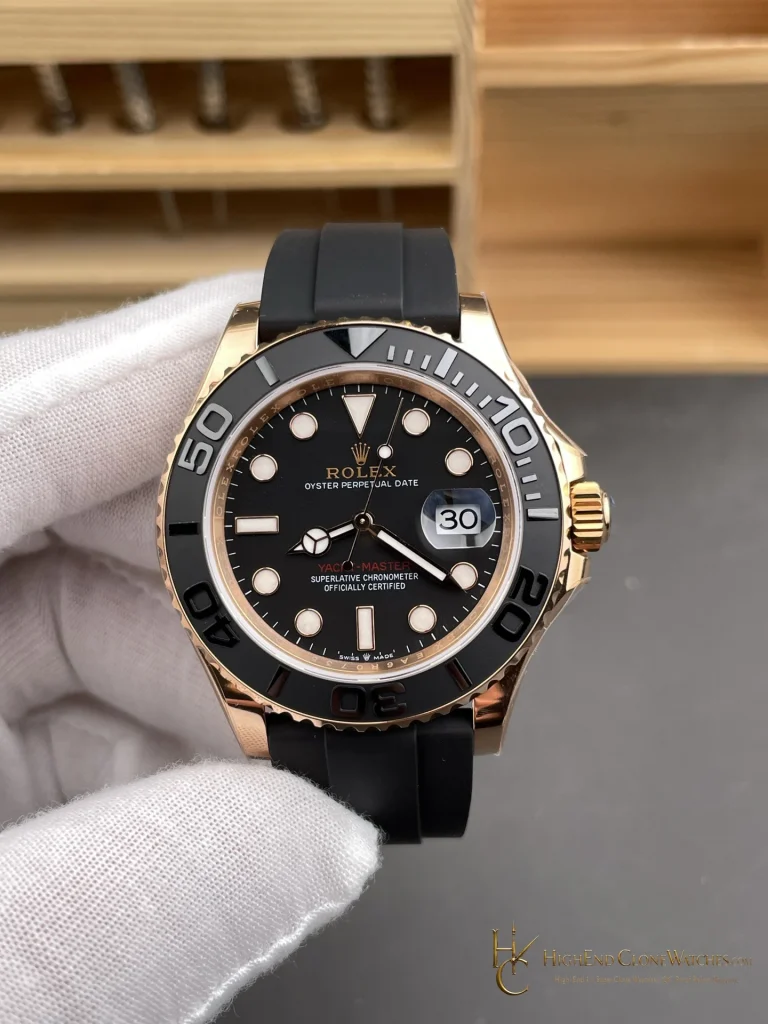
Rolex Yacht-Master 126655 Rose Gold Black Dial Oysterflex
Sale! Original price was: $1,450.00.$1,150.00Current price is: $1,150.00. Add to cart -
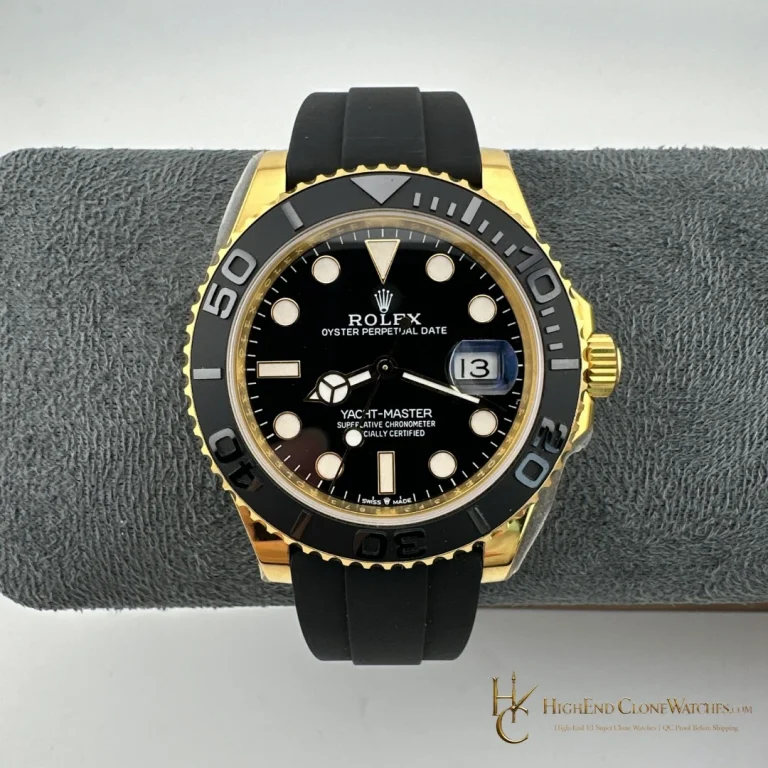
Rolex Yacht-Master 42 Ref. 226658 Black Dial Oysterflex Super Clone Watch
Sale! Original price was: $1,450.00.$1,150.00Current price is: $1,150.00. Add to cart -
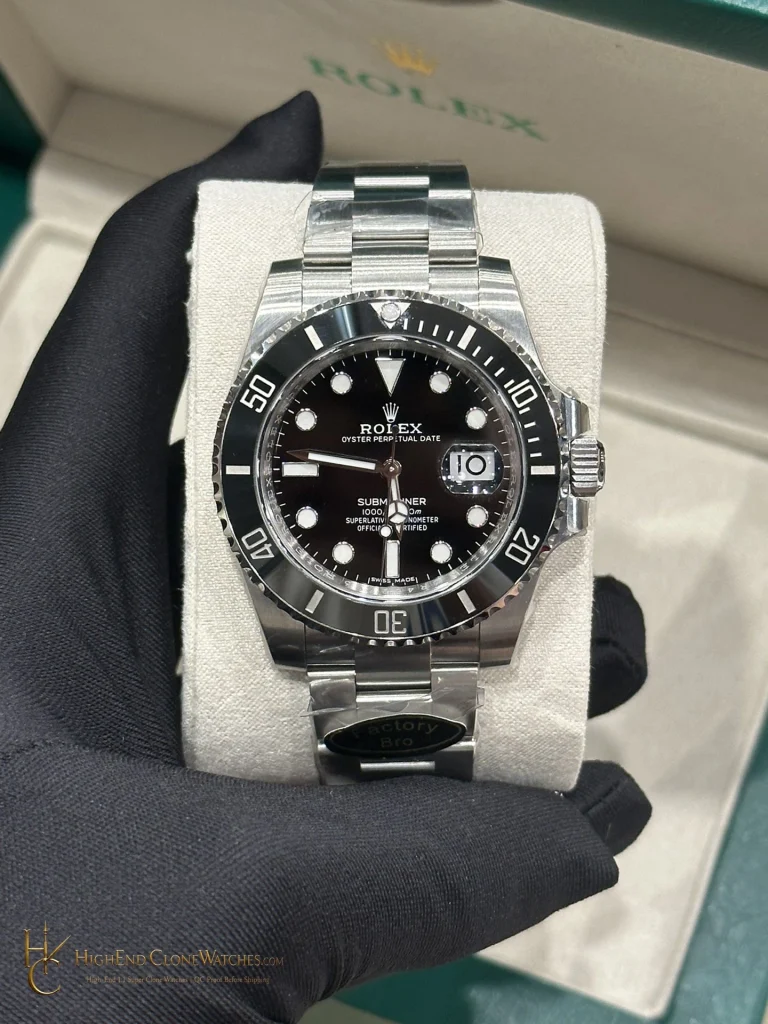
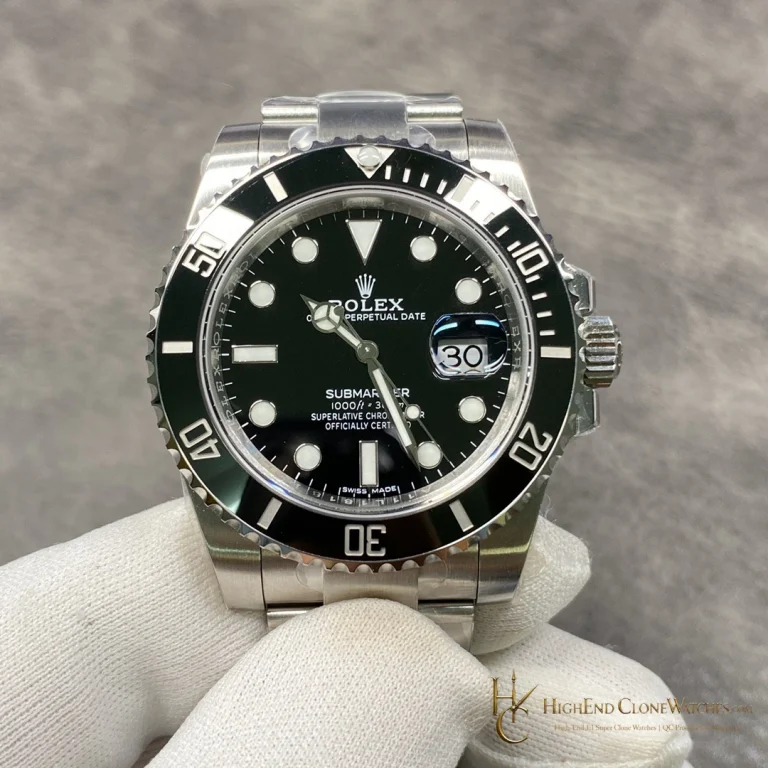
Rolex Submariner 116610LN 40mm Black Date
Sale! Original price was: $980.00.$790.00Current price is: $790.00. Add to cart -
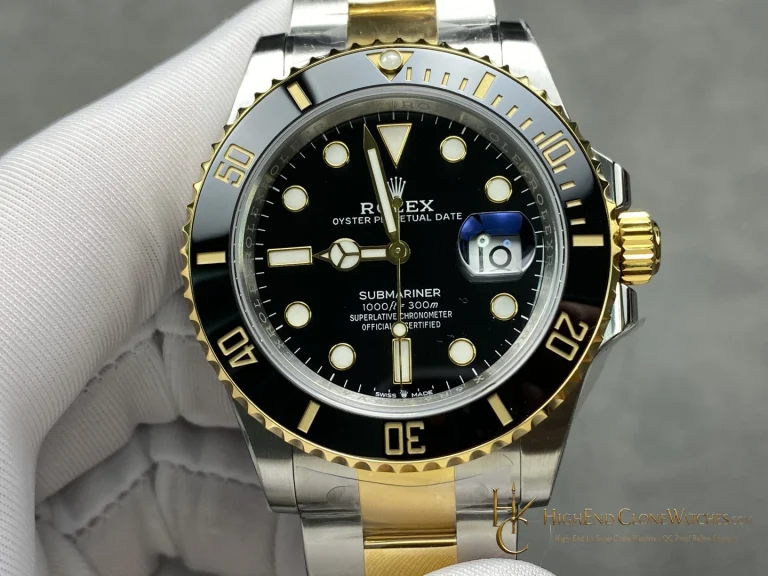
Rolex Submariner 126613LN Yellow-Gold-Tone Two-Tone Black Dial
Sale! Original price was: $1,350.00.$1,050.00Current price is: $1,050.00. Add to cart -
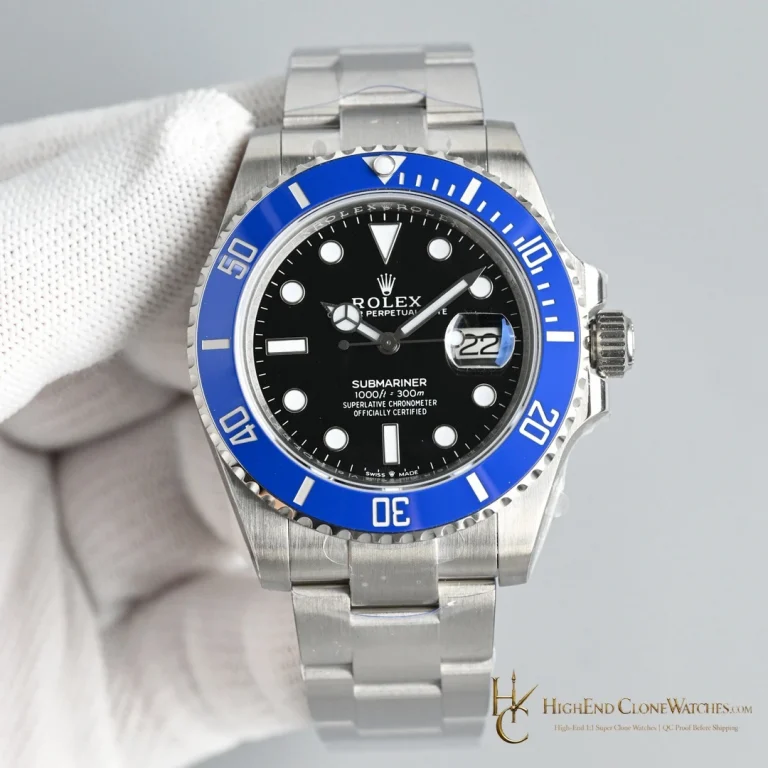
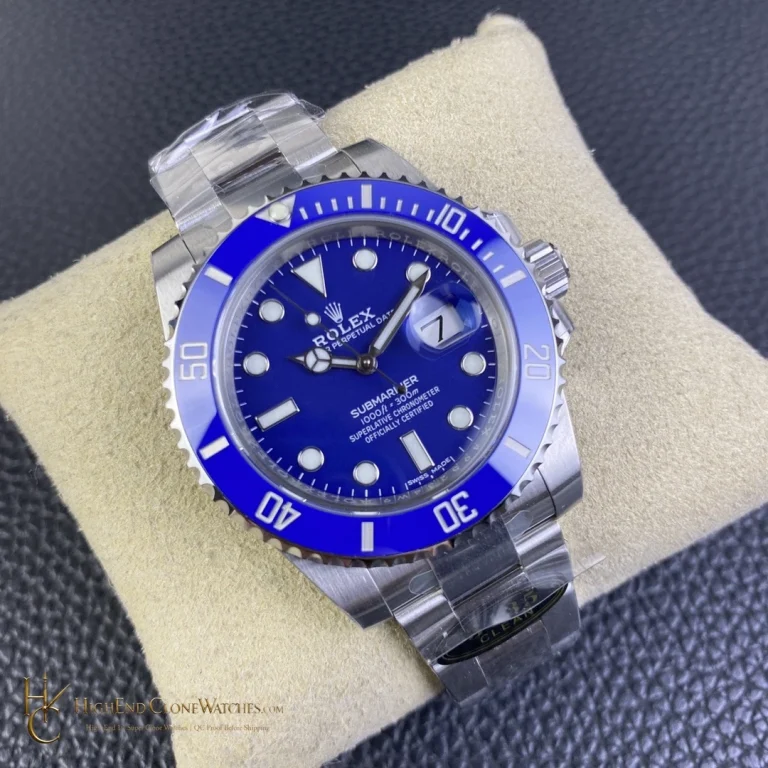
Rolex Submariner 126619LB Blue Bezel Black Dial
Sale! Original price was: $1,190.00.$890.00Current price is: $890.00. Add to cart -
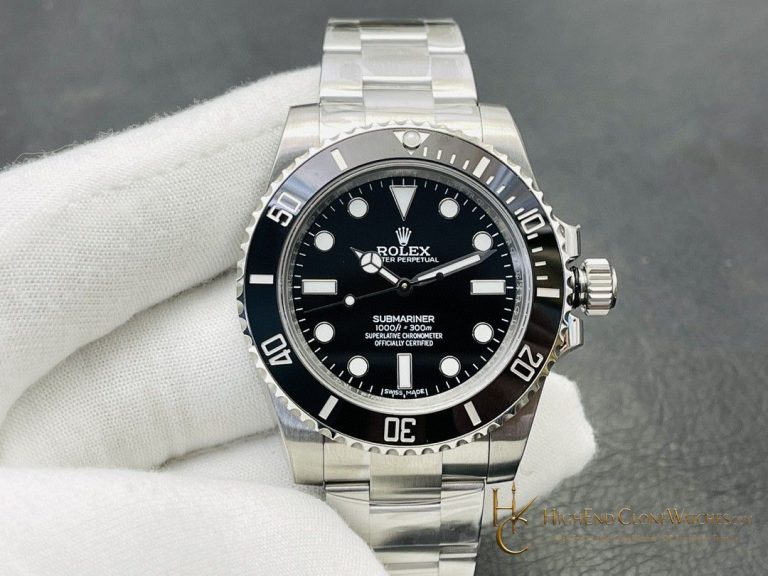
Rolex Submariner 124060-0001 No-Date Black Dial
Sale! Original price was: $1,150.00.$850.00Current price is: $850.00. Add to cart -
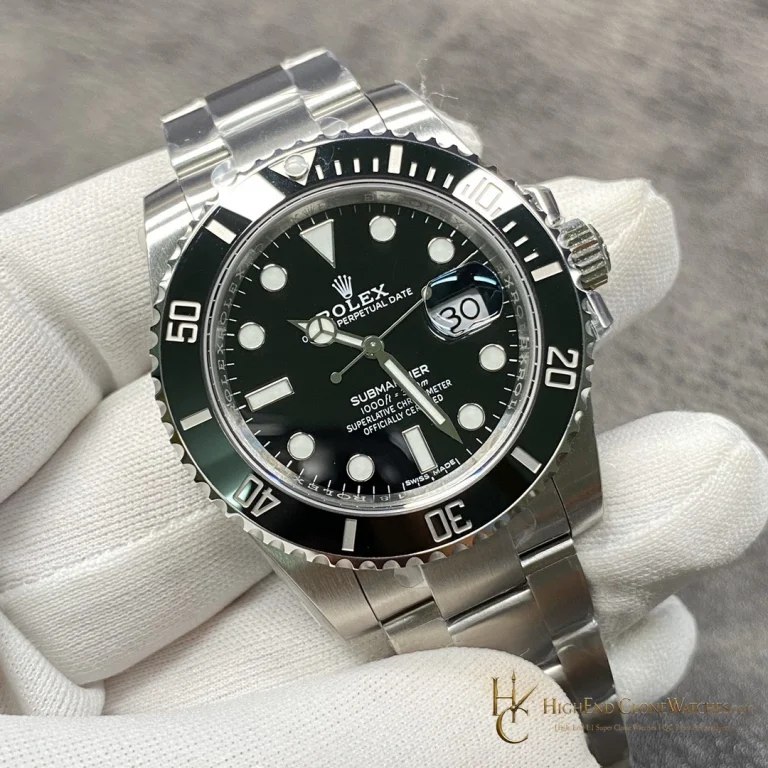
Rolex Submariner 126610LN Black Date
Sale! Original price was: $1,190.00.$890.00Current price is: $890.00. Add to cart -
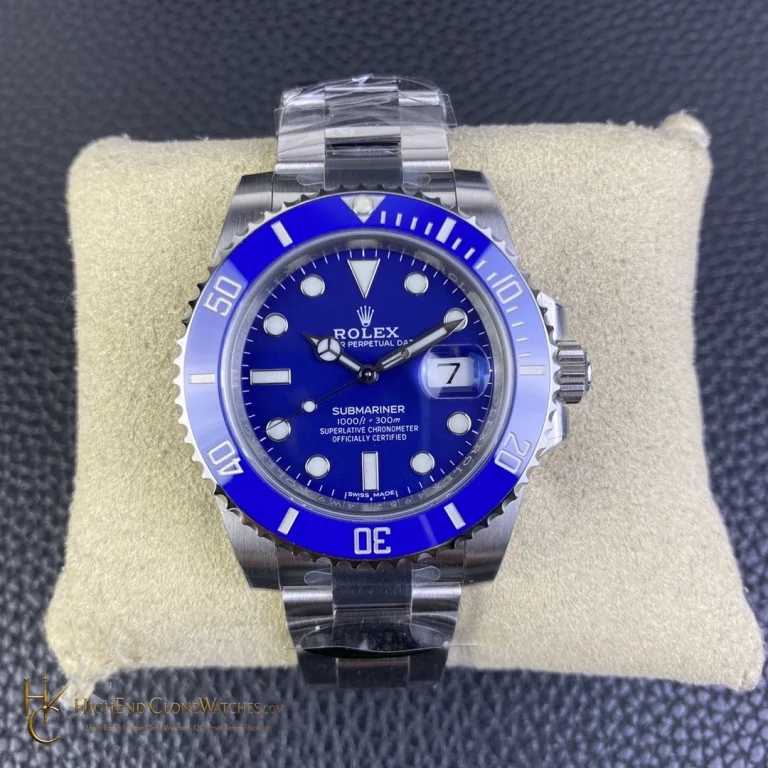
Rolex Submariner 116619LB Blue Bezel 40mm
Sale! Original price was: $980.00.$790.00Current price is: $790.00. Add to cart -
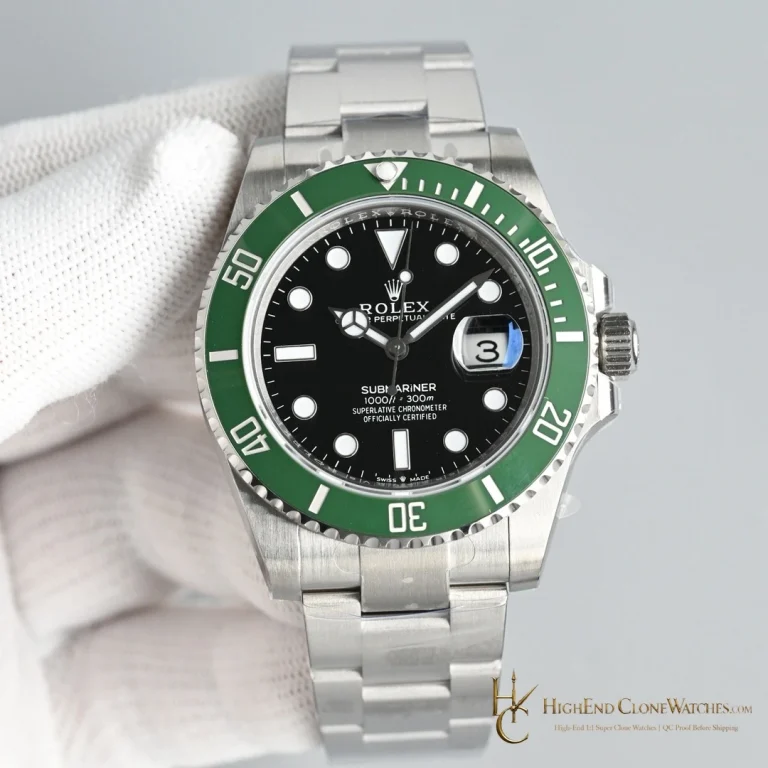
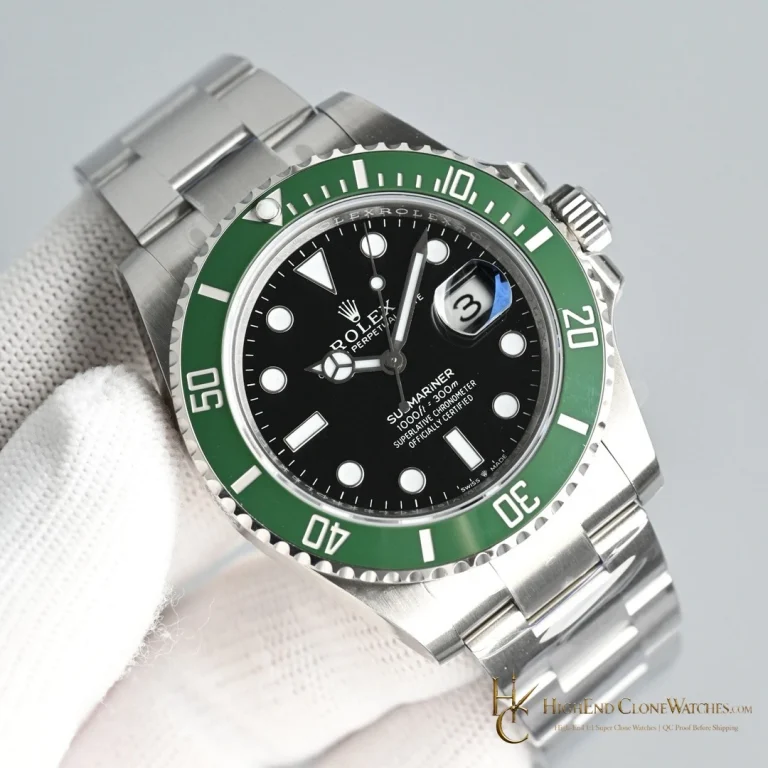
Rolex Submariner 126610LV Starbucks Green Bezel
Sale! Original price was: $1,290.00.$890.00Current price is: $890.00. Add to cart -
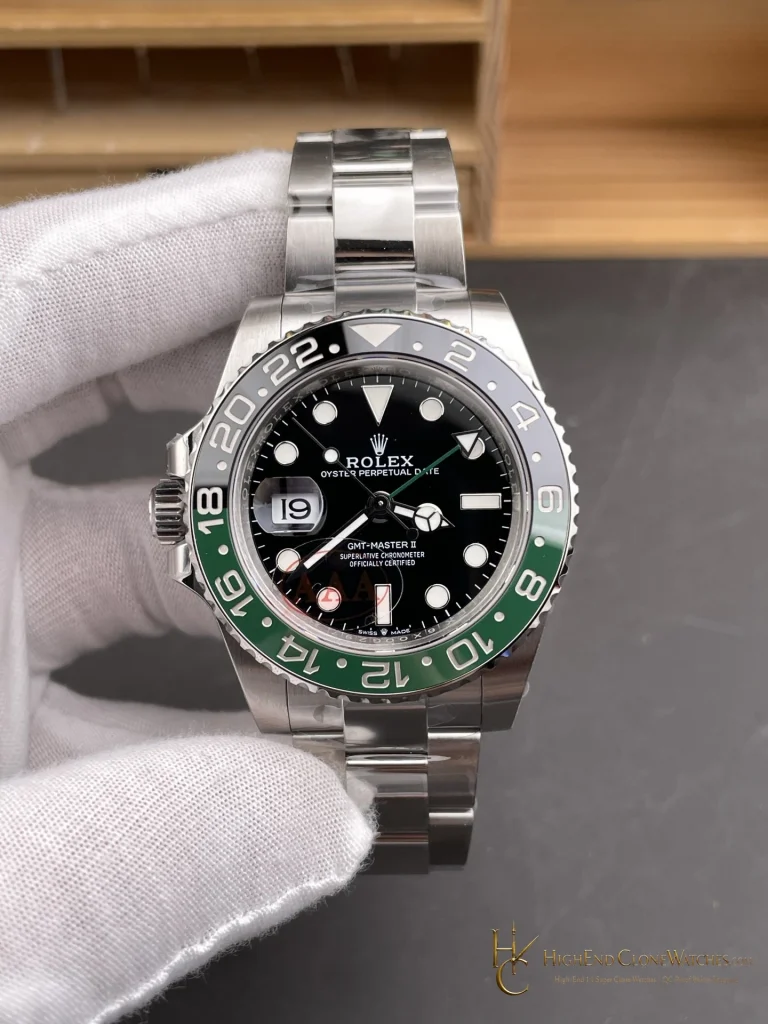
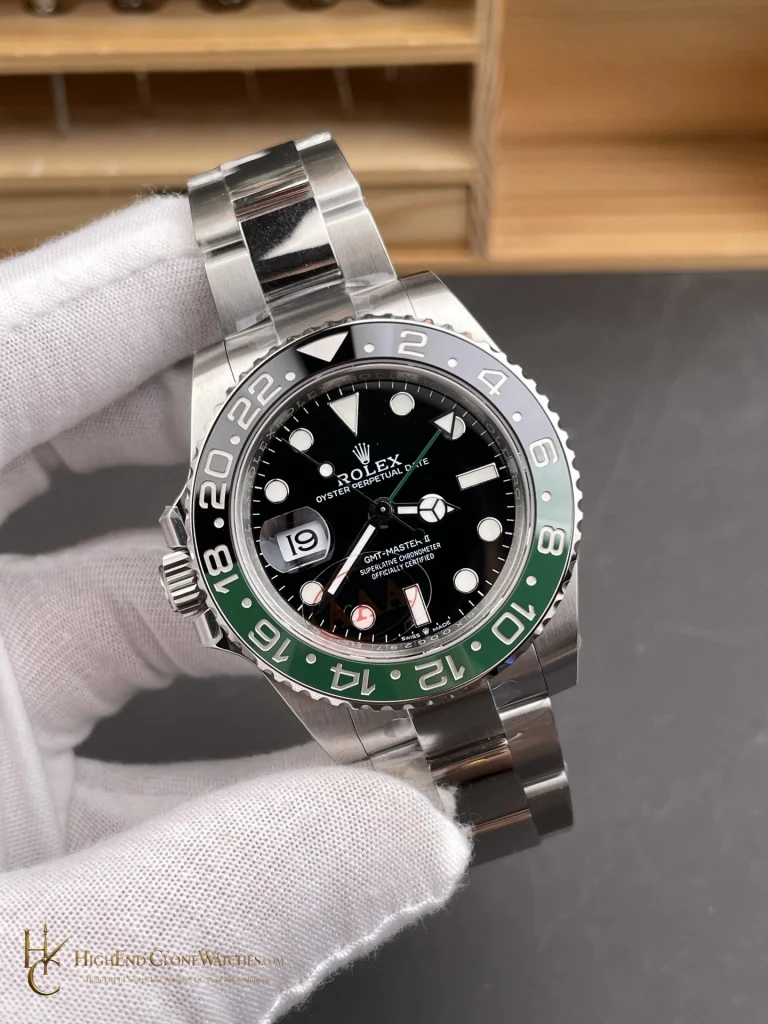
Rolex Sprite GMT-Master II 126720VTNR Oyster
Sale! Original price was: $1,100.00.$890.00Current price is: $890.00. Add to cart