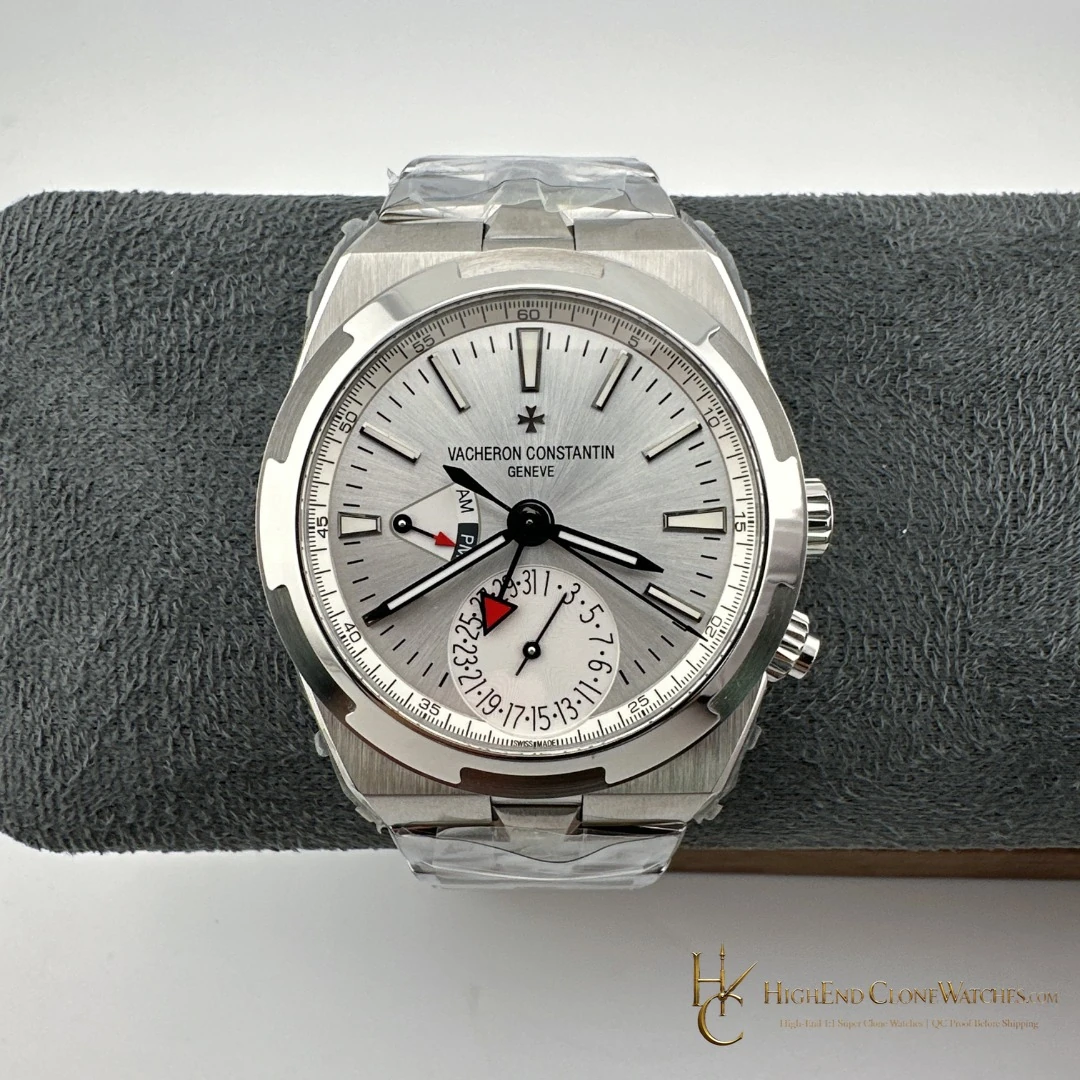
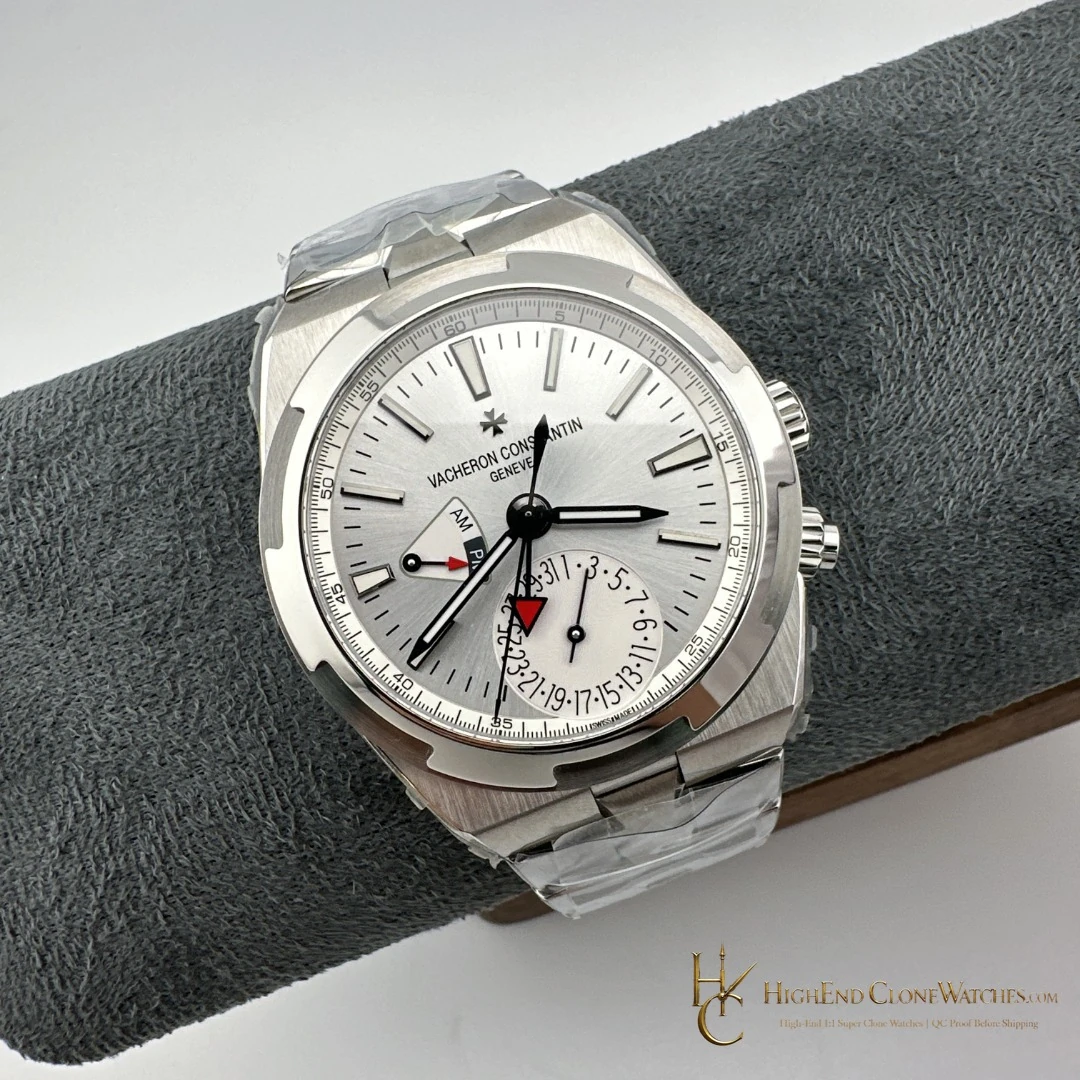
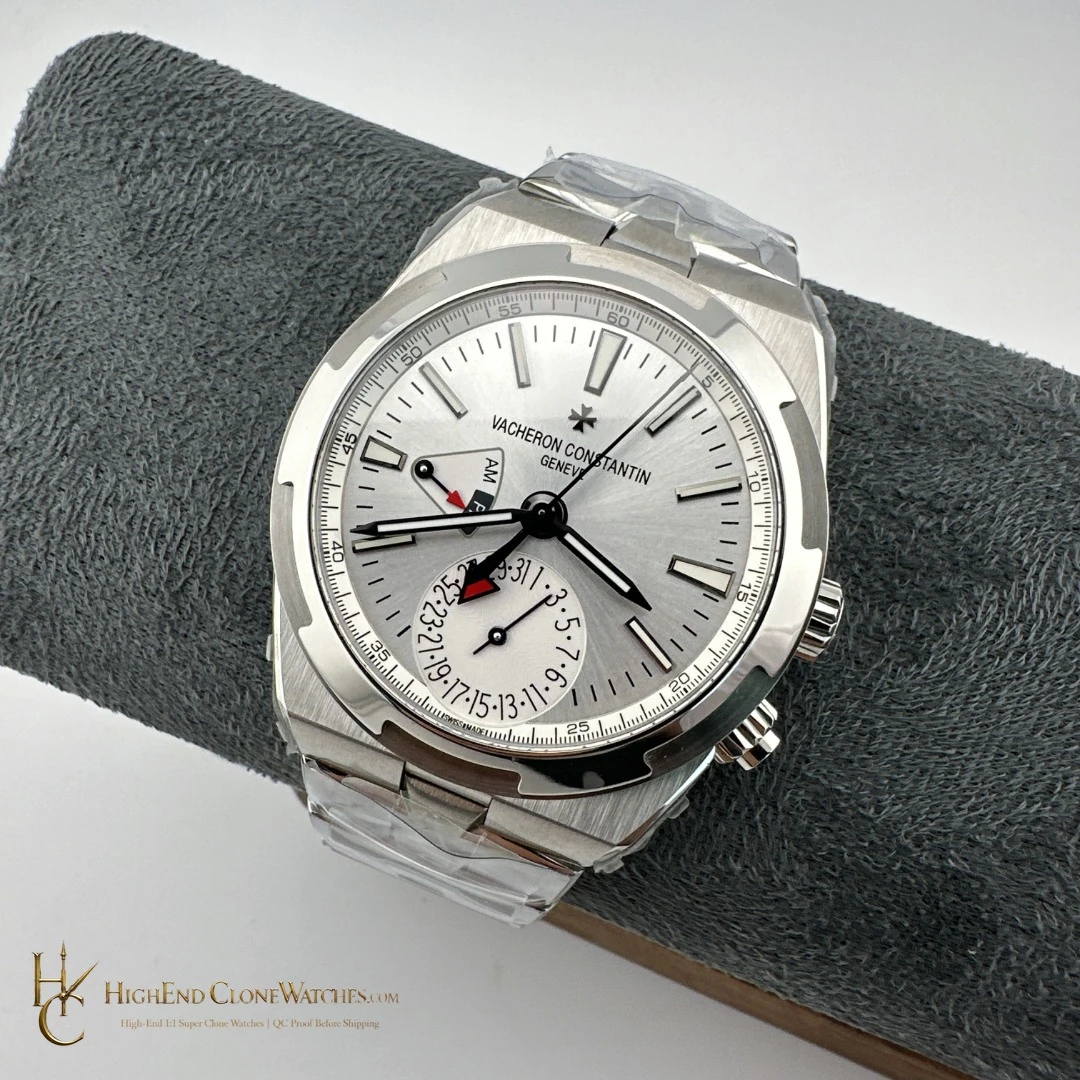
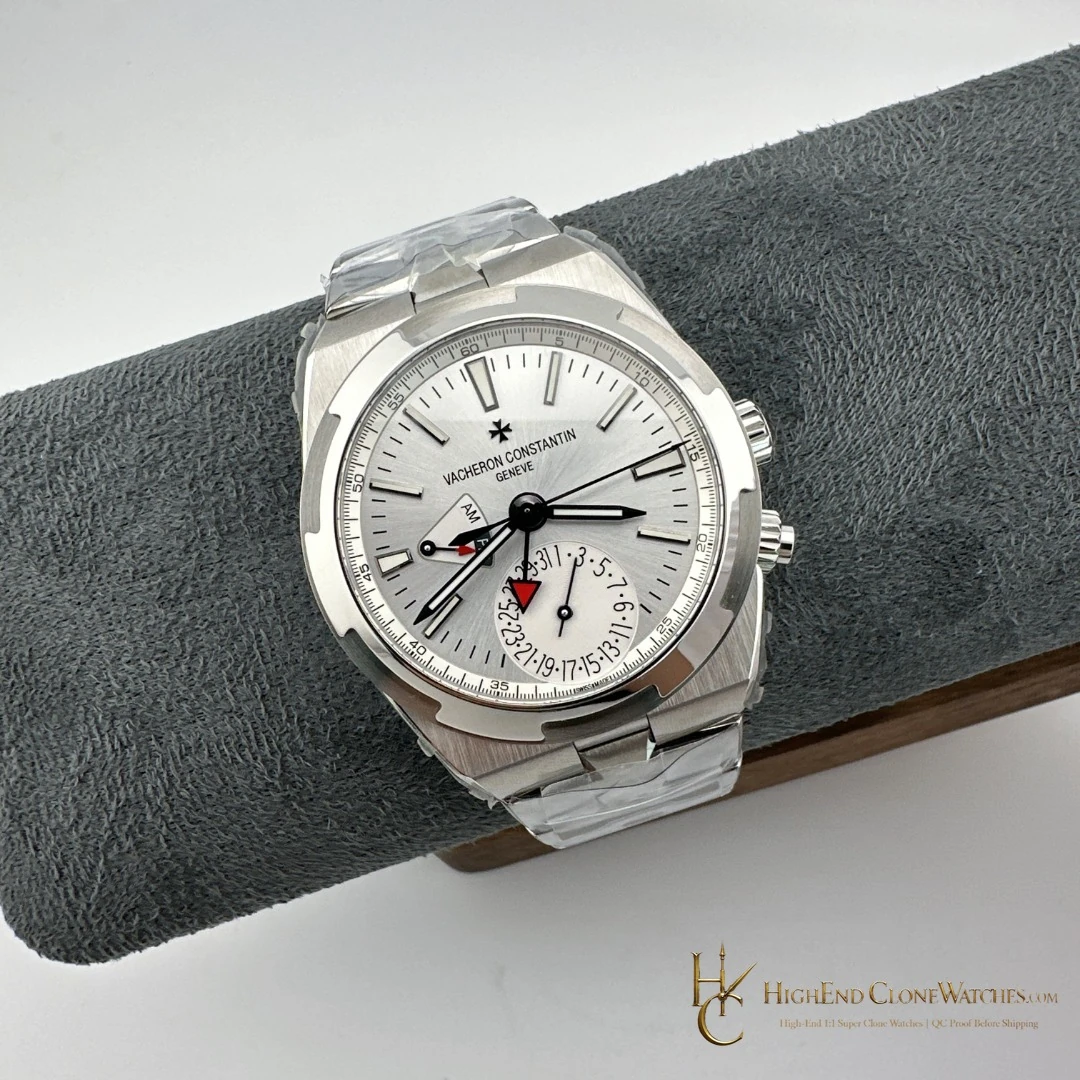
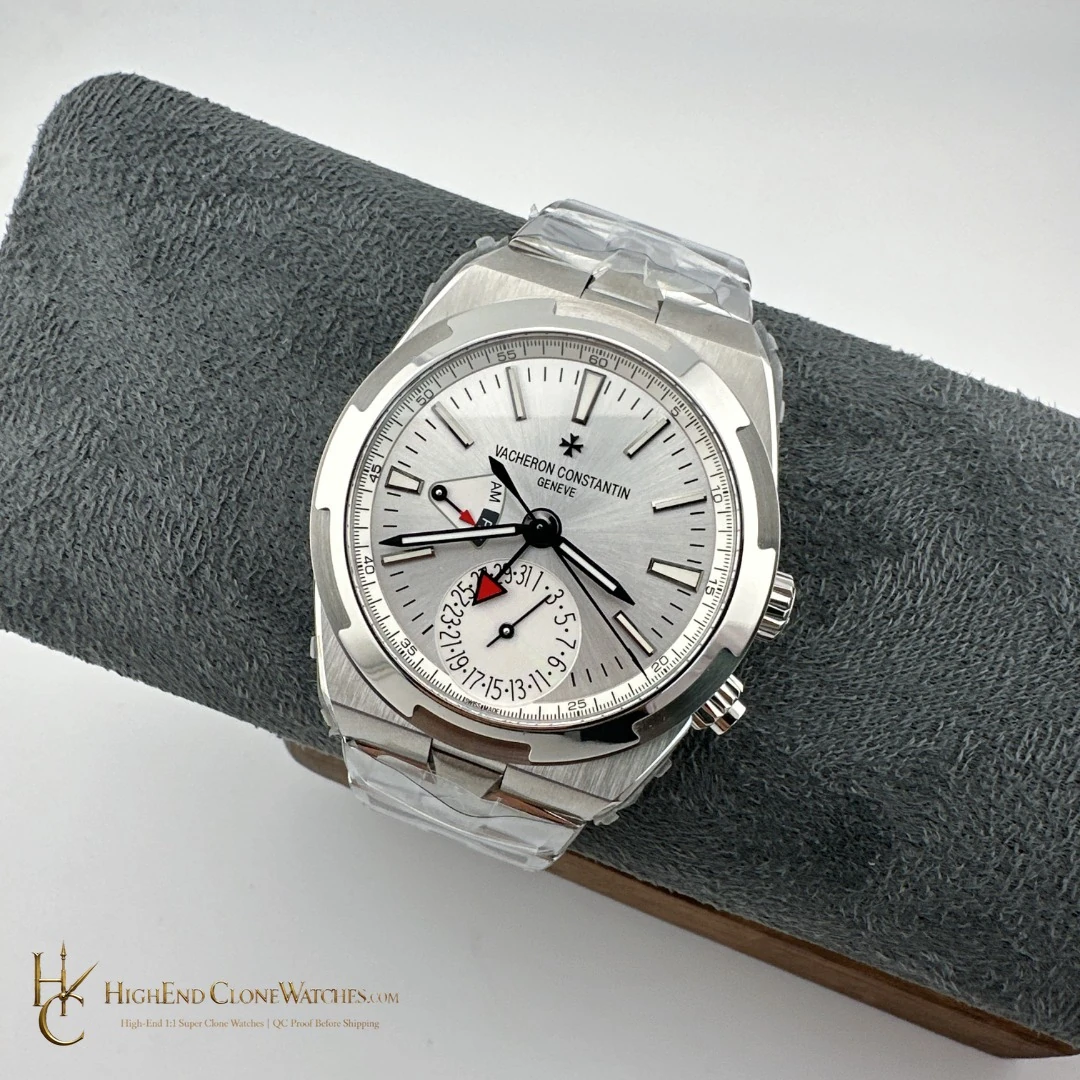
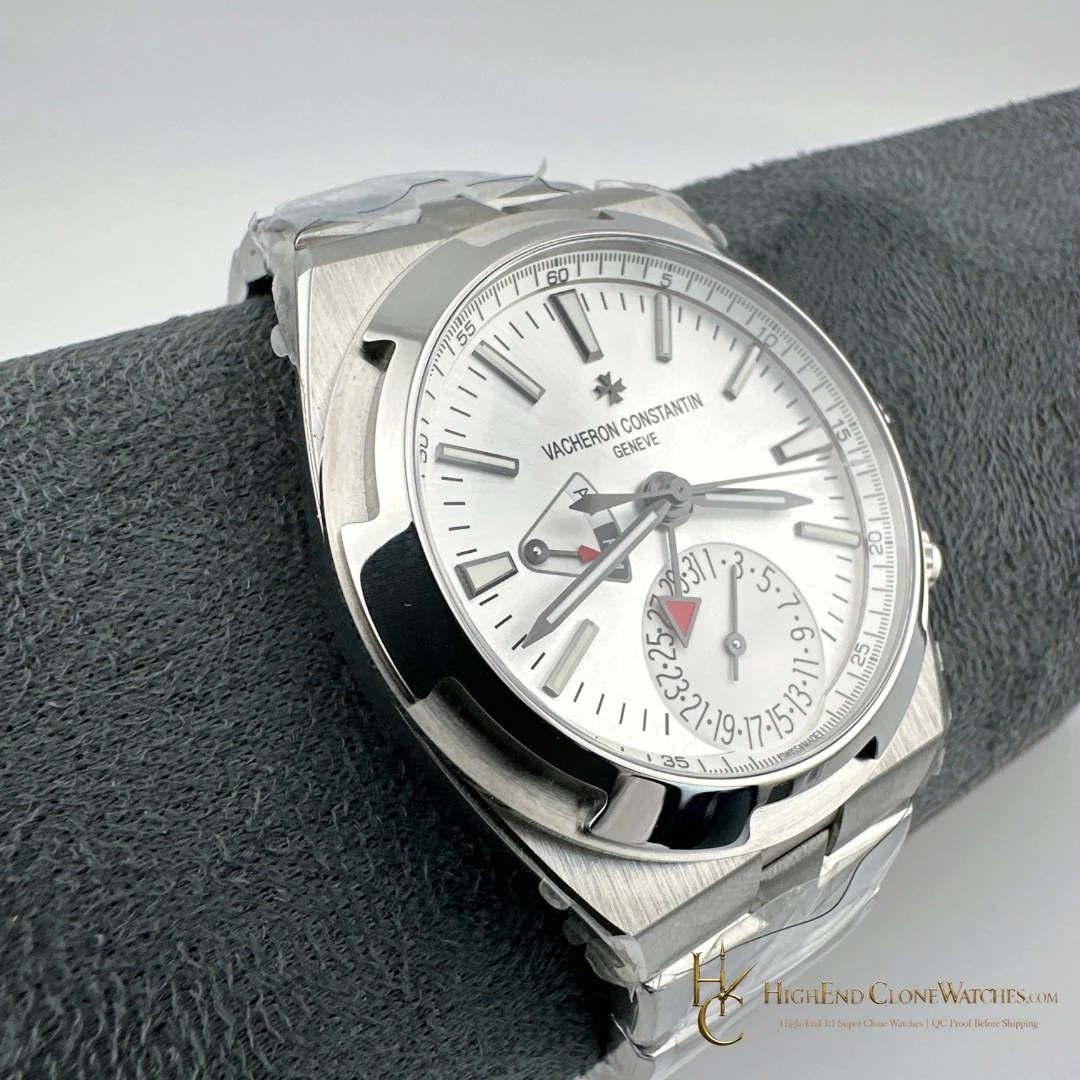
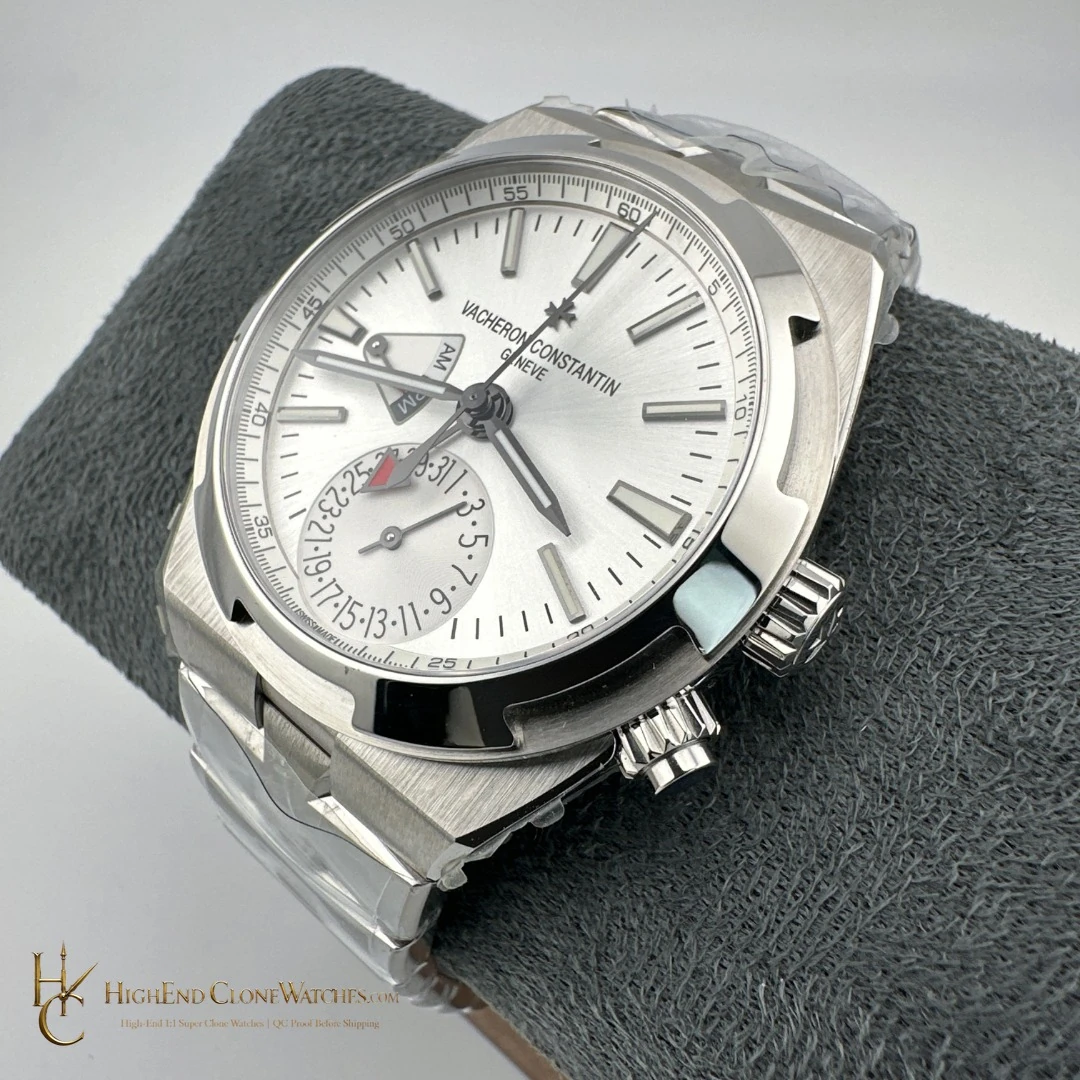
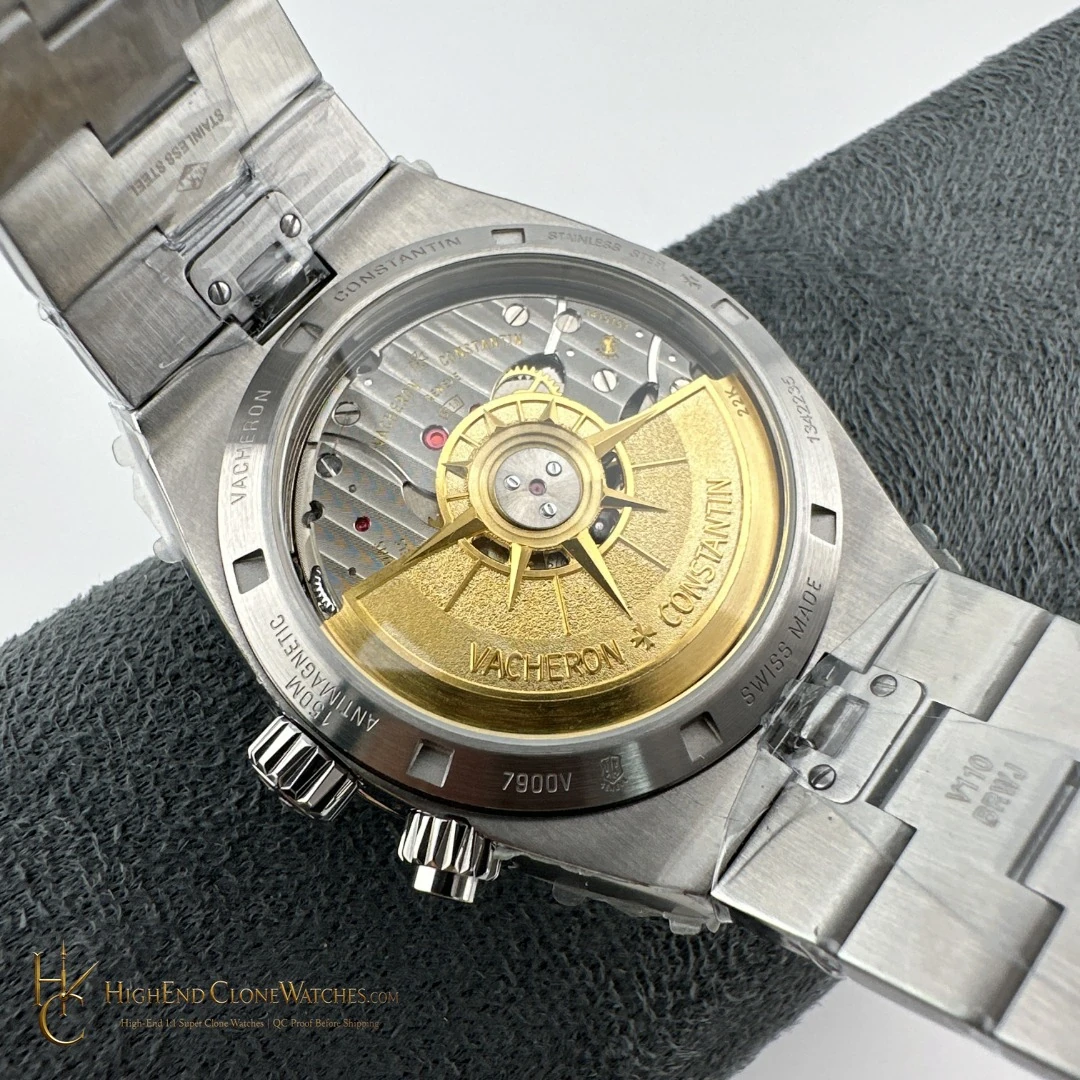
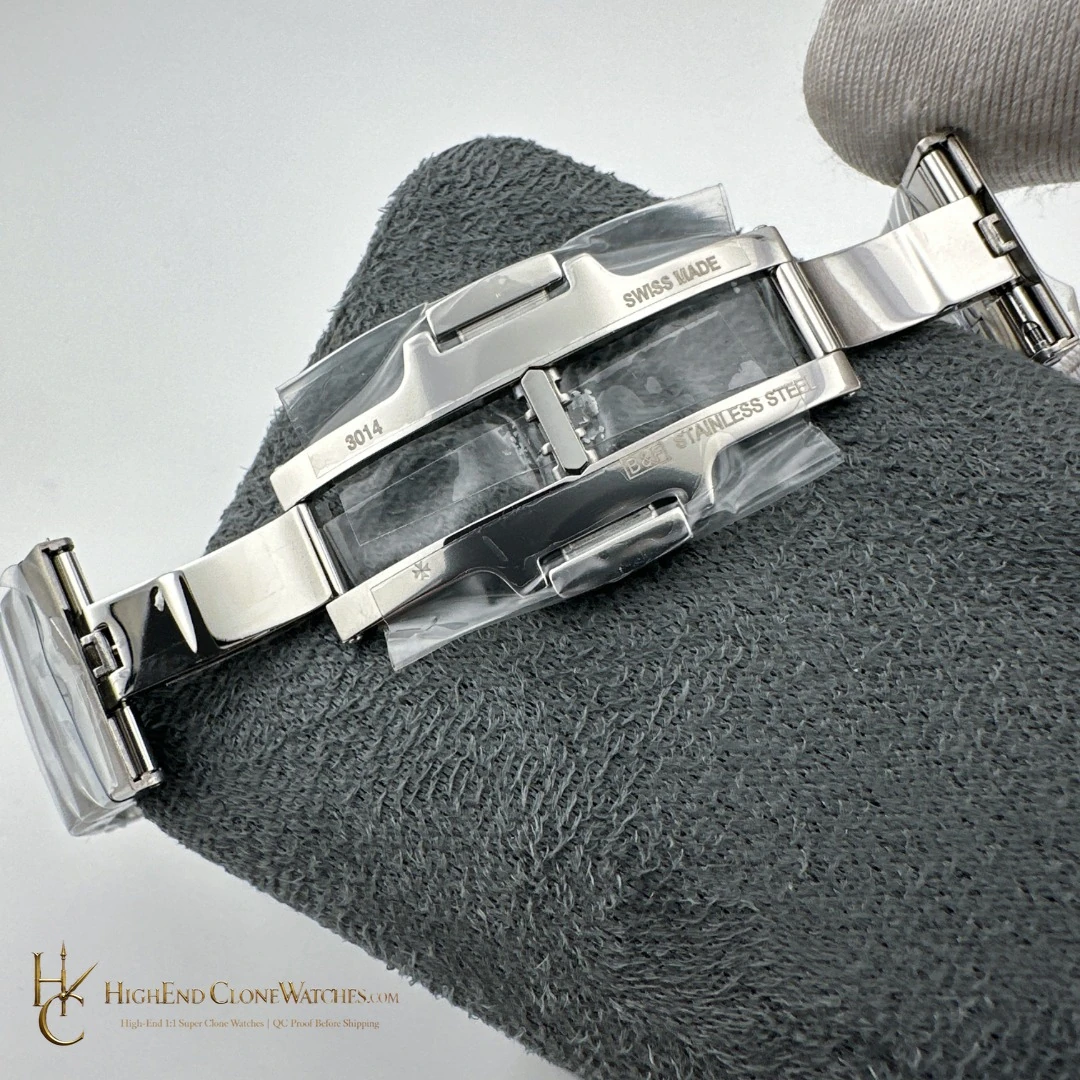
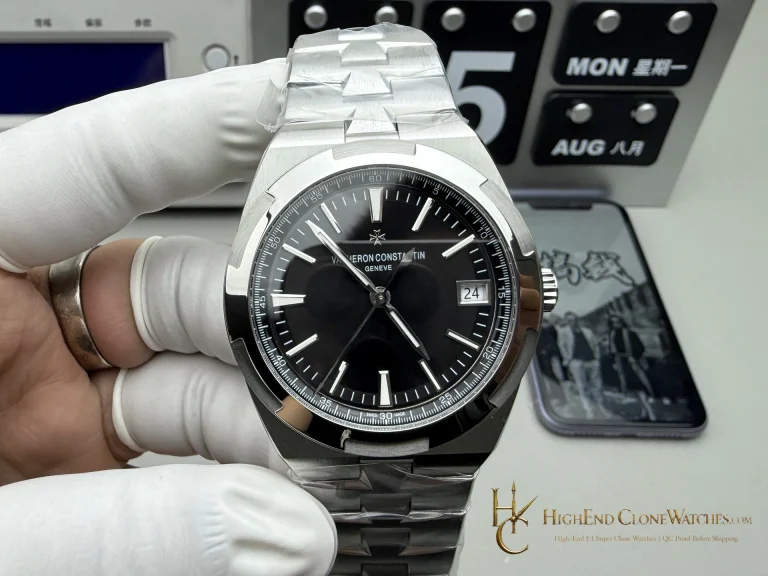
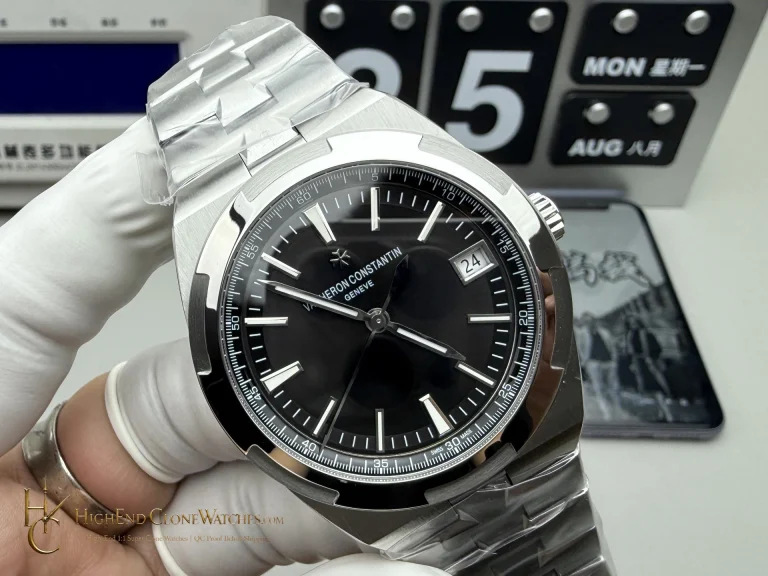
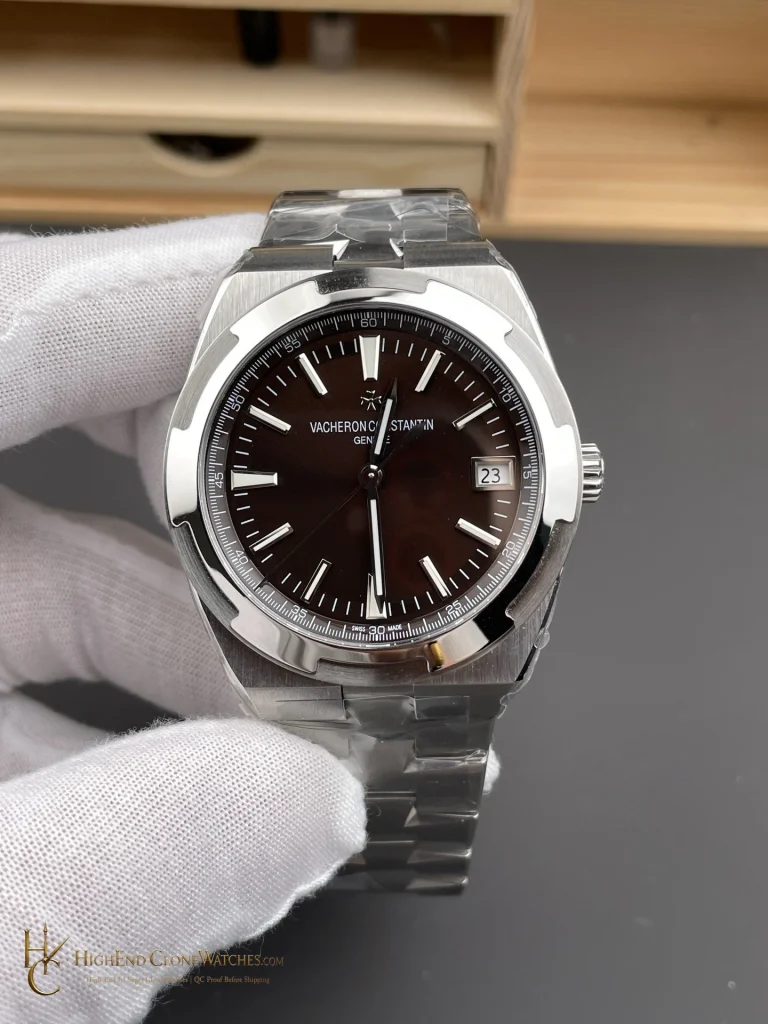
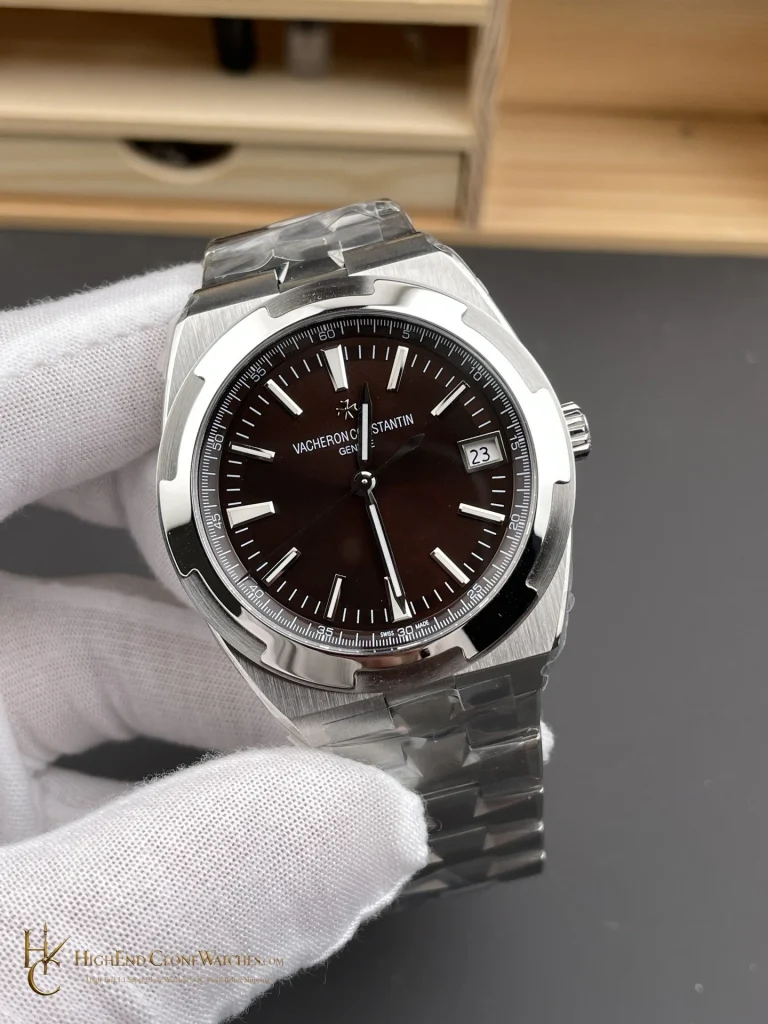
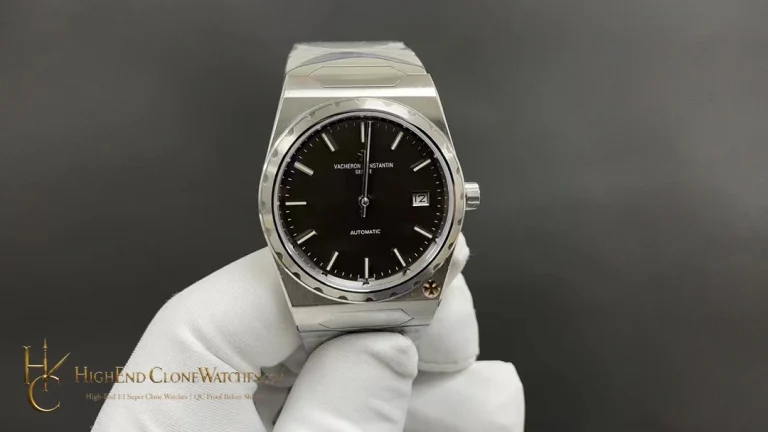
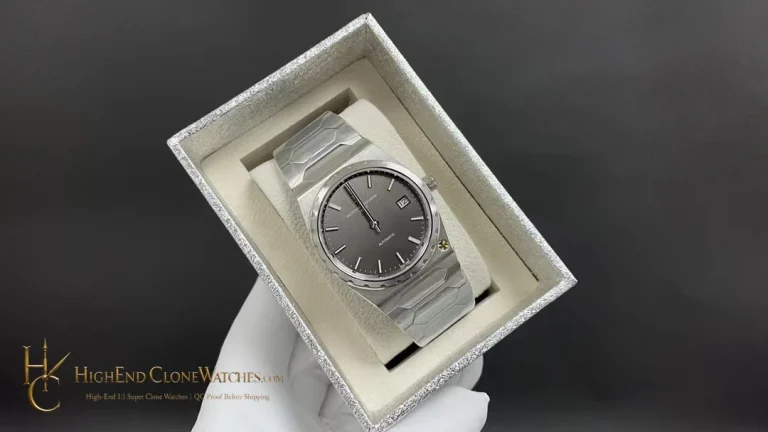
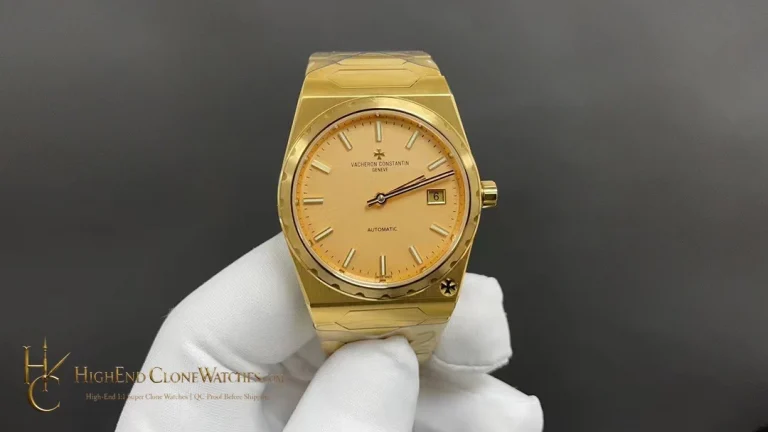
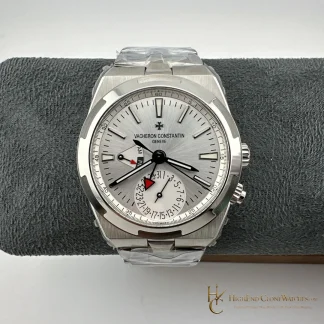
QC should check pointer-date centering, dual-time hand and AM/PM alignment, white dial texture and blue luminous application. Inspect the bezel's polished and brushed surfaces, the 13.3mm side profile, bracelet articulation and deployant clasp closure. Because the crown sequence is specific to the complication, operate it deliberately and stop if a position does not engage smoothly.
The dial's value is separation: the central time remains the first read, while the pointer date and secondary indications occupy their own visual zones. That makes the busy specification easier to use at a glance. In low light, the blue luminous accents add a practical contrast to the white ground and maintain the cool, instrument-like personality of the steel version.
The 48.5mm lug-to-lug measurement gives the 41mm case a deliberate footprint, and the 163.3g stated weight reinforces the solid steel feel. This is useful information when choosing between leather and bracelet: B333 is meant to feel like one continuous sports watch from bezel through end links, not a dress case with a replacement band. The 13.3mm side profile should therefore be considered alongside the complication, not judged as an isolated number.
That difference is especially clear in travel use. B333 can move from casual clothing to business settings without changing the visual language of the watch, and the steel bracelet gives it a more active stance. B336 is the better choice when rose-gold warmth and leather comfort are the priority; B333 is the more straightforward daily instrument for a buyer who wants the complication to stay present but not delicate.
Review the dial straight on for concentric alignment, then inspect the case from the side for an even transition through crown and lugs. The integrated end links should meet the case cleanly, the clasp should close without skew, and the bracelet should articulate evenly across the wrist. Cycle the setting controls slowly and confirm each indication responds as expected before final approval.