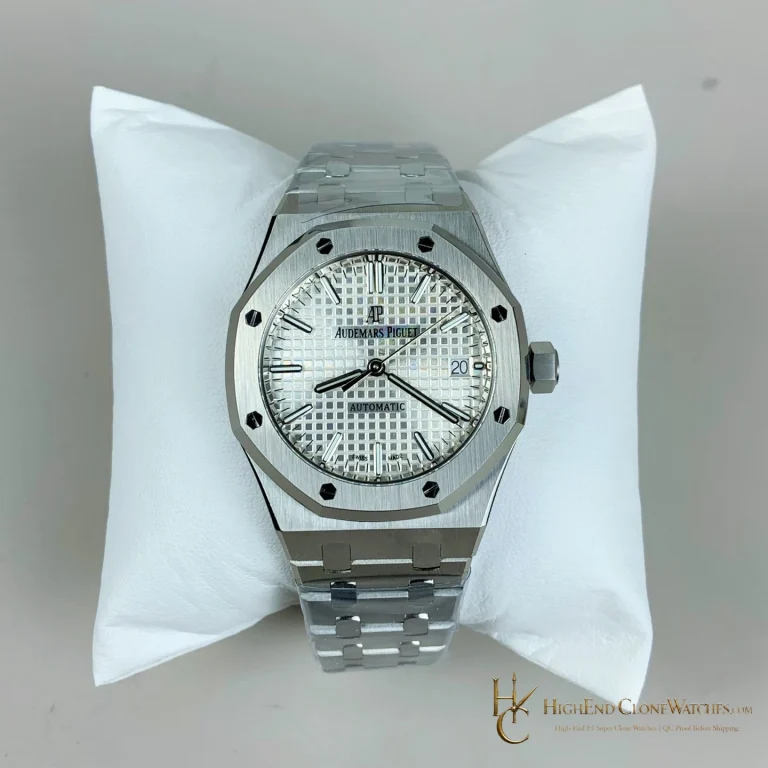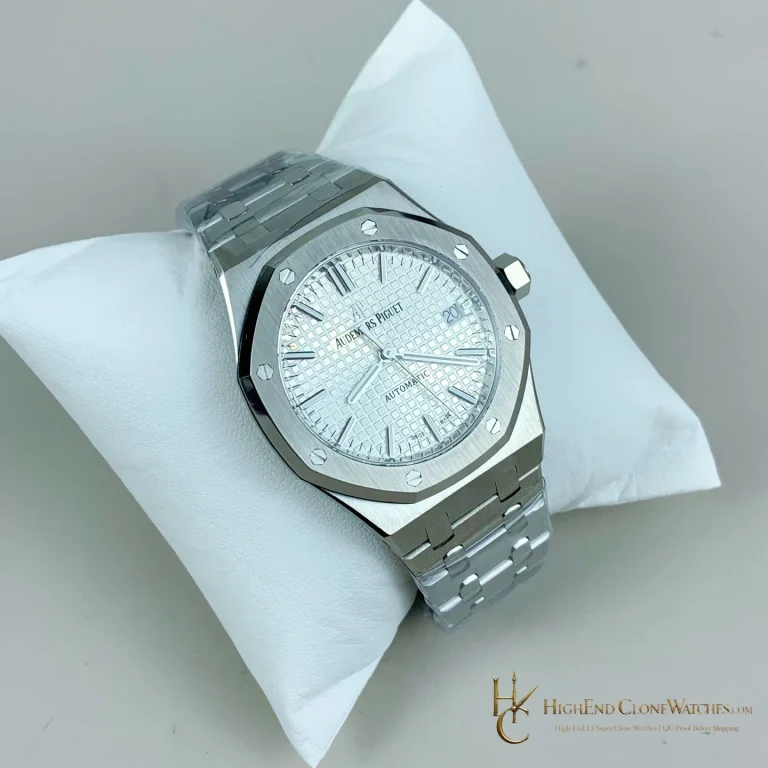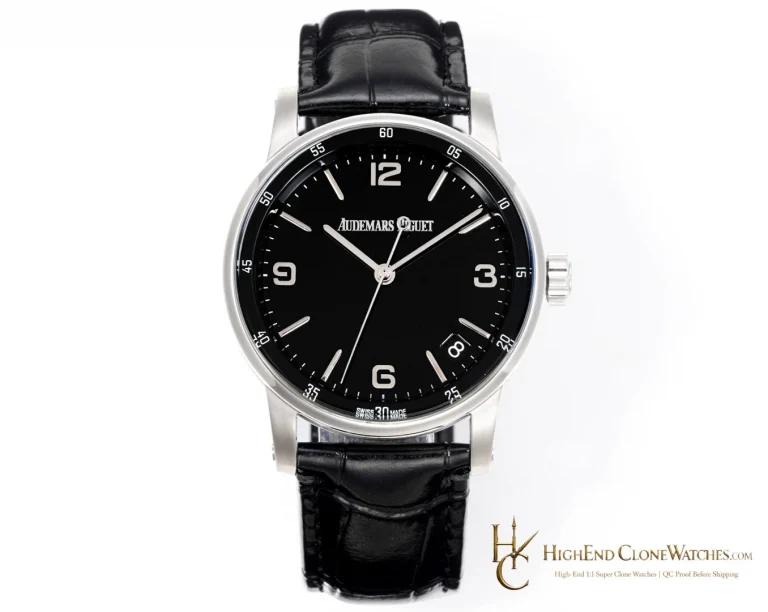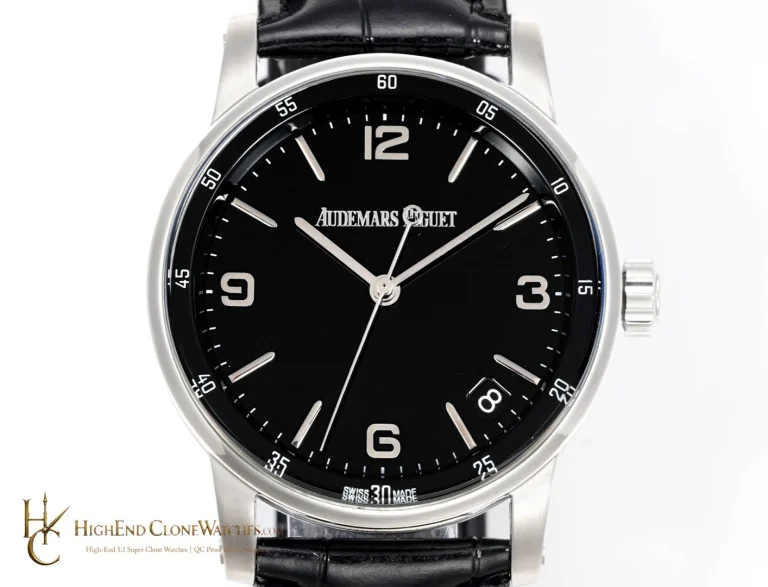
Audemars PiguetRoyal Oak26240BA

Audemars Piguet Royal Oak 26240BA Gold-Tone Dial Super Clone Watch

Original price was: $1,899.00.Current price is: $1,499.00.

Buying notes for this configuration

The real comparison is gold-tone presence versus steel restraint. A blue or black steel 26240 is easier to keep low-key; the 26240BA makes the dial and case colour part of the occasion. Its value as a choice comes from the relationship between the warm patterned face, the dark registers and the integrated bracelet line. Select it when the chronograph should be noticed, and use the gallery to judge tone consistency, register spacing and pusher alignment before committing.

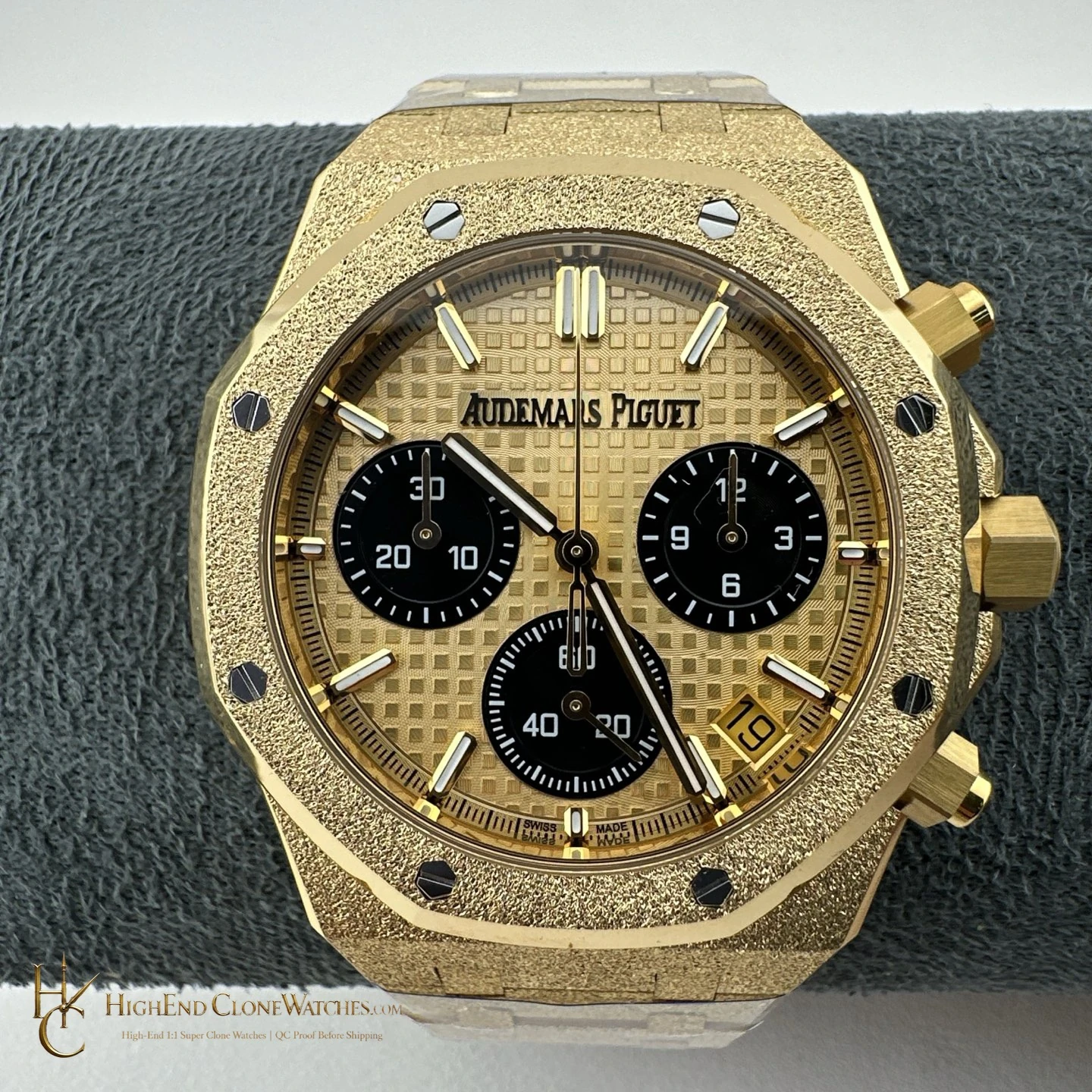
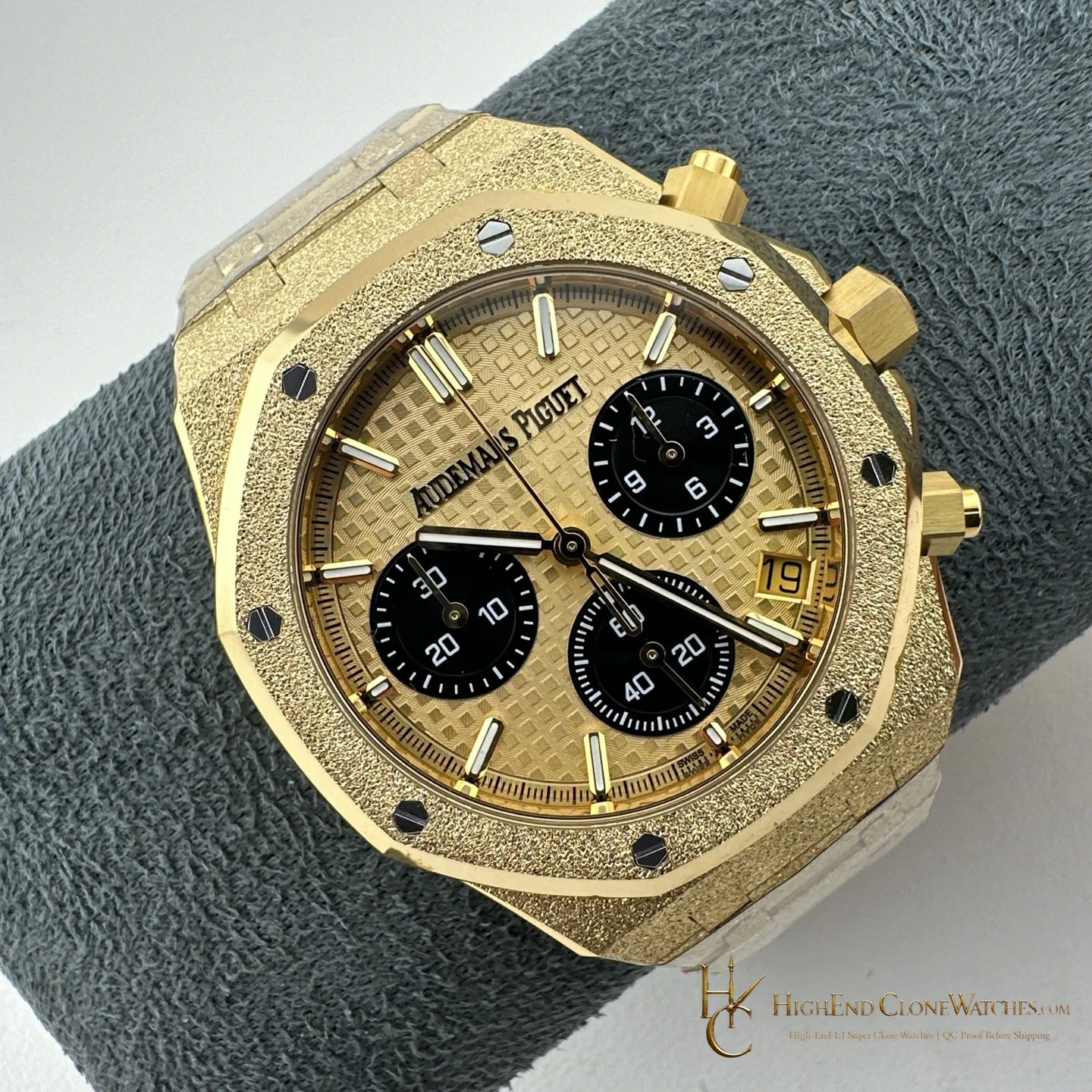
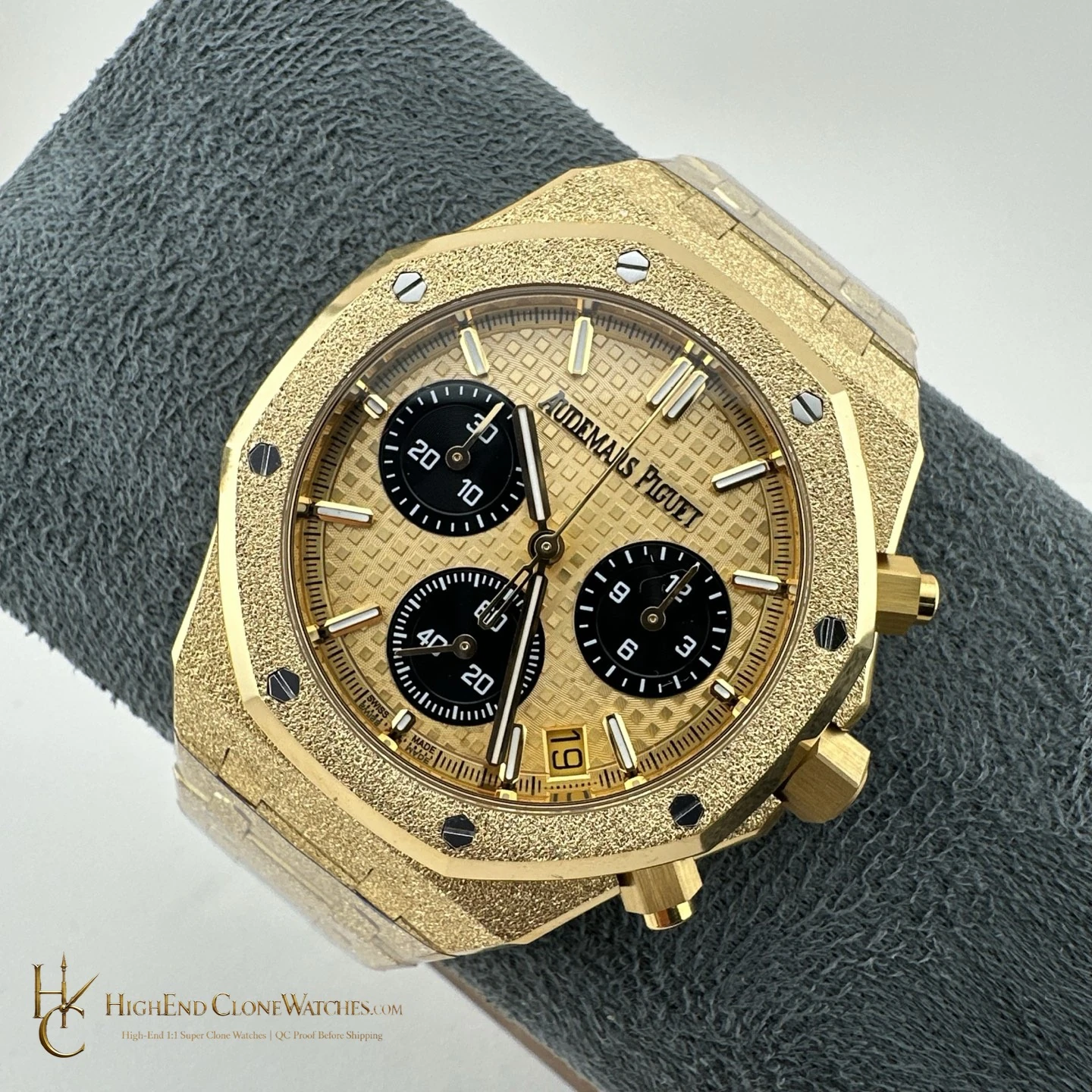
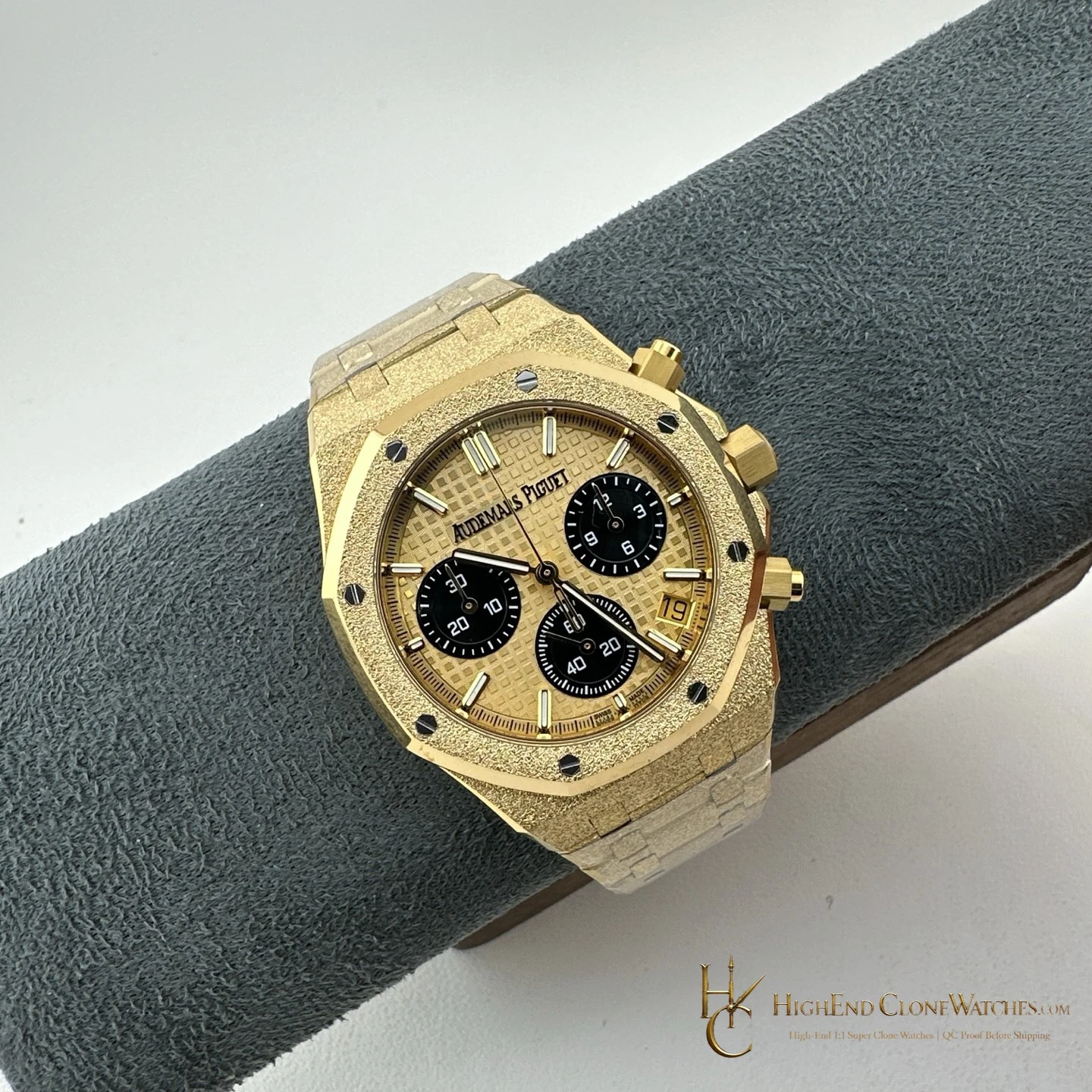
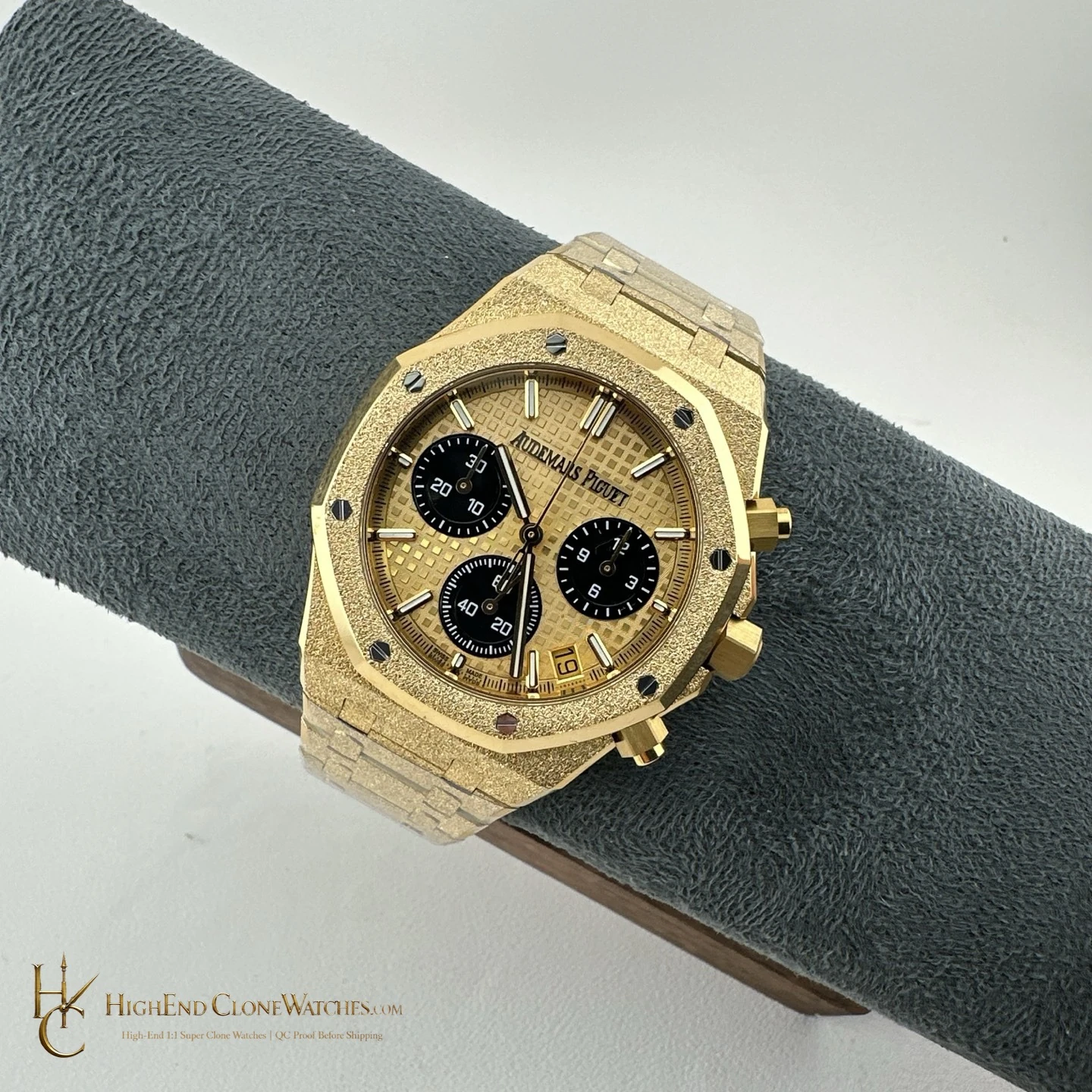
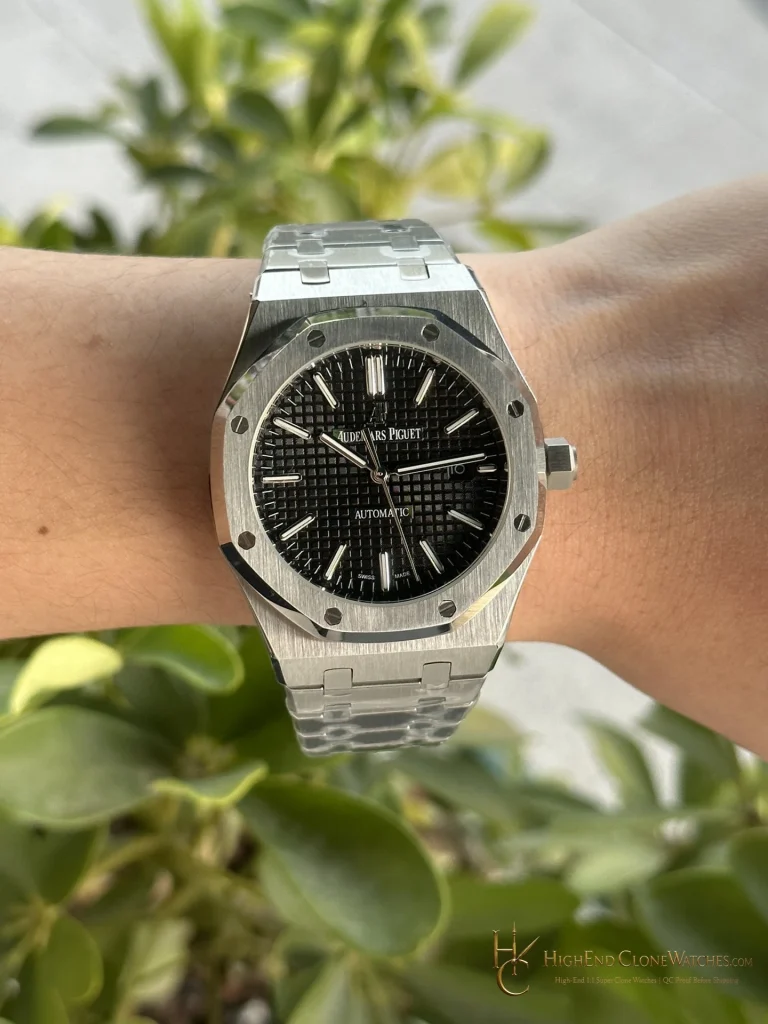
The 26240BA is defined by its warm gold-tone dial and three dark chronograph registers. The 41mm Royal Oak case and integrated bracelet give the colour a broad, continuous frame, while the black sub-dials create the contrast needed for quick reading. It suits a buyer who wants the familiar Royal Oak chronograph architecture in a more conspicuous, statement-led palette than the steel blue or black alternatives. Compare the exact front and wrist views before ordering; they show how this configuration balances colour, texture and case scale.

Display estimate. Cart and checkout remain in USD.
Buy Now
QC proof before dispatchPhotos or video are prepared for the exact watch before it leaves.

Confirmed configuration

SKU: audemars-piguet-royal-oak-gold-dial-26240ba-selfwinding-chronograph-super-clone-watch Categories: , Brand:
Worldwide priority shippingQC processShipping information

Warm colour, clear chronograph contrast

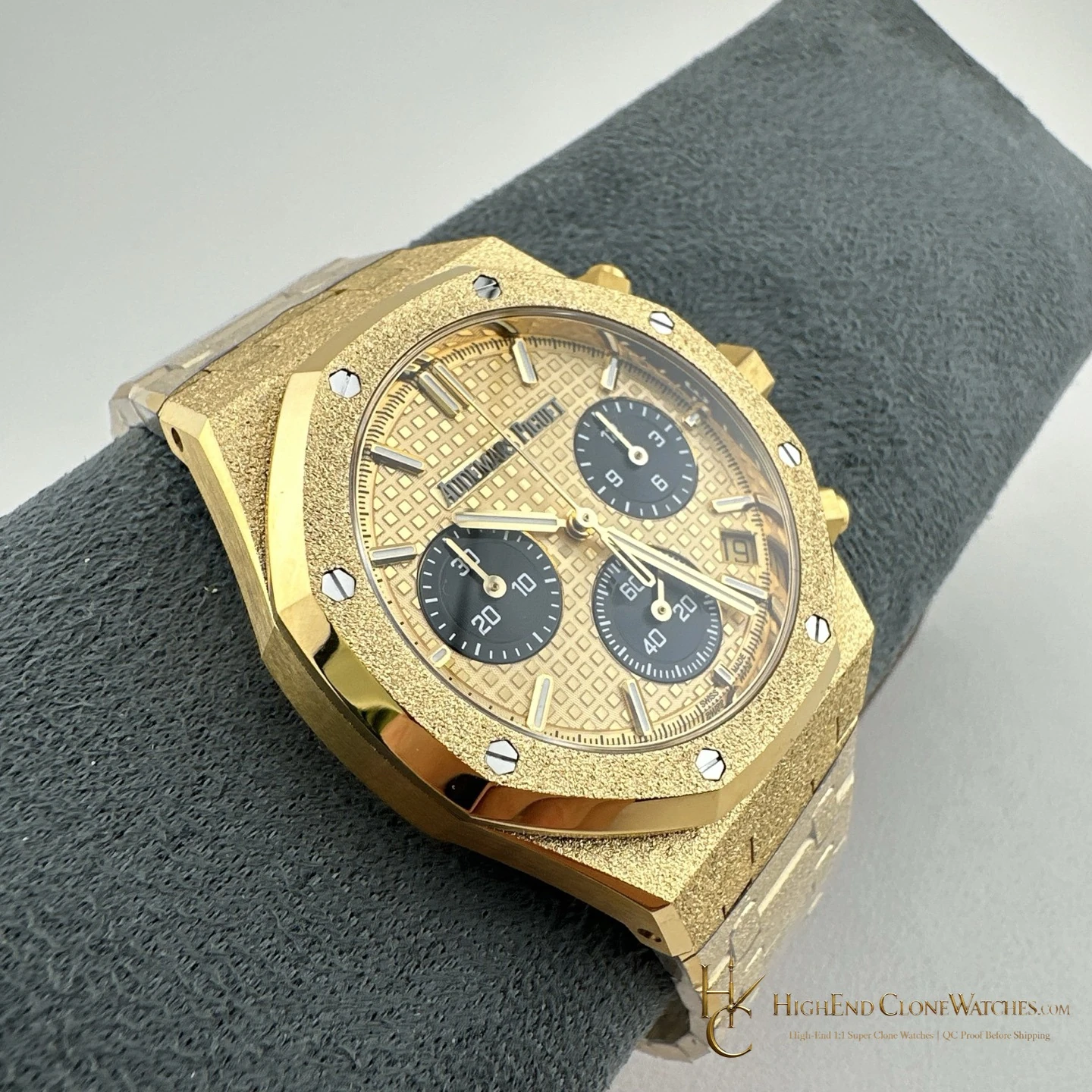
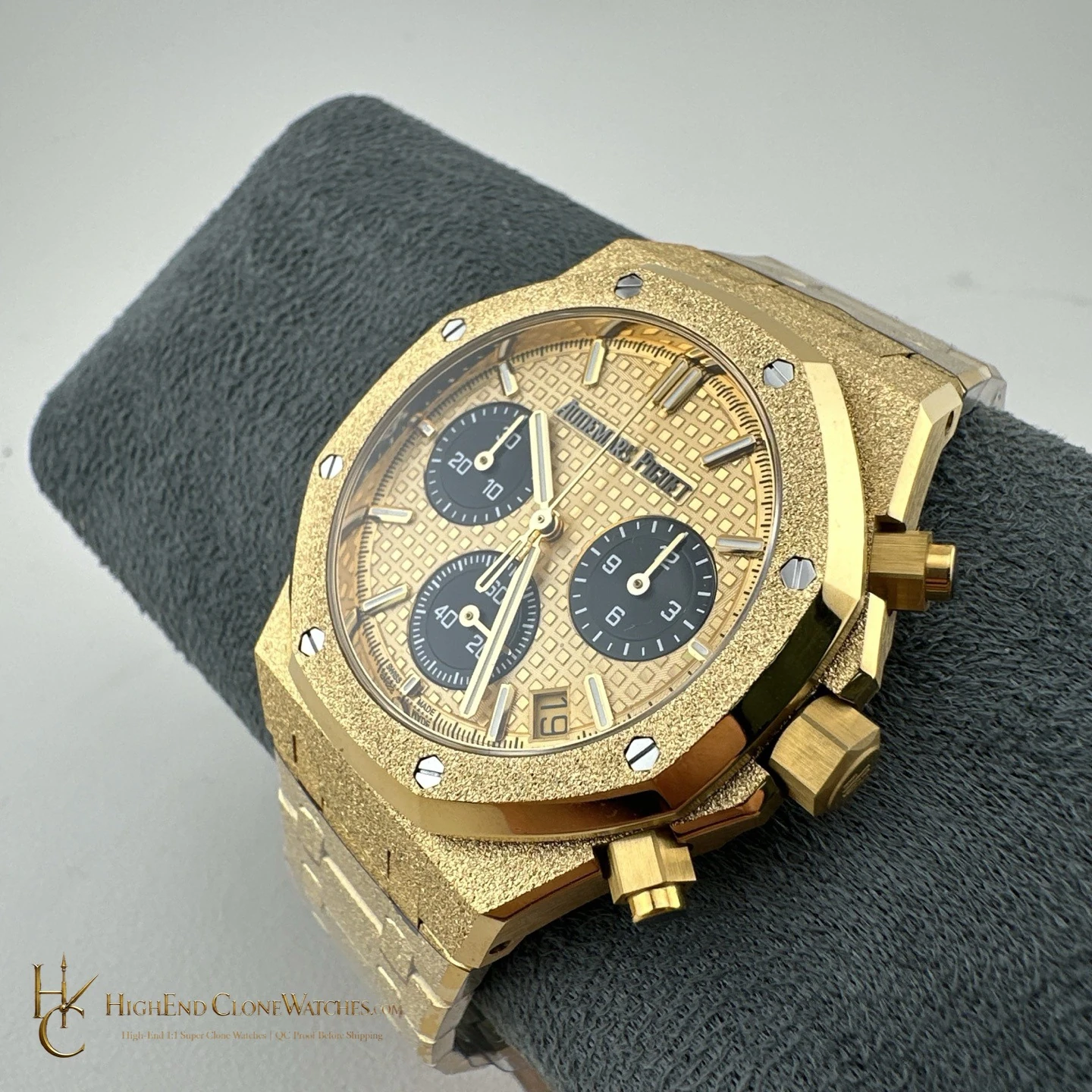
The 26240BA puts the gold-tone dial at the centre of the Royal Oak chronograph. Its patterned surface carries the warmth, while three dark registers break the field into readable zones. The octagonal bezel and integrated bracelet continue the same statement across the wrist, giving the watch a more commanding presence than a steel dial configuration. Front and angled views are especially useful because the tone changes with the light.

Why the chronograph layout matters

The three-register arrangement gives the dial more visual activity than a time-only Royal Oak. That activity needs spacing and alignment to remain composed: the sub-dials, markers, date aperture and central hands should work as one system. The 41mm case provides enough room for the registers to read separately, while the bracelet keeps the watch from feeling visually fragmented. Choose this configuration when the complication is part of the appeal, not merely an extra detail.

Gold-tone or steel 26240

Steel blue or black versions are the quieter alternatives and make the case geometry easier to pair with everyday clothing. The 26240BA is more deliberate: the warm dial and matching exterior ask to be seen. That difference is useful for selection because it changes the role of the watch from versatile sports option to statement chronograph.

QC focus for this reference

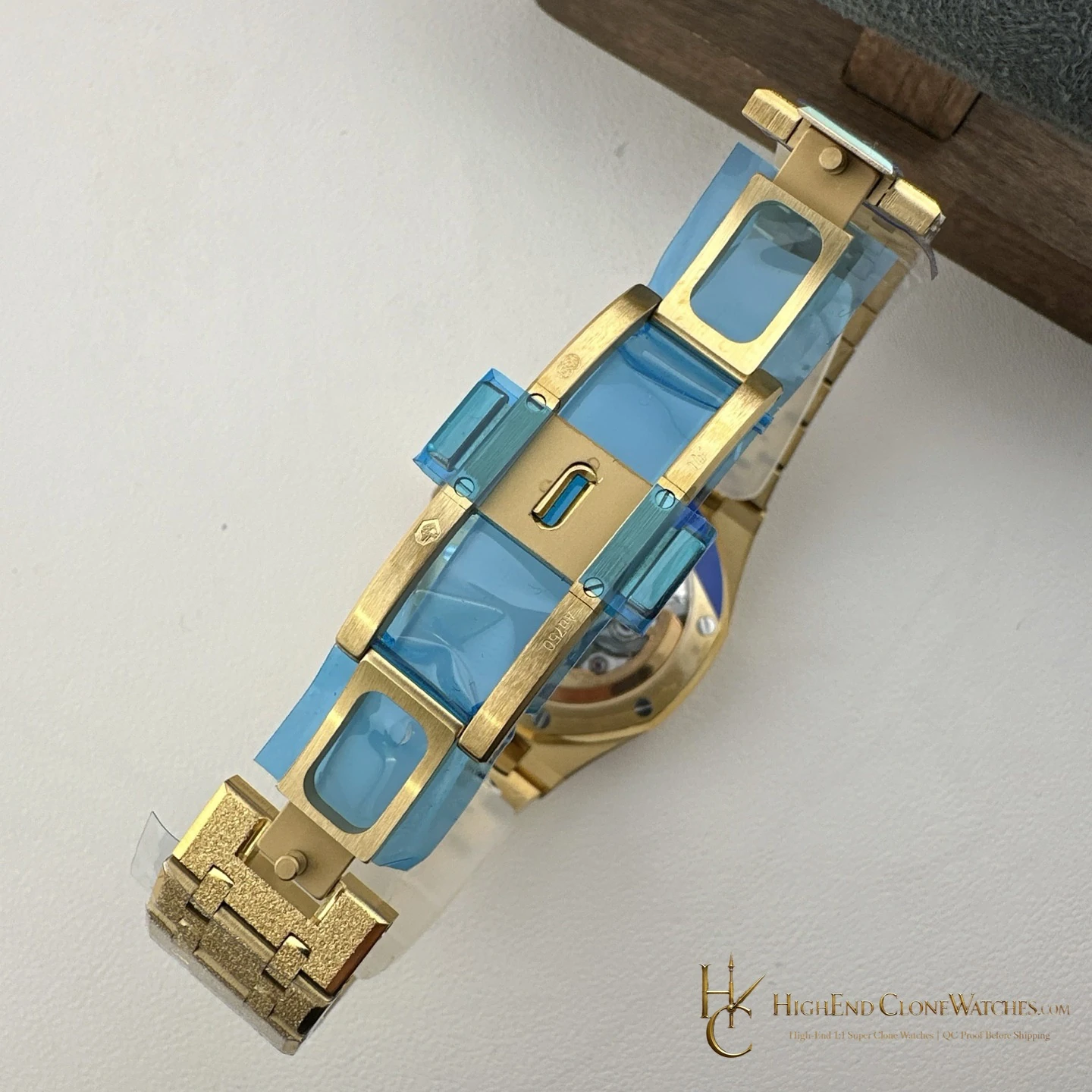
QC should begin with the gold-tone dial: check register spacing, hand and marker alignment, date-window placement and consistent colour across the front and angled views. Then inspect bezel screw symmetry, pusher and crown alignment, case edge finishing, bracelet end links, articulation and clasp closure. For a chronograph, the sub-dials must look intentional and evenly seated within the dial pattern.

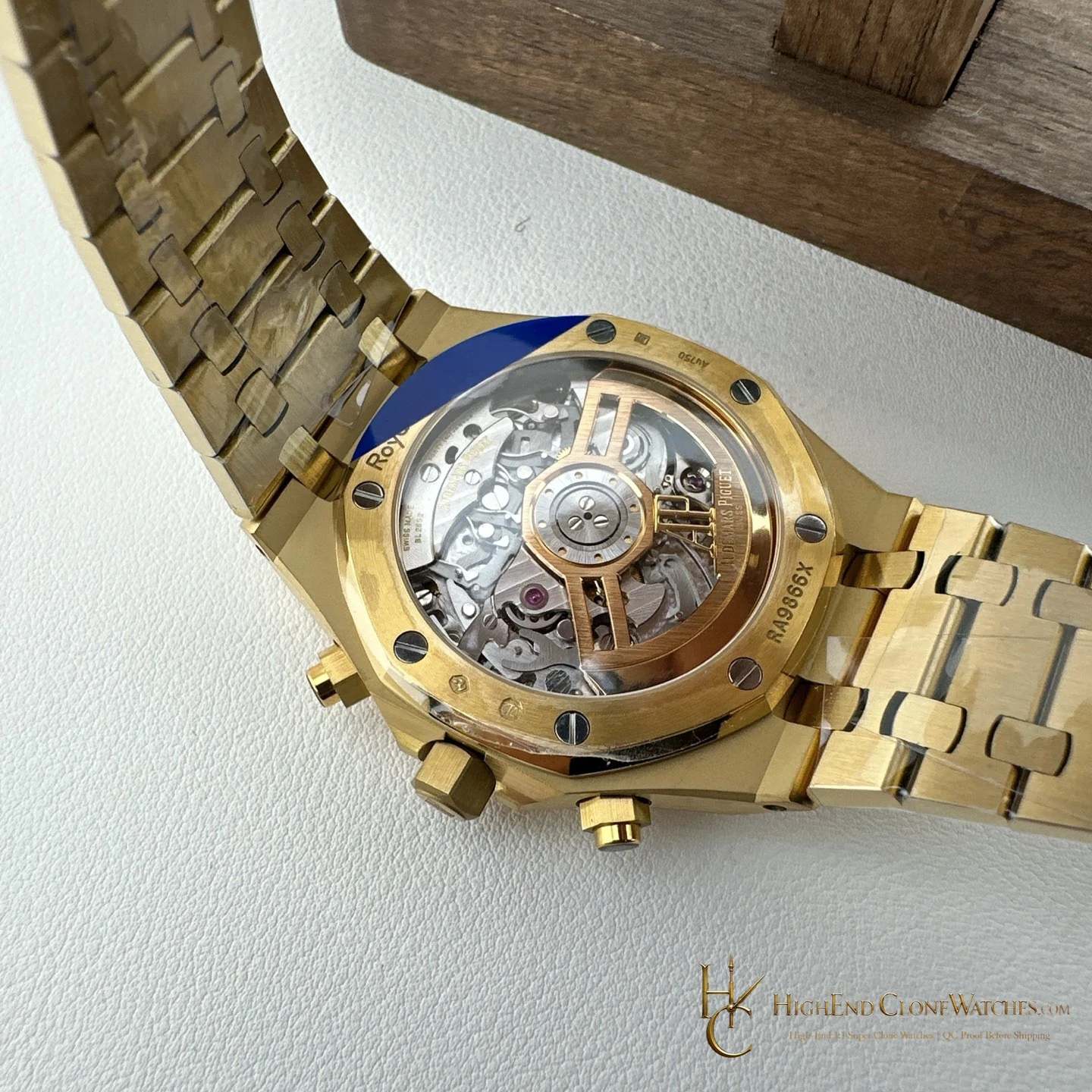
Ask for a straight-on dial photograph plus angled case, pusher, caseback and bracelet views. The tone should remain coherent, the registers should stay centered, and the integrated bracelet should close in line with the case.

The essential final review is the relationship between the gold-tone dial and the three dark registers. Check that each register sits evenly, then confirm bezel-screw symmetry, pusher alignment, bracelet fit and clasp closure so the warmer chronograph layout remains deliberate from every angle.

Questions to settle before ordering

Why choose the 26240BA over a steel 26240?

The gold-tone palette makes the chronograph a more visible statement, while blue or black steel versions are easier to keep understated. Choose by intended setting as much as by dial colour.

What should I inspect on the chronograph dial?

Check the spacing and alignment of all three dark registers, the date window, applied markers and central hands. These details determine whether the busy dial reads as one coherent layout.

What should QC proof show?

Request front and angled dial views plus pusher, crown, caseback and bracelet photographs confirming tone consistency, register alignment, bezel symmetry and clasp closure.

Review the exact configuration before it leaves.

Use model-specific QC proof to confirm the visible details and stated functions that informed your choice.

Contact Support

QC proof before dispatch