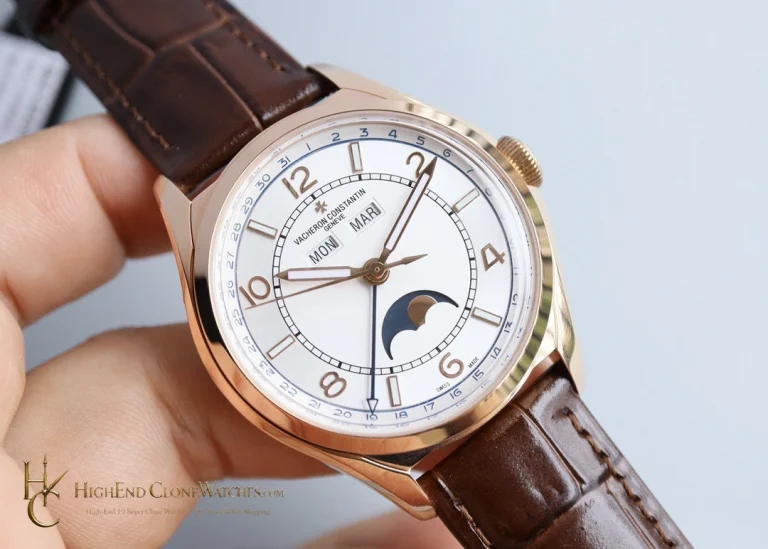
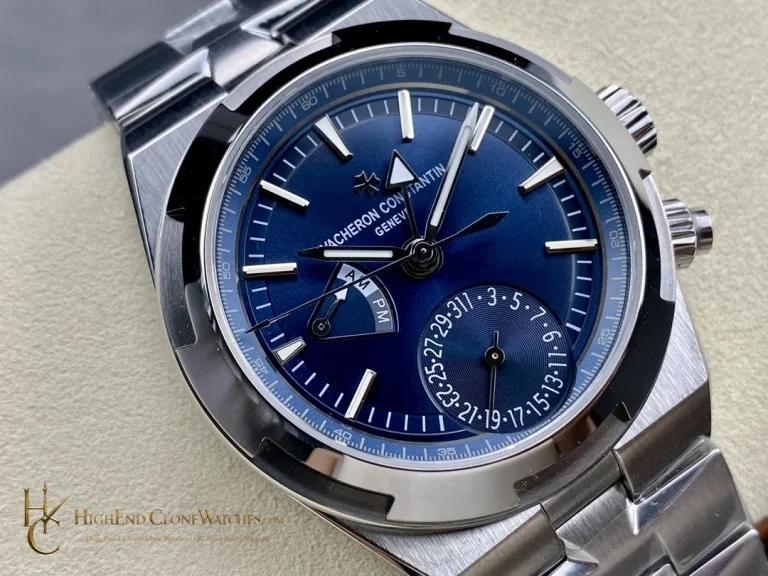
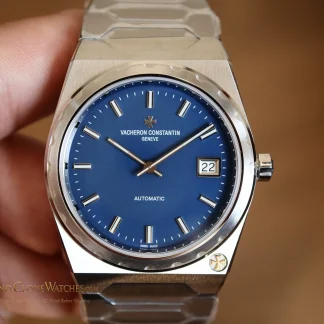
B935 moves the same family toward gold-tone warmth and stronger evening presence. B934 is the cooler selection when the bracelet architecture should feel integrated and the dial should carry the color. Compare the two by wrist mood, not by a generic claim of versatility.
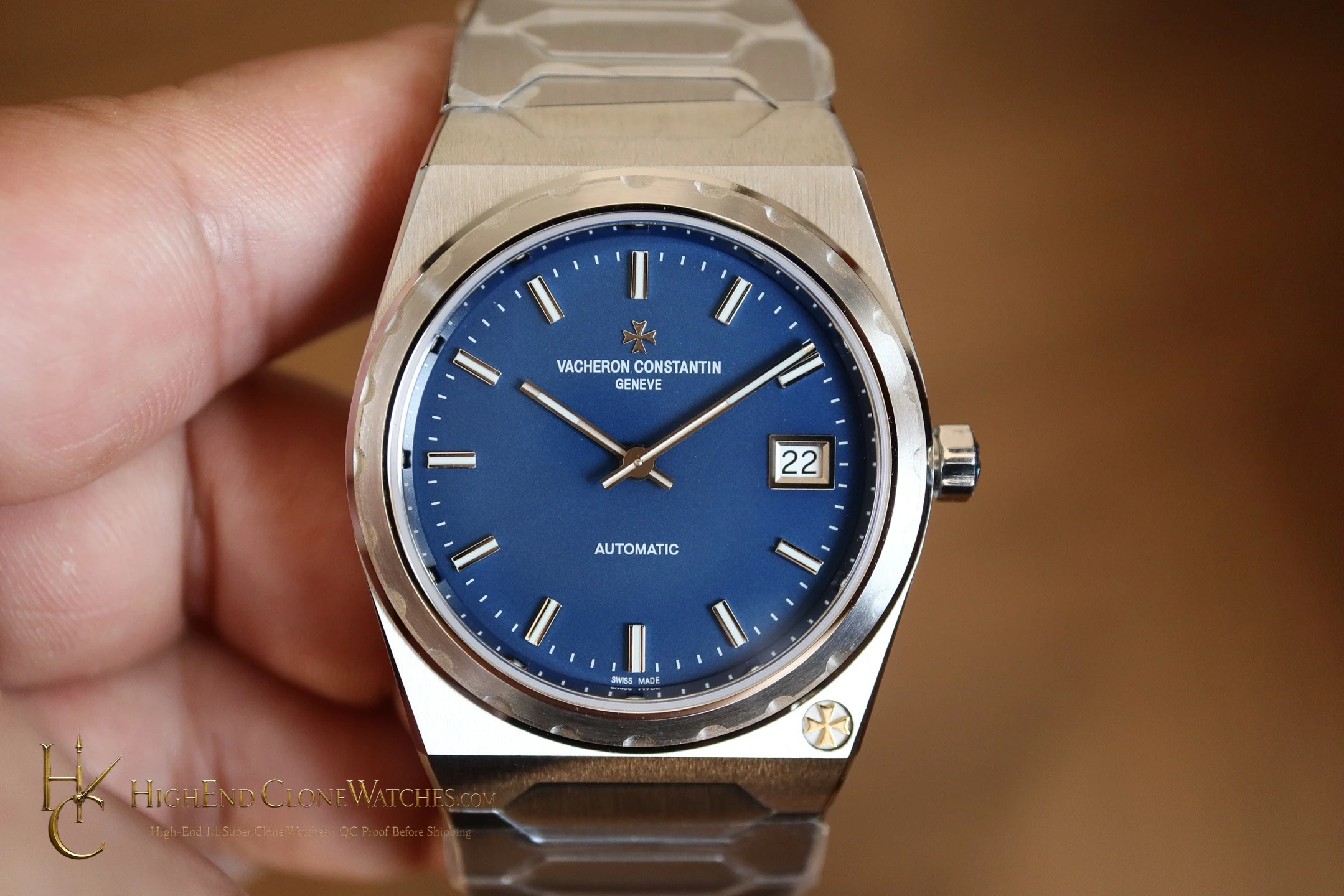
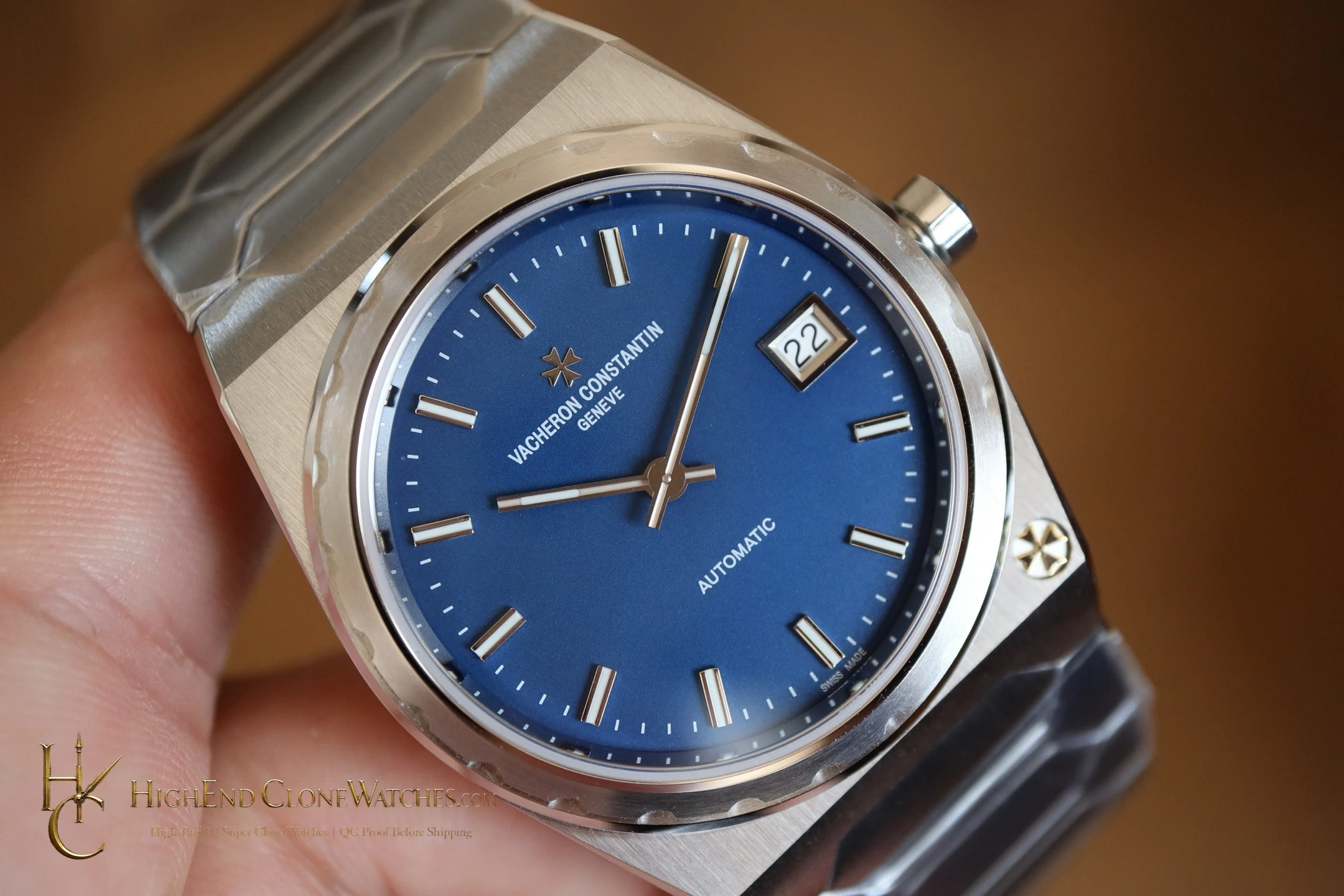
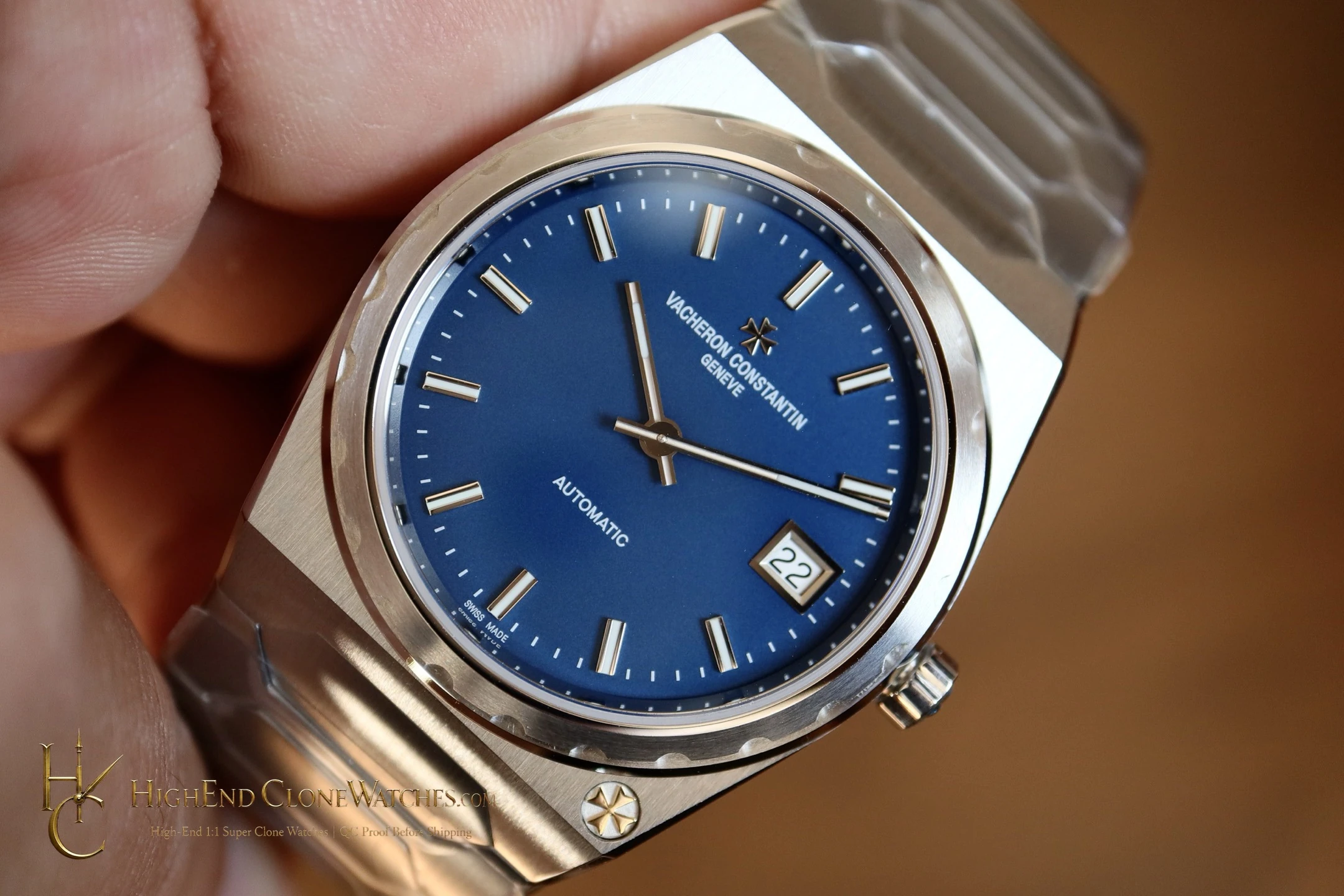
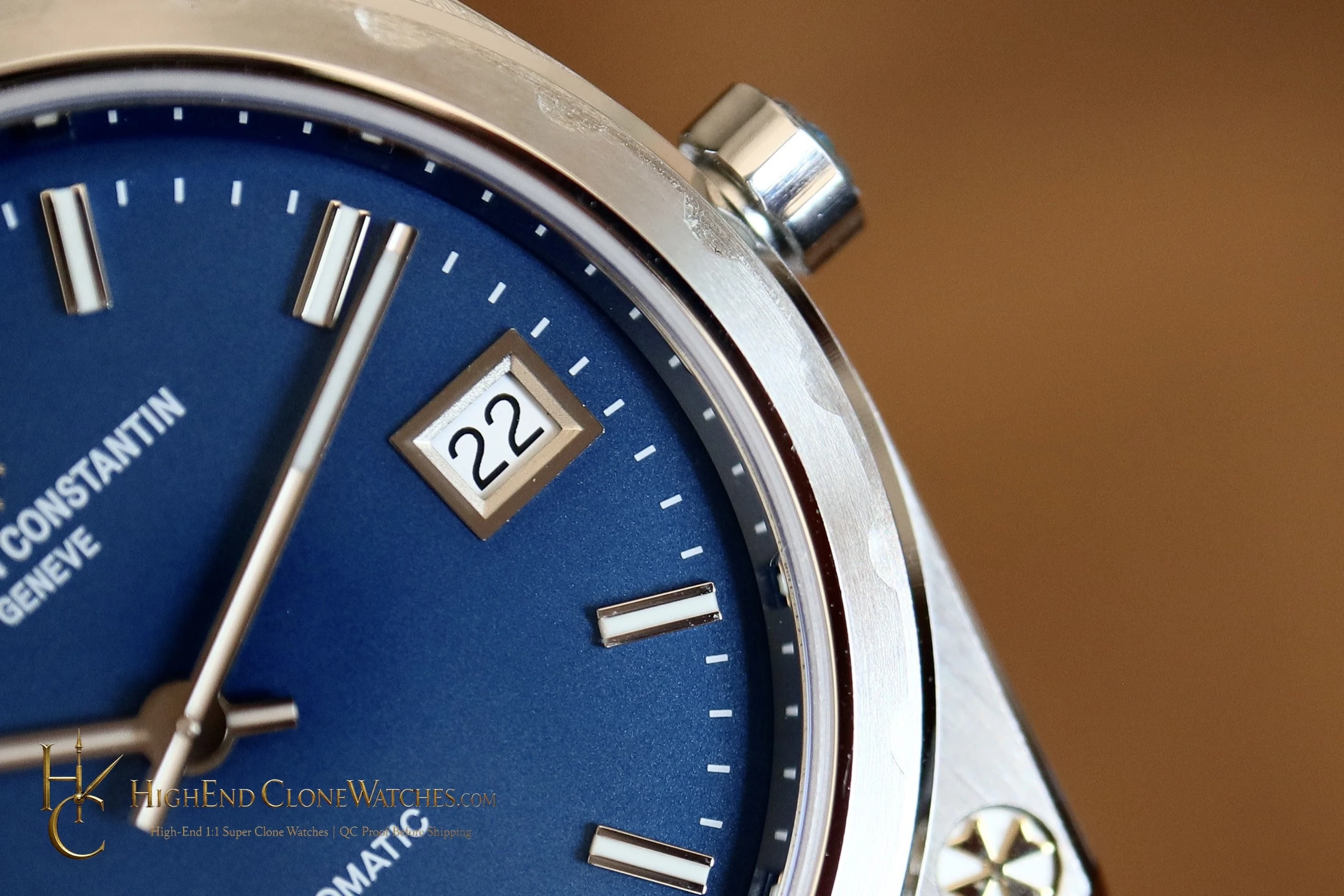
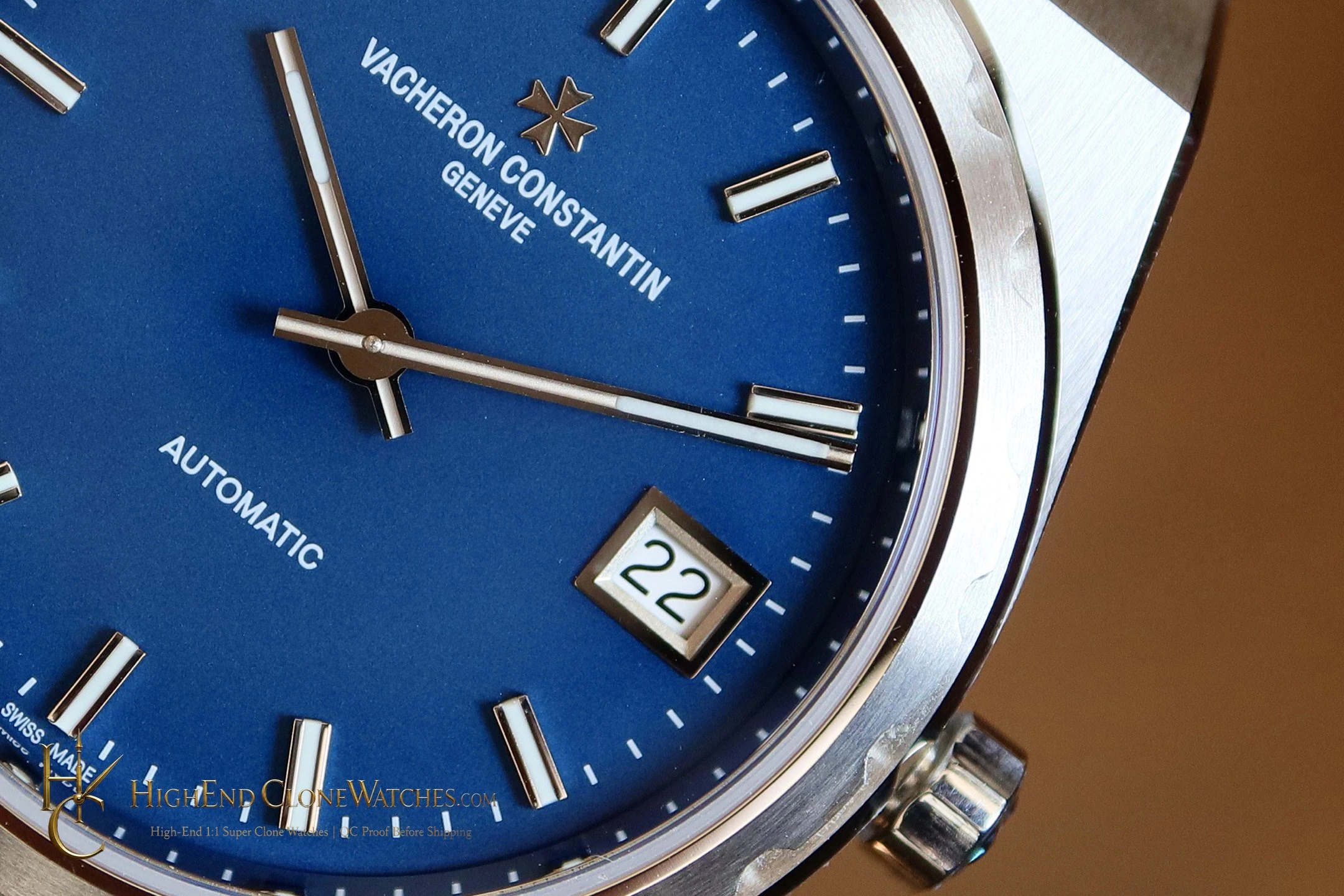
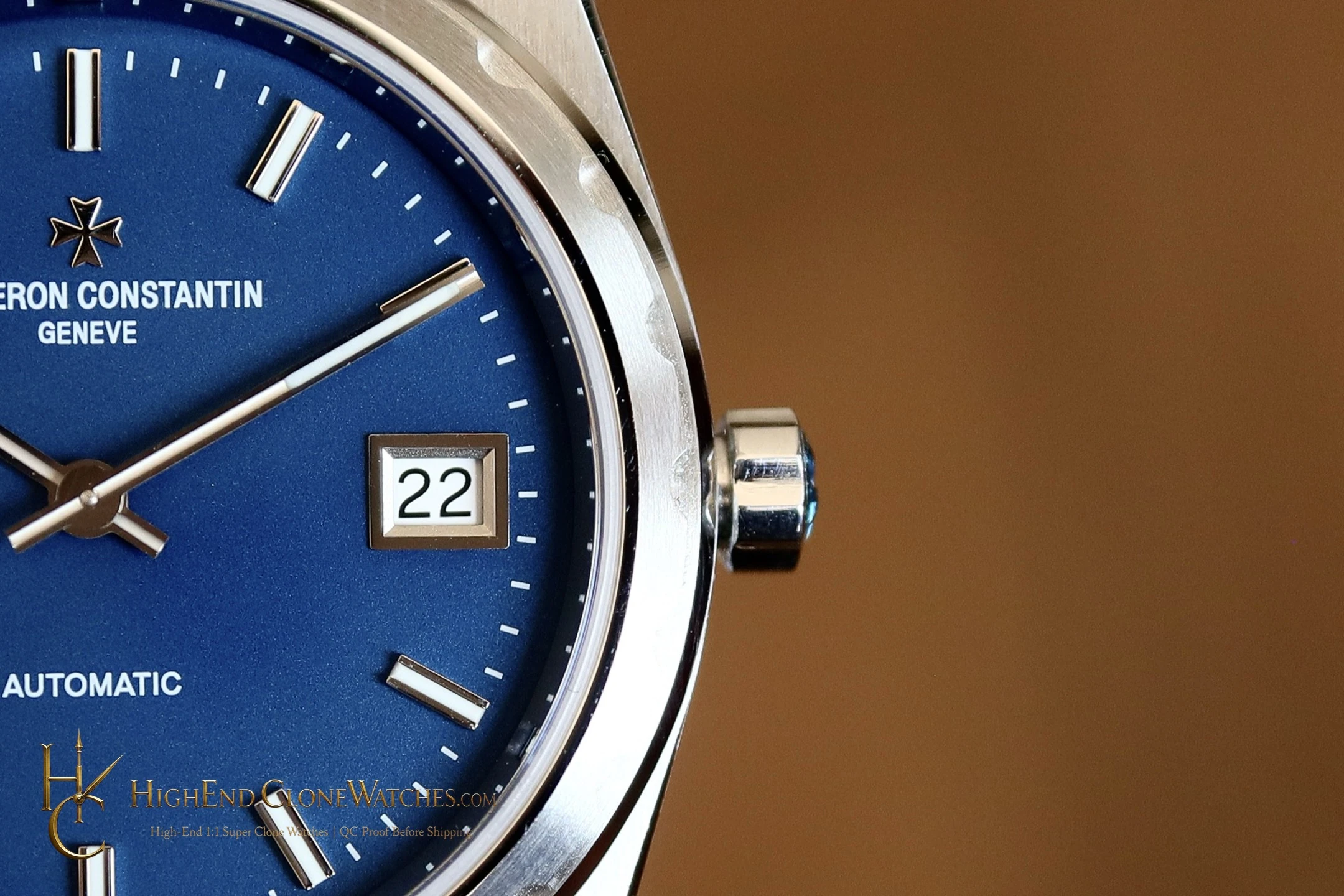
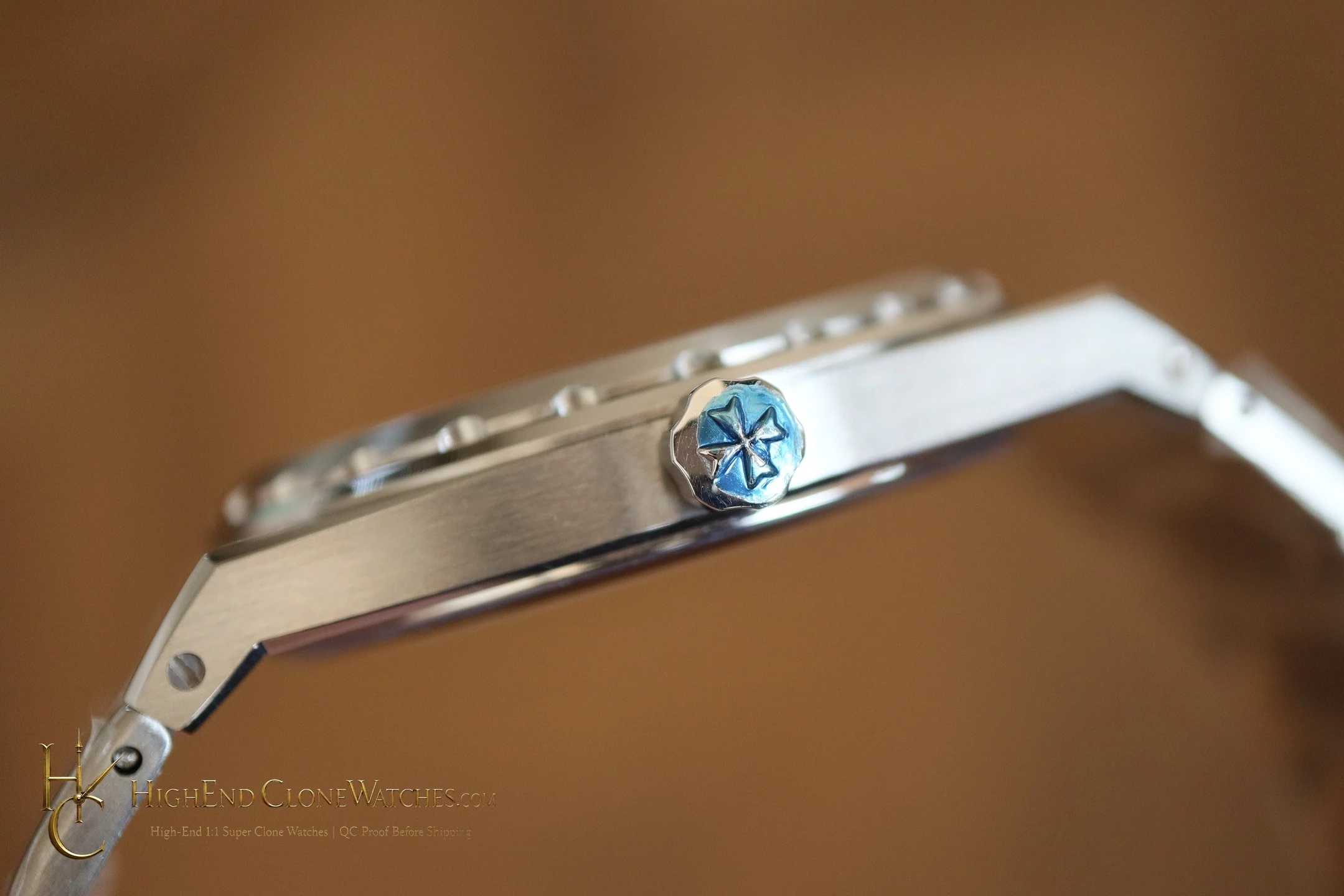
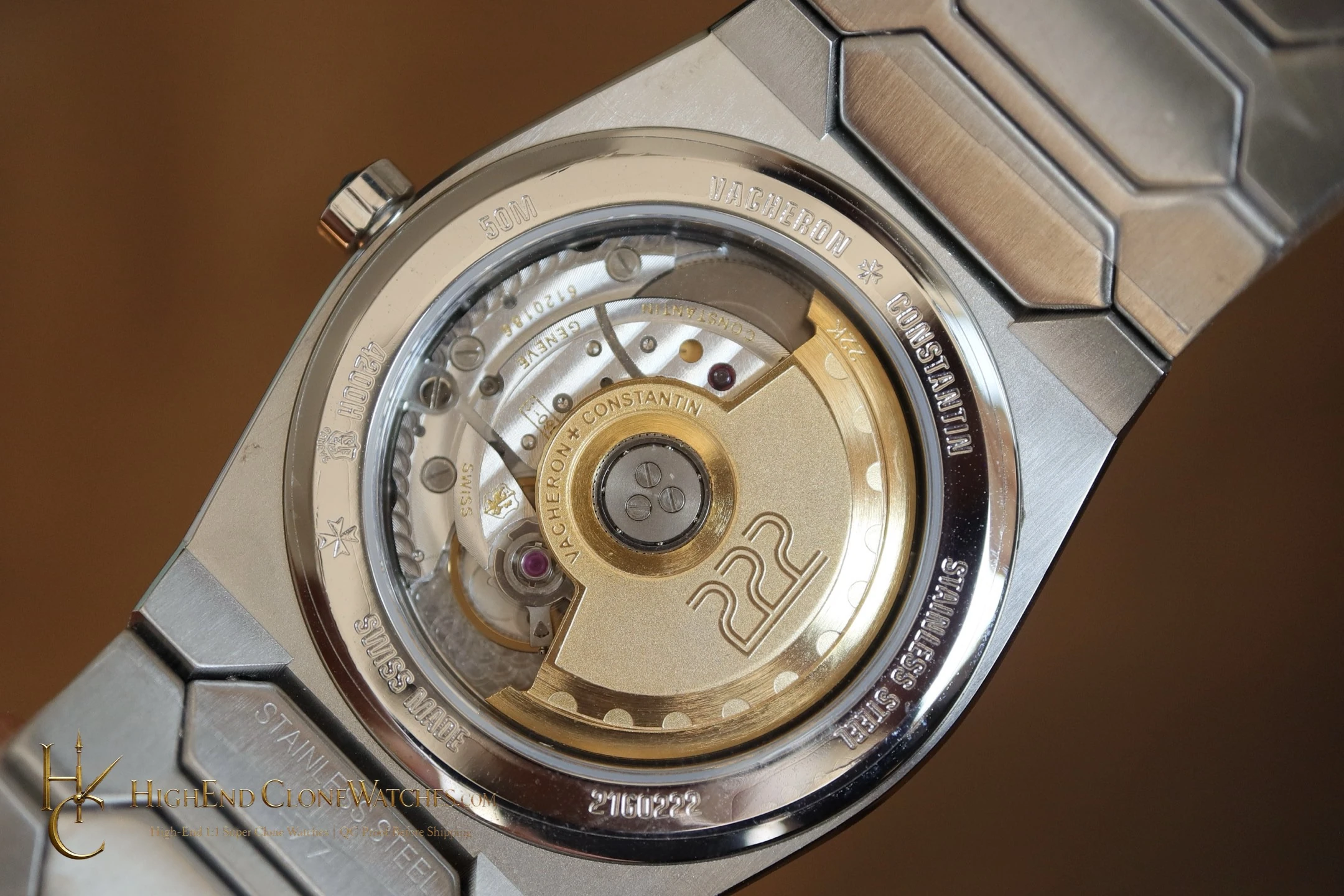
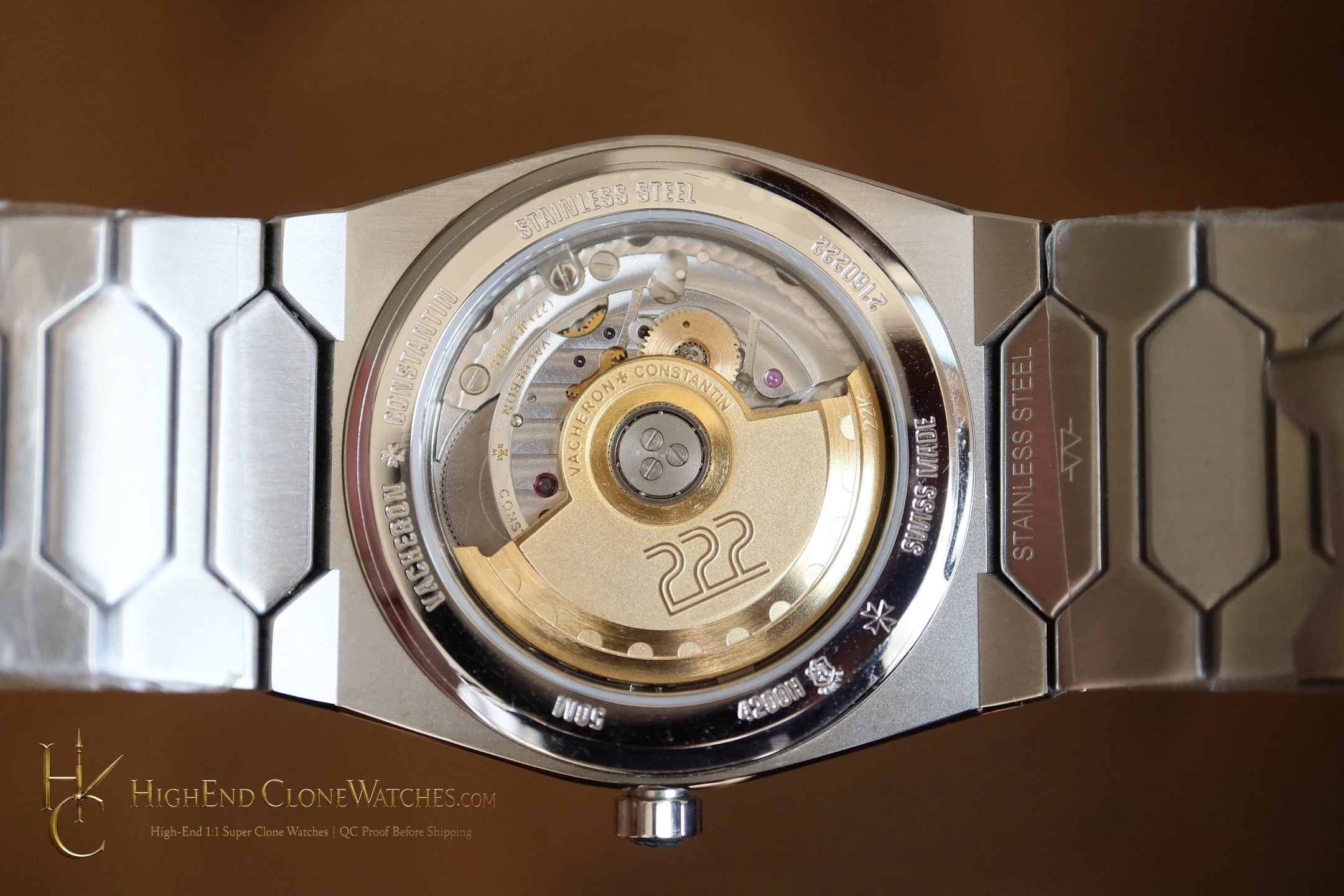
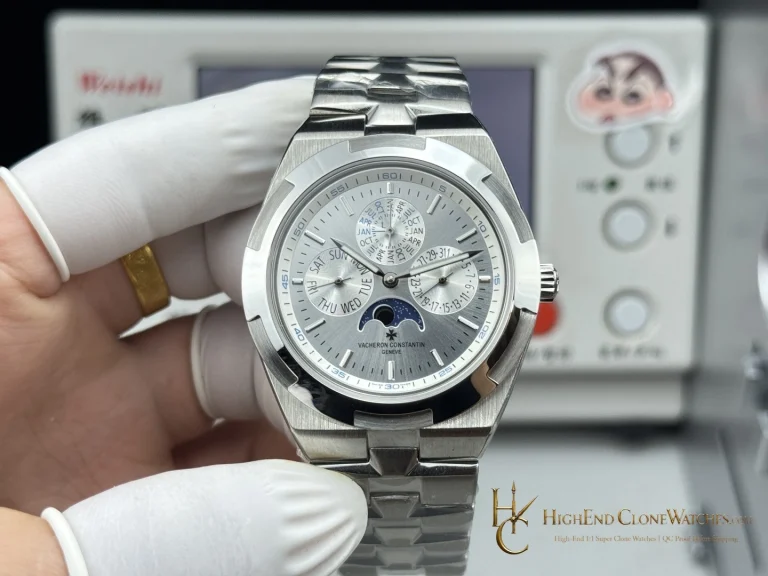
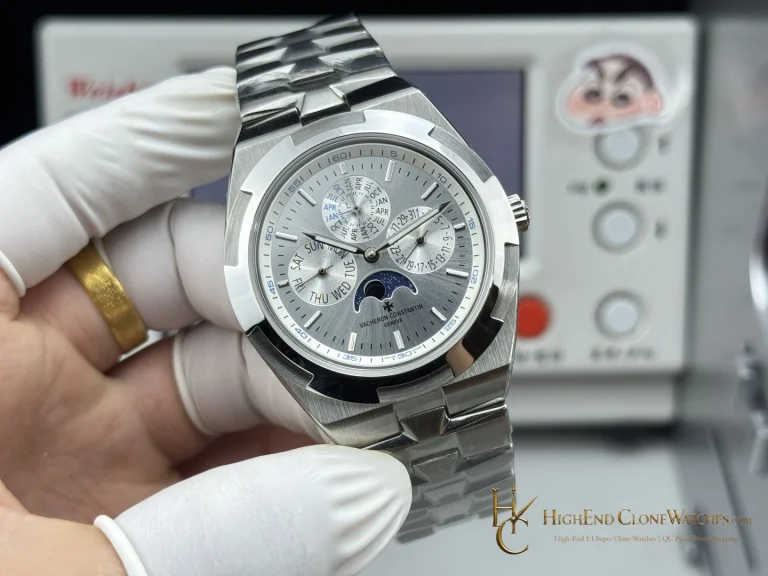
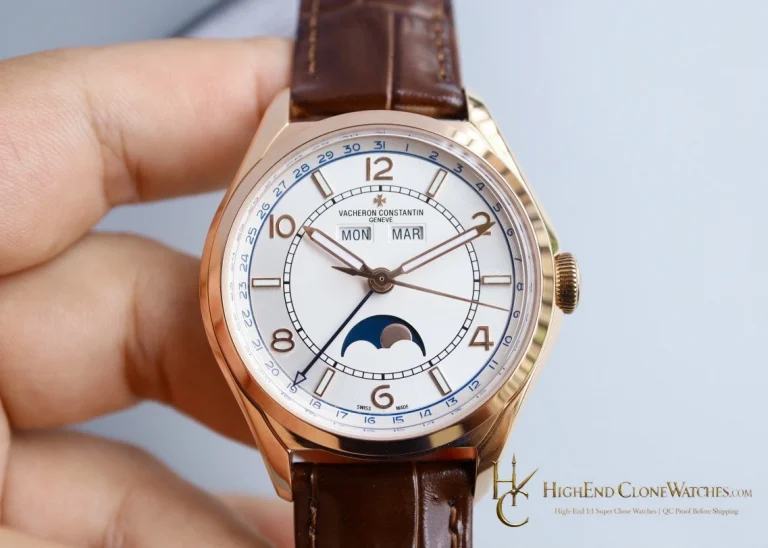
Use the front view to assess the defining dial surface, then use the angled and closure views for the case, bezel, and strap or bracelet details specific to this reference.
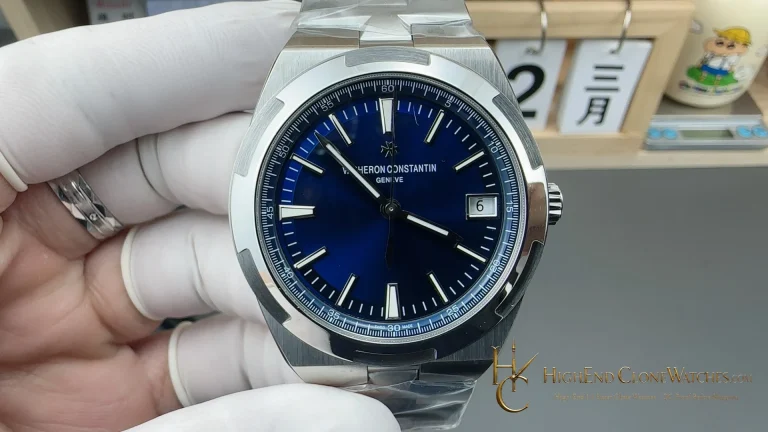
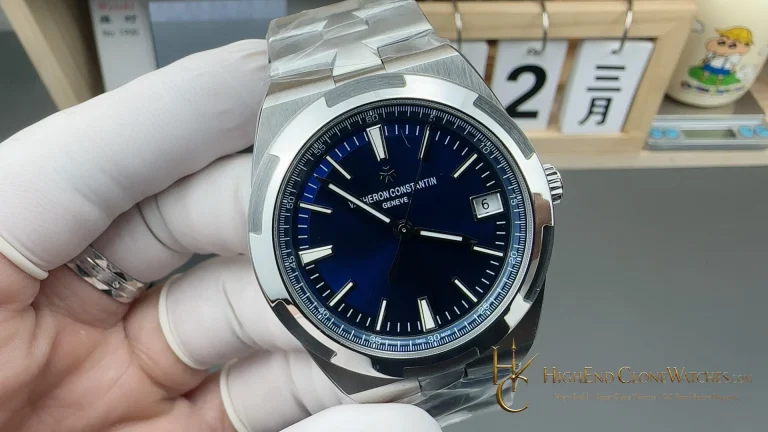
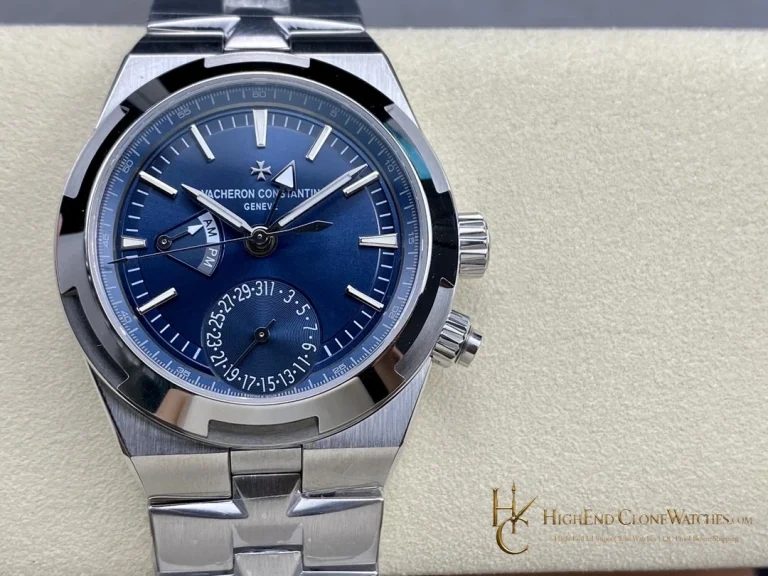
The steel B934 works because each part reinforces the same cool, compact idea. The matte blue surface is the color cue, the fluted-notch bezel gives it a precise frame, and the hexagonal links extend the case language instead of interrupting it. This suits a buyer who wants the 222 silhouette without the stronger warmth of B935. The 37mm size and 44mm lug-to-lug note also matter: this is a compact integrated-bracelet profile, not a broad sports-watch presentation. Use the straight-on image to judge the blue dial and the angled bracelet images to inspect the case-to-link transition. The folding clasp should sit flush when closed and release cleanly when opened.
The B934 should be judged as a compact steel composition. The blue dial is not separate from the bracelet choice: the integrated links make the color feel more deliberate because there is no break between case and wrist line. That is the selection stake against B935, whose gold-tone treatment changes the mood immediately. Check the dial, bezel, and bracelet in the same light so the cool contrast remains coherent from the first image through the clasp view.
The blue dial should remain the first color cue, with the steel case and bracelet providing the calmer surrounding frame.