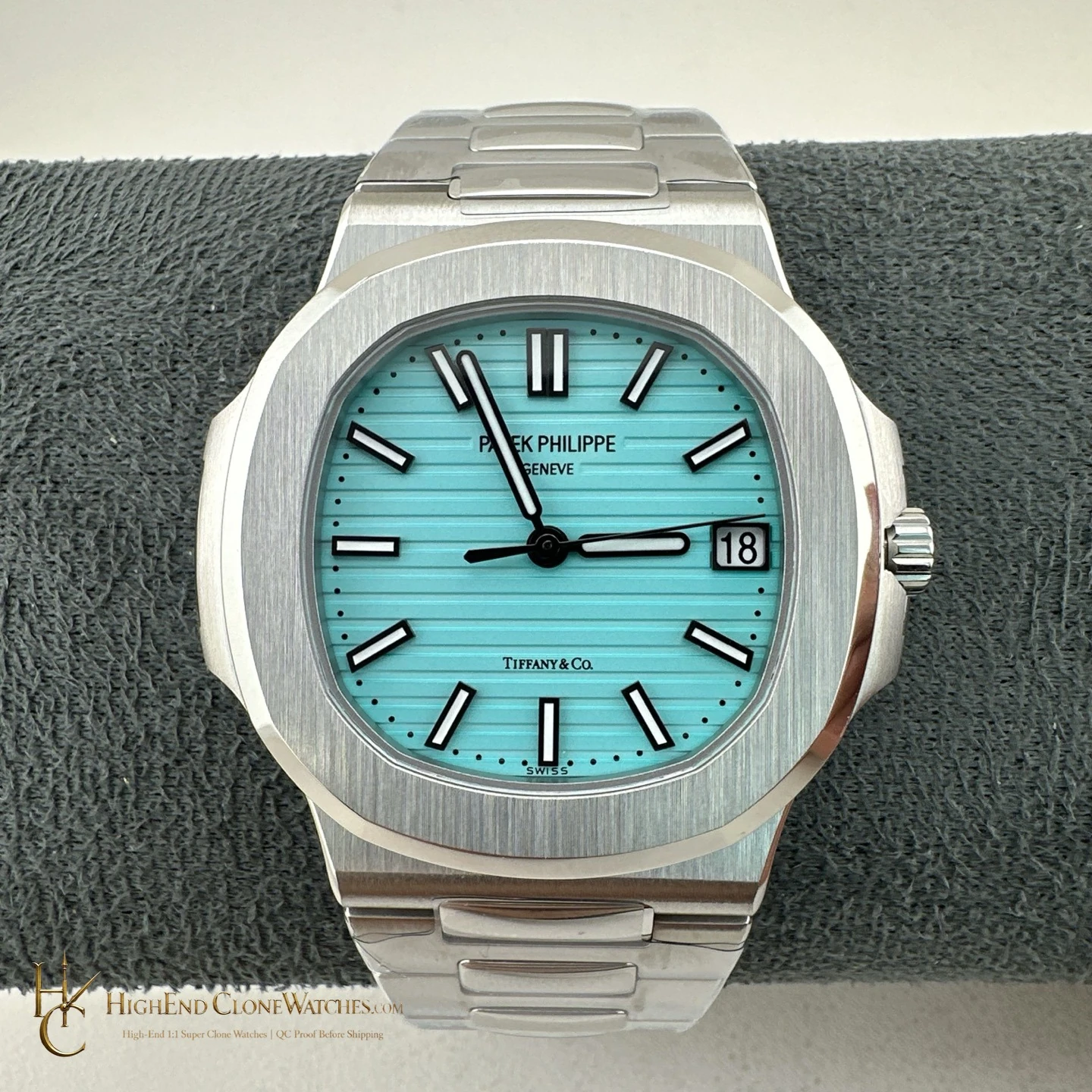
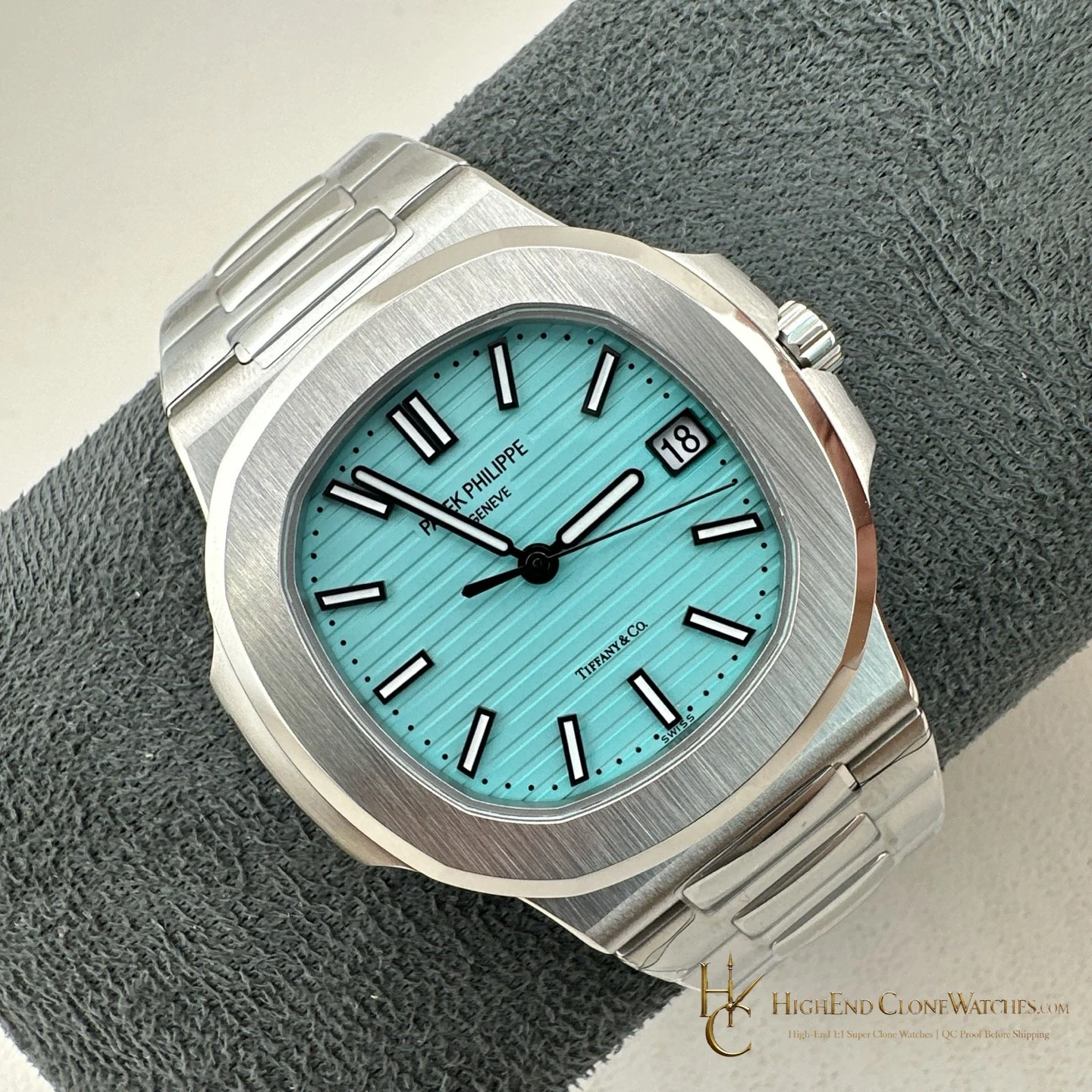
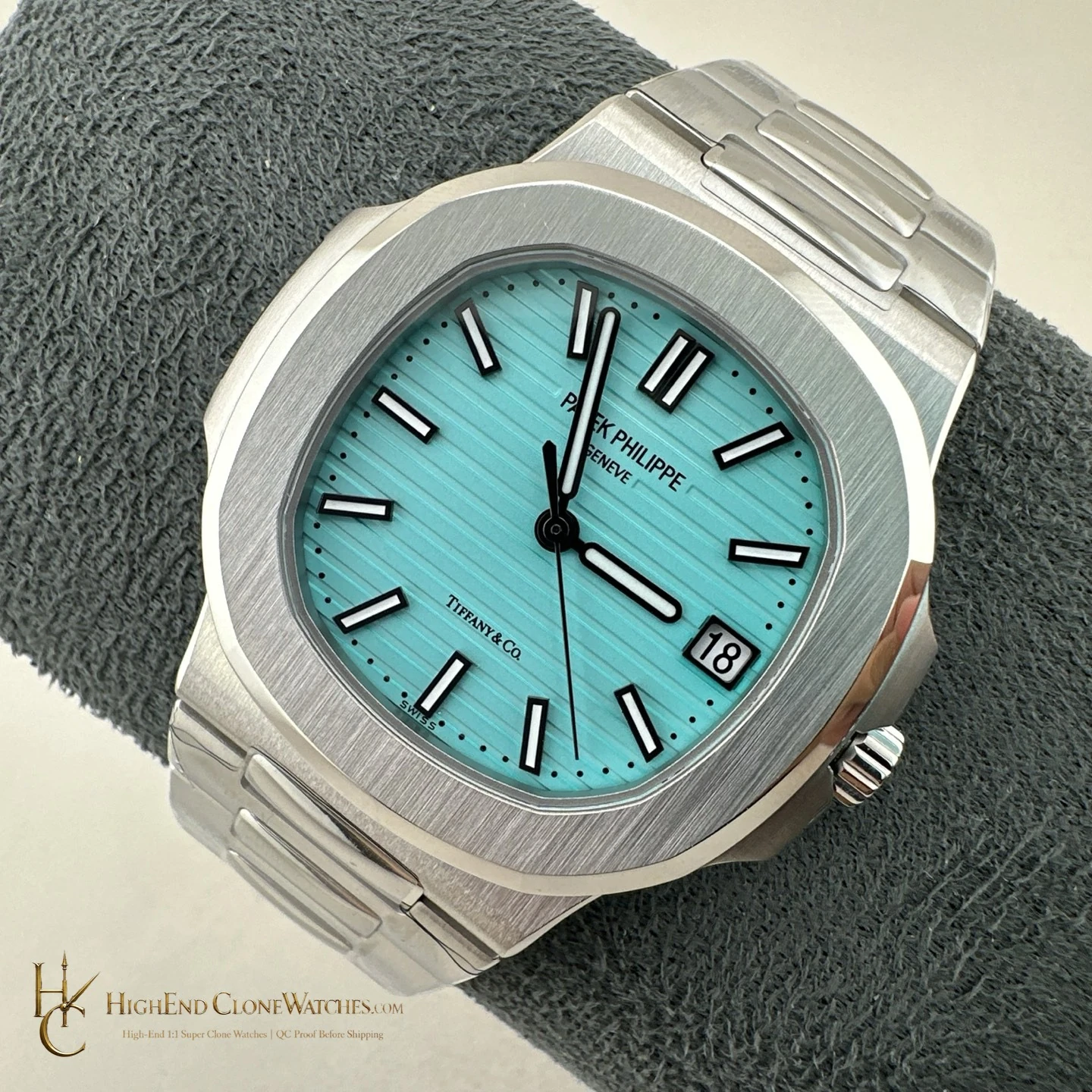
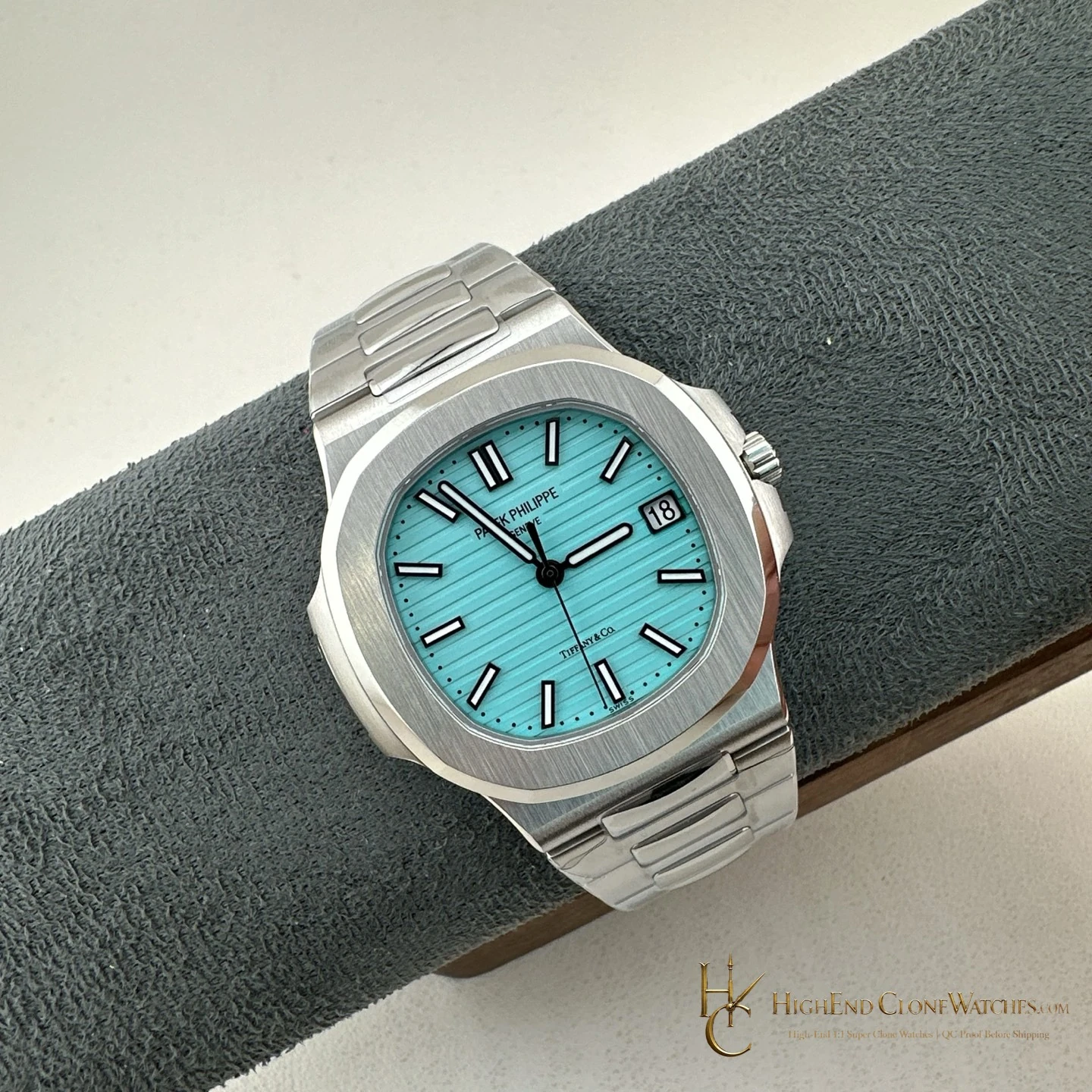
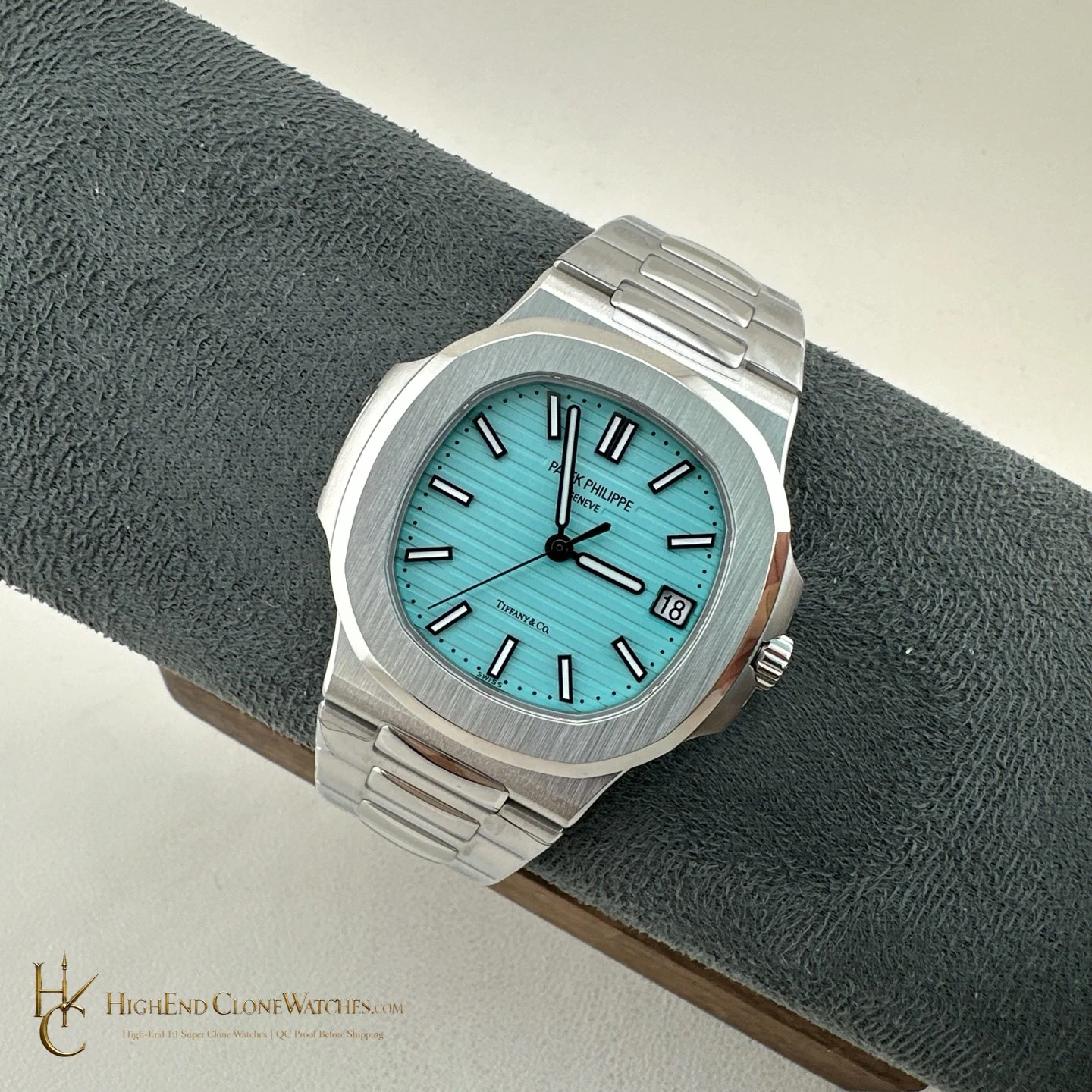
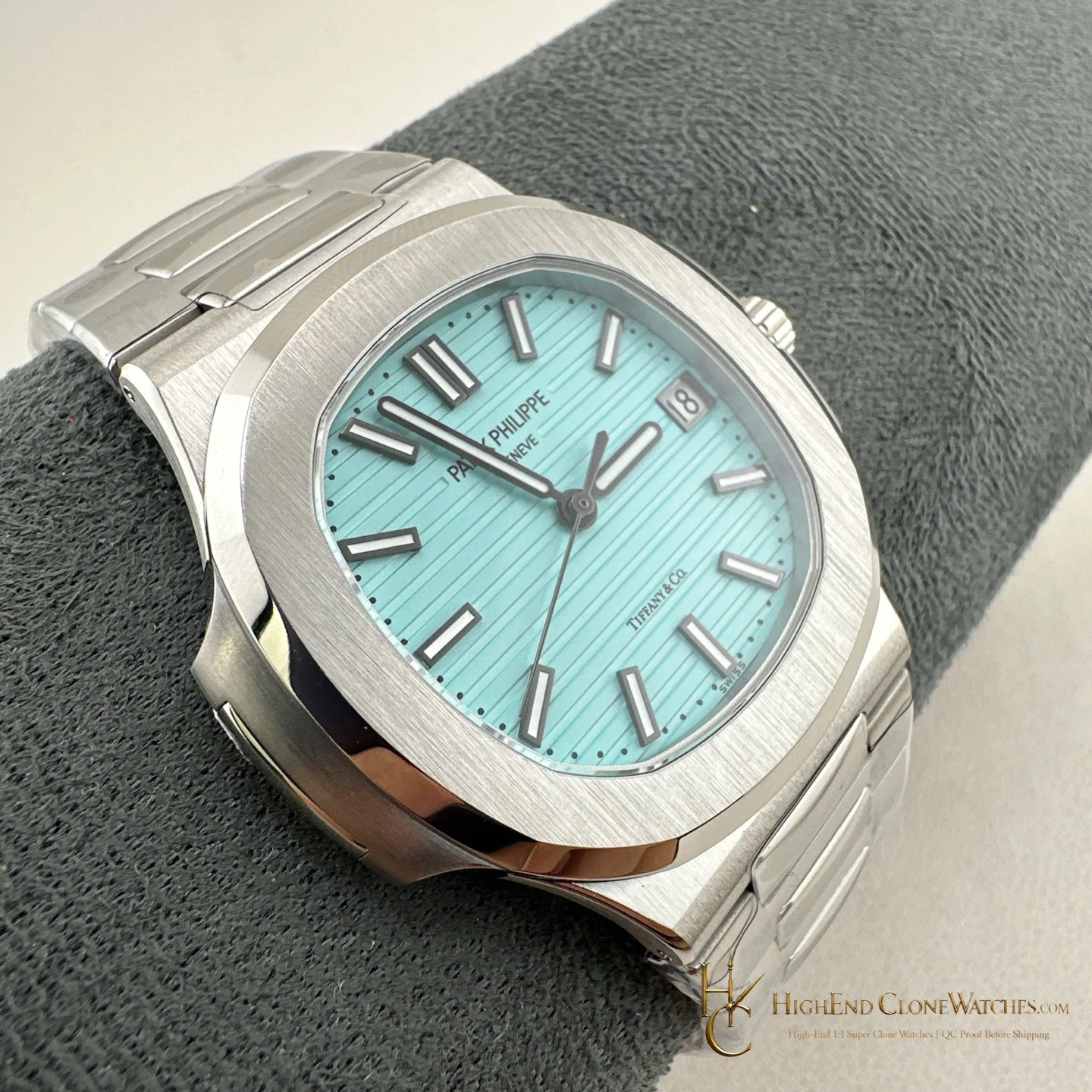
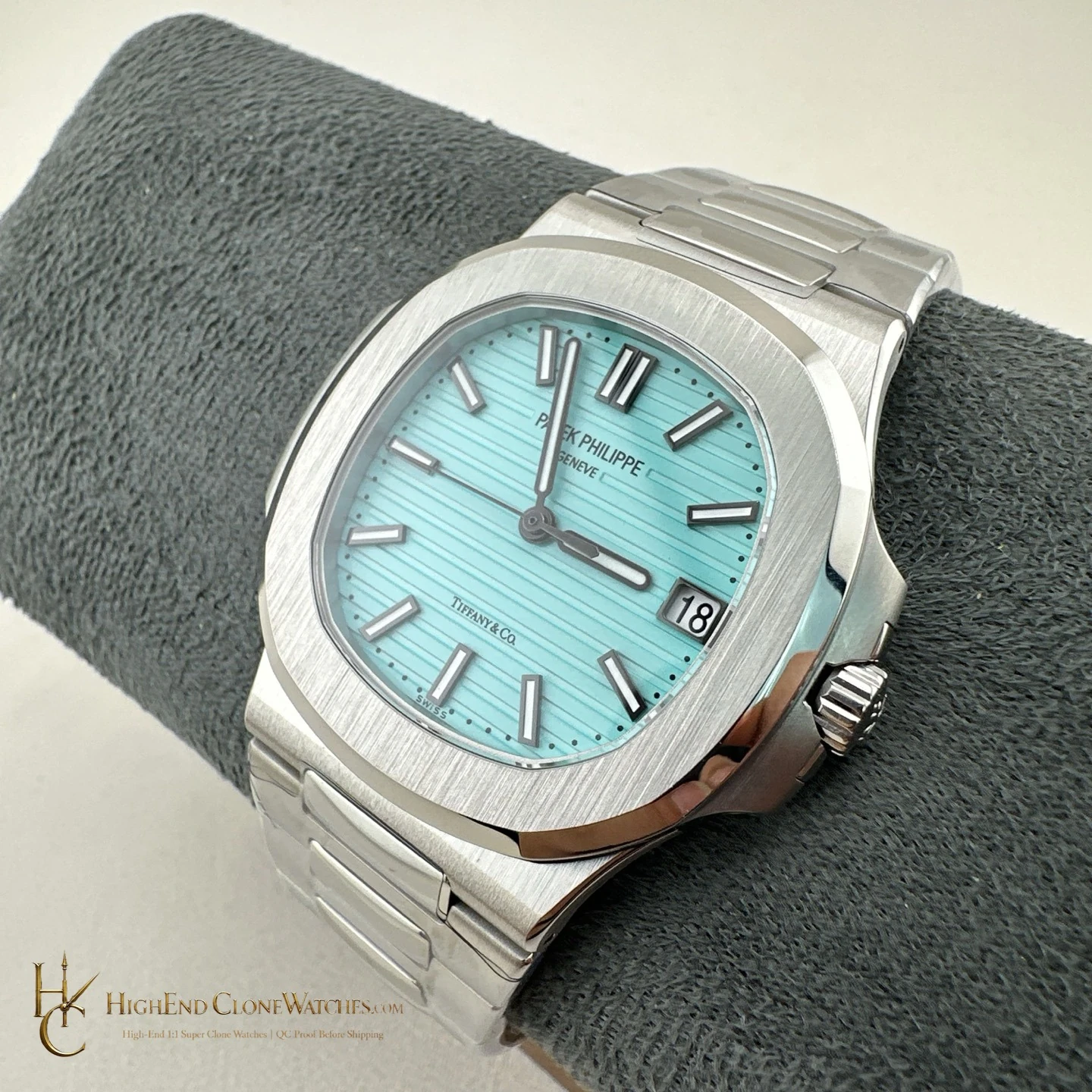
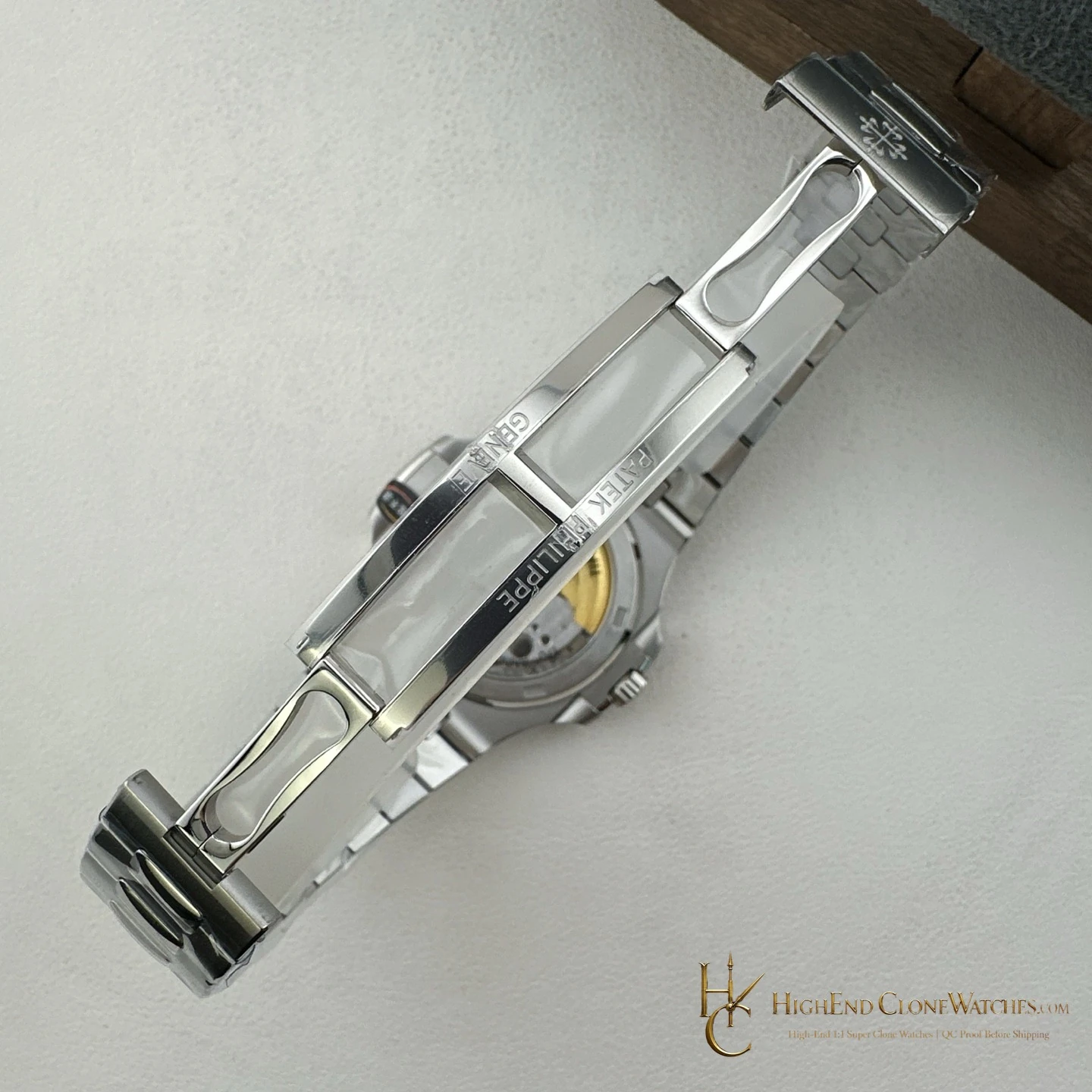
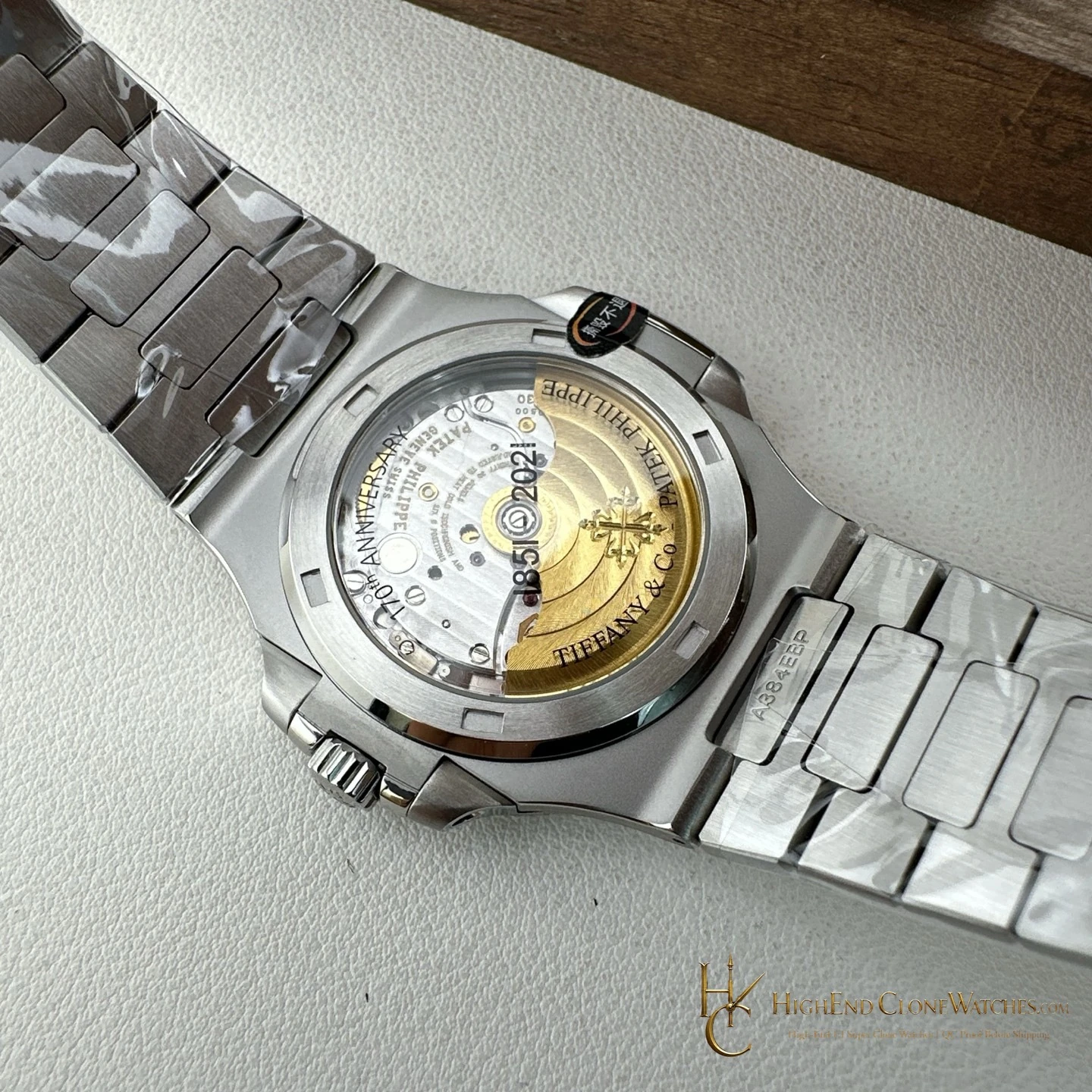
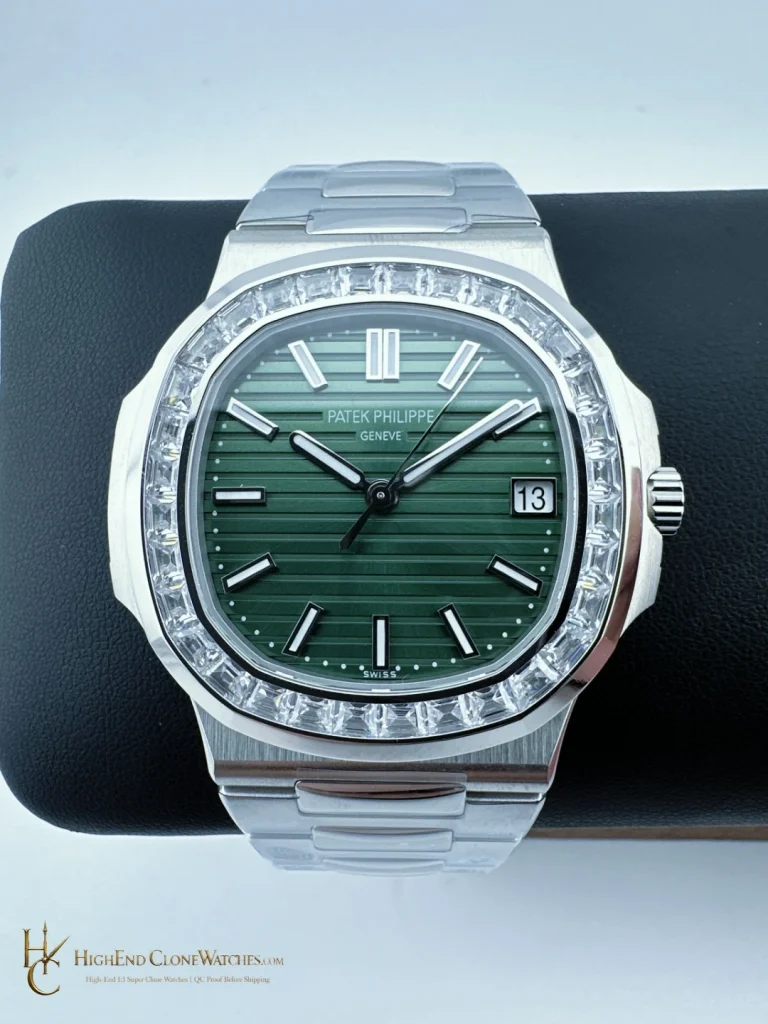
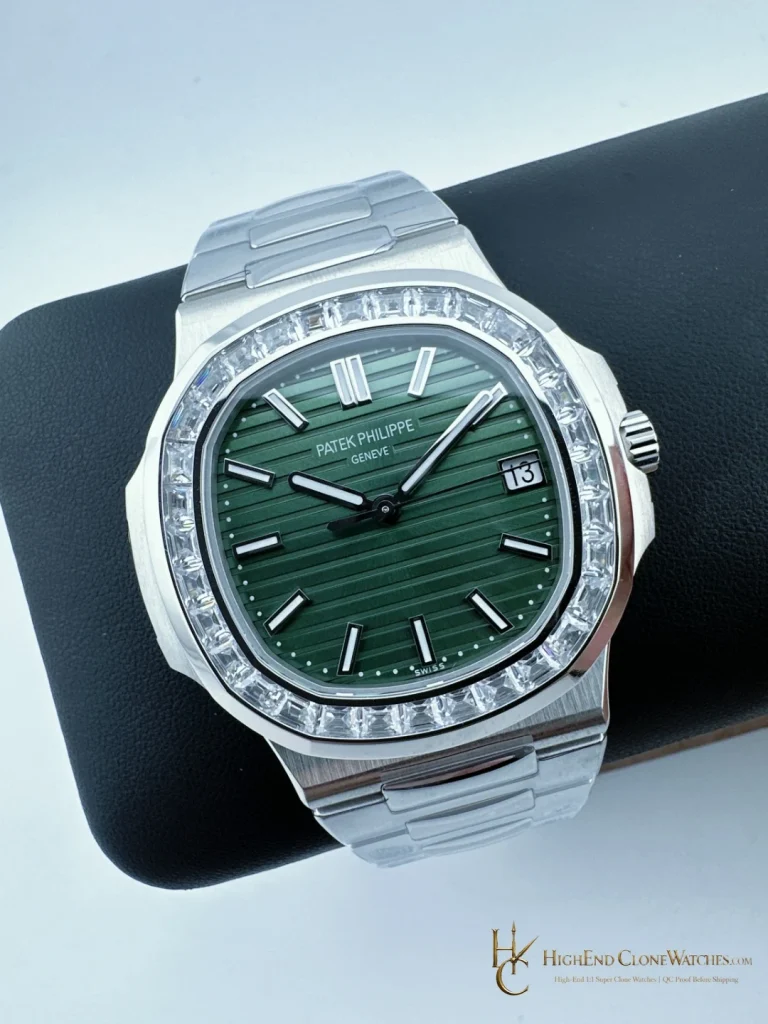
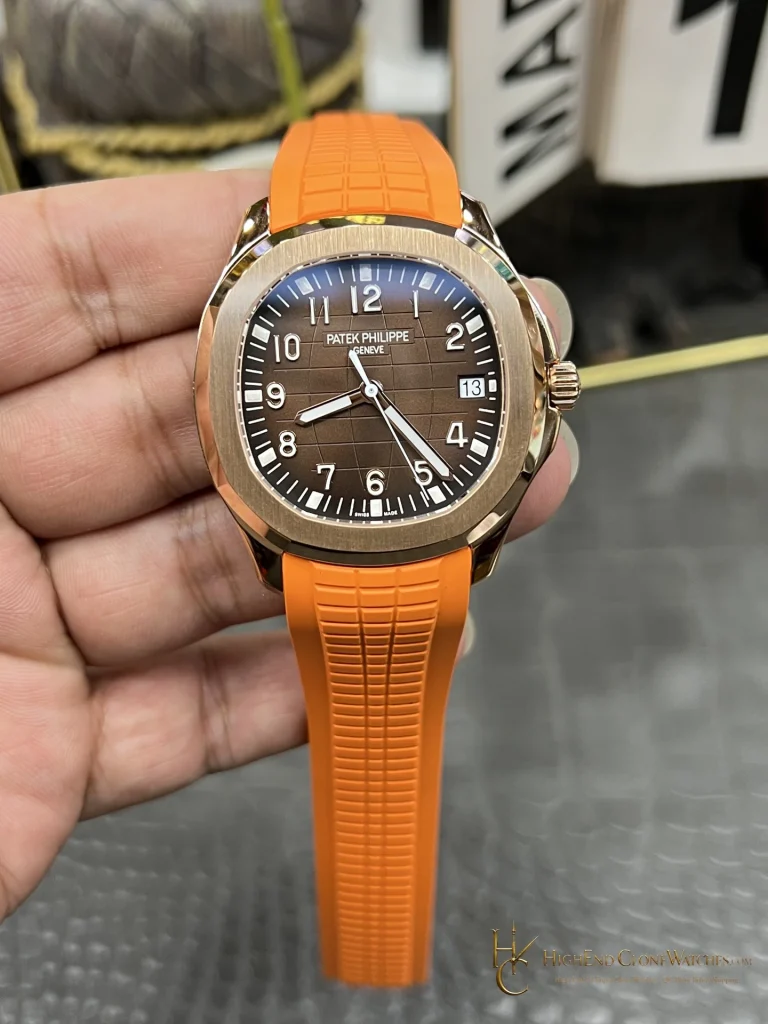
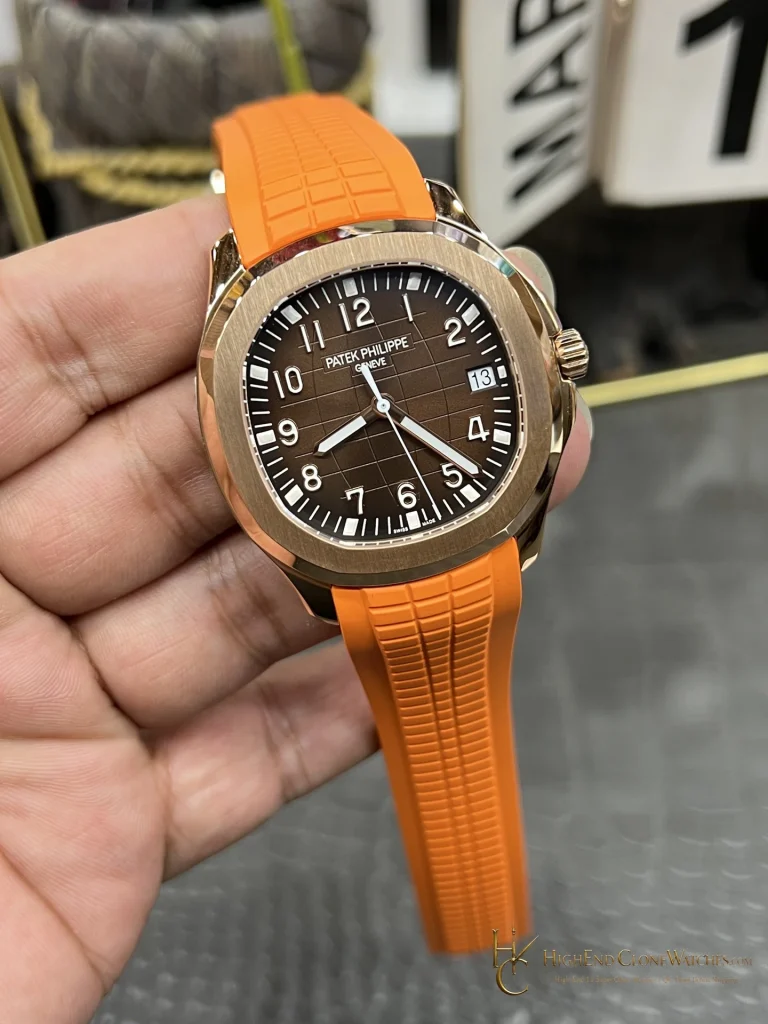
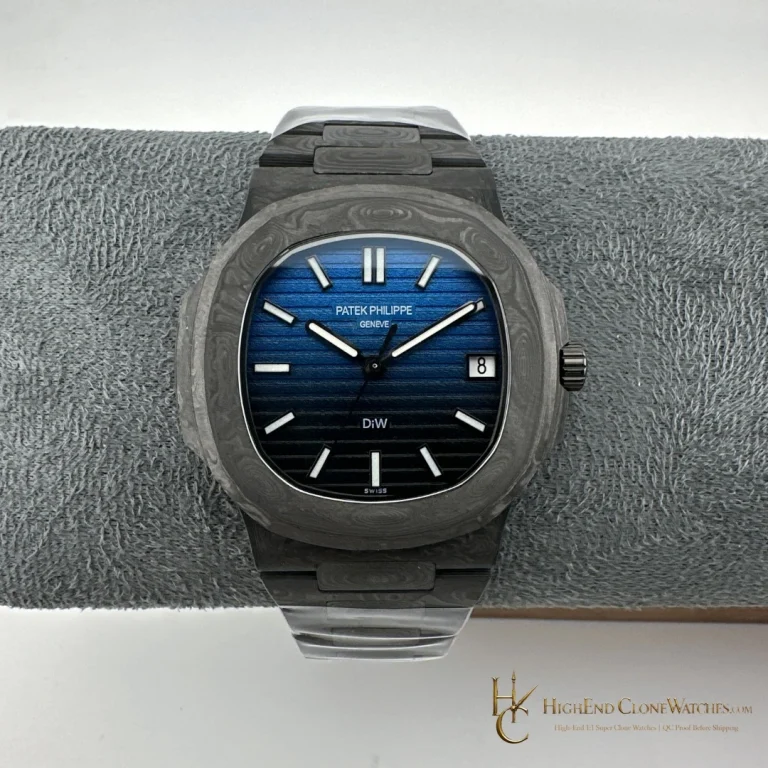
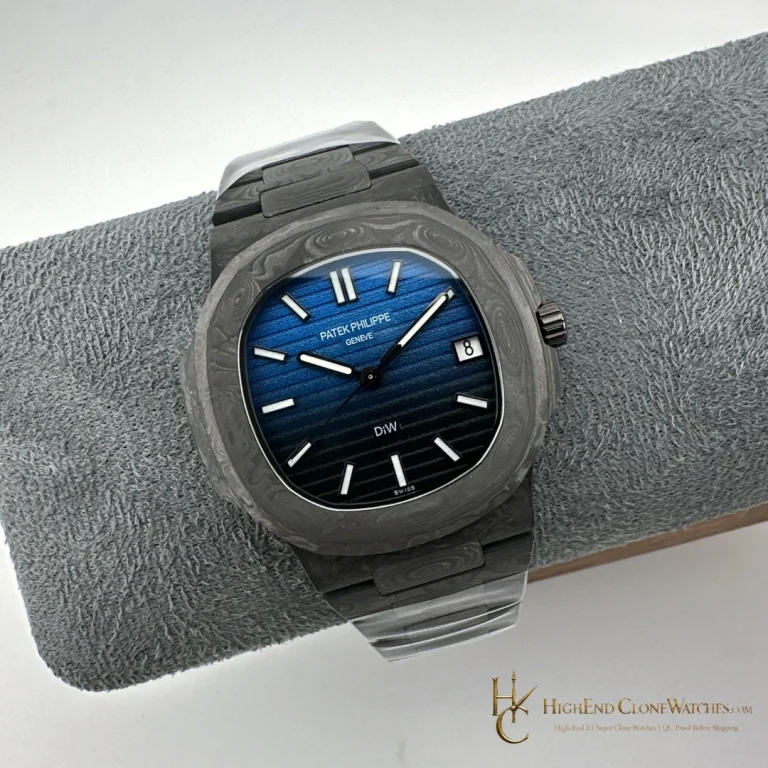
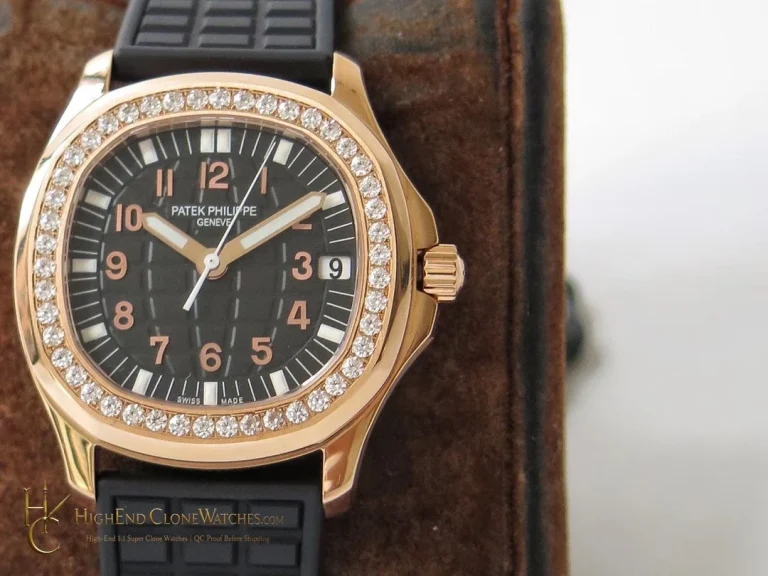
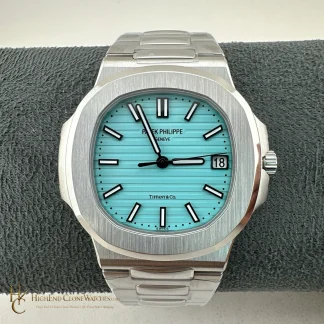
Use the straight-on view to check that the blue surface reads evenly and that the dial sits squarely within the case. The angled views should show consistent brushed-to-polished transitions on the bezel and clean case edges. Inspect the integrated bracelet at the lugs for an even fit, then confirm the fold-over clasp closes flush. These checks protect the particular reason to buy this reference: a bright dial carried by a controlled steel frame.
The light-blue choice is most useful when the watch is expected to carry an outfit rather than disappear into it. Check the front image in both direct and angled views for the way the lacquer color changes with reflection, then decide whether that presence fits the rotation. The side profile and bracelet images complete the practical question: whether the steel frame remains crisp enough to keep the vivid dial deliberate instead of loud.
That balance is why the reference belongs in a rotation built around deliberate color choices, not as a substitute for a neutral daily dial.