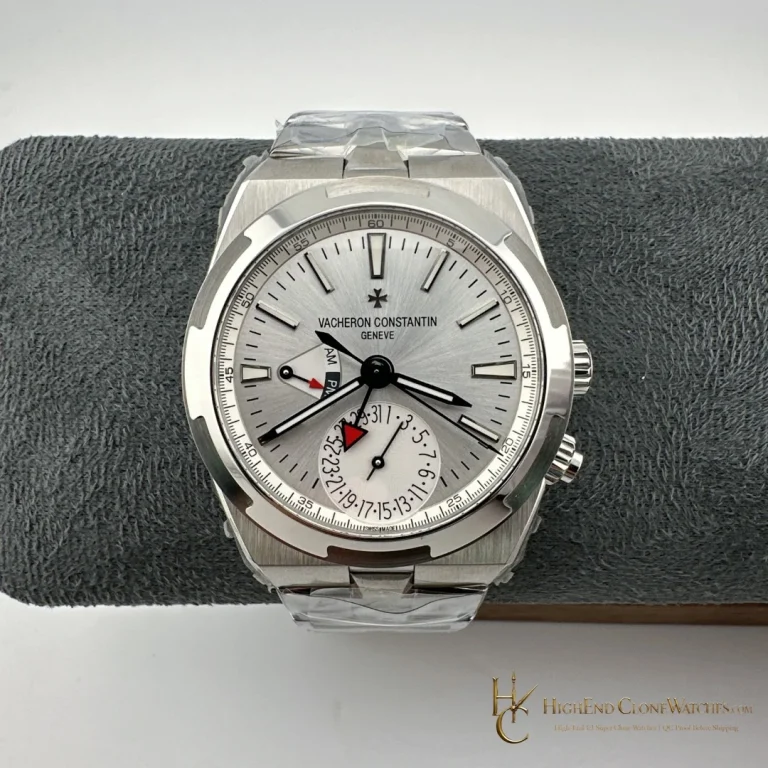
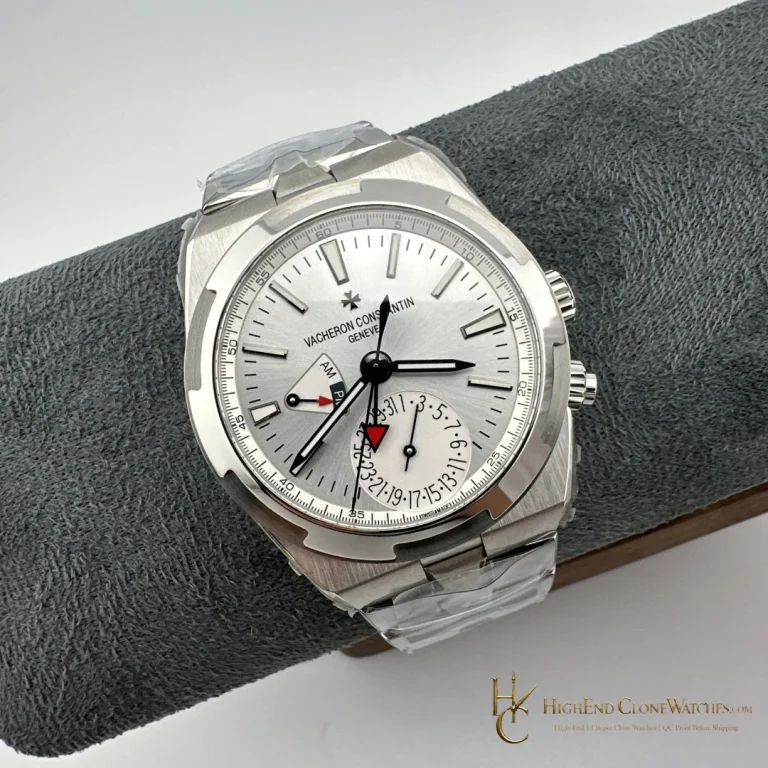
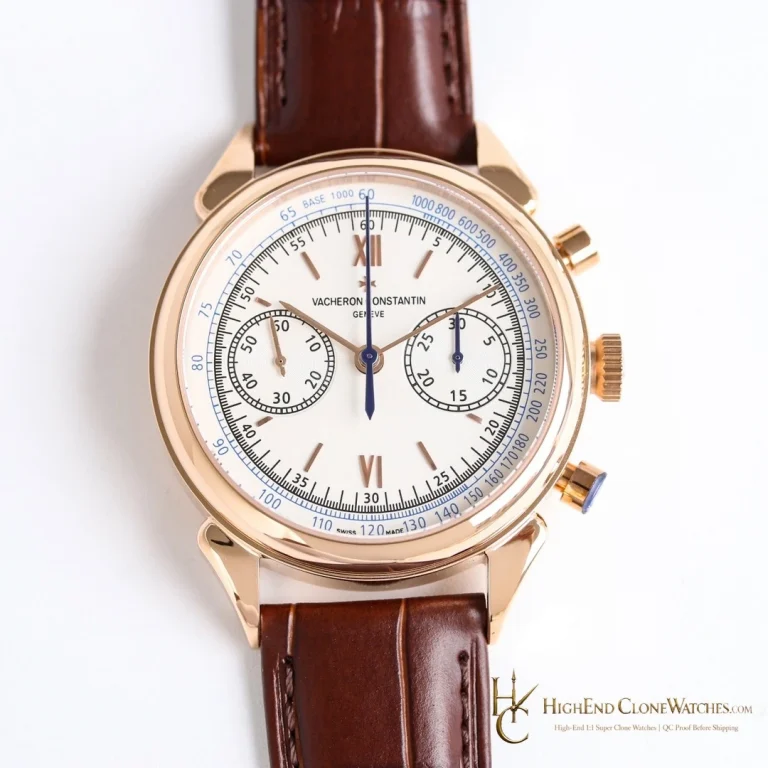
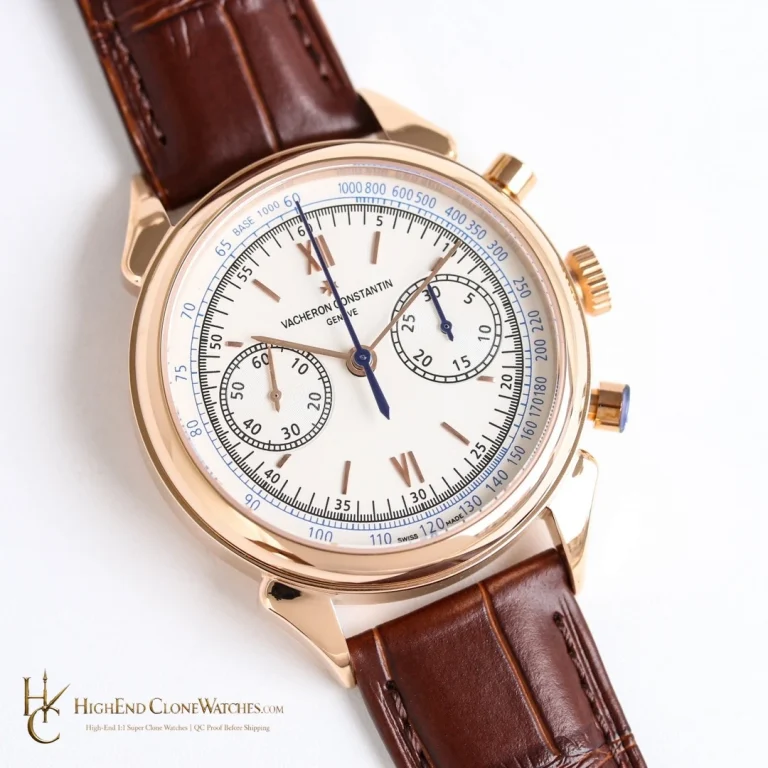
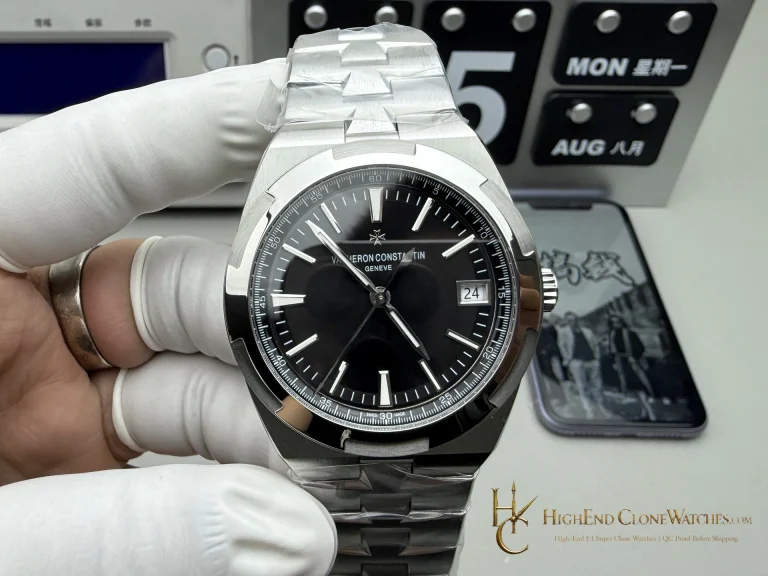
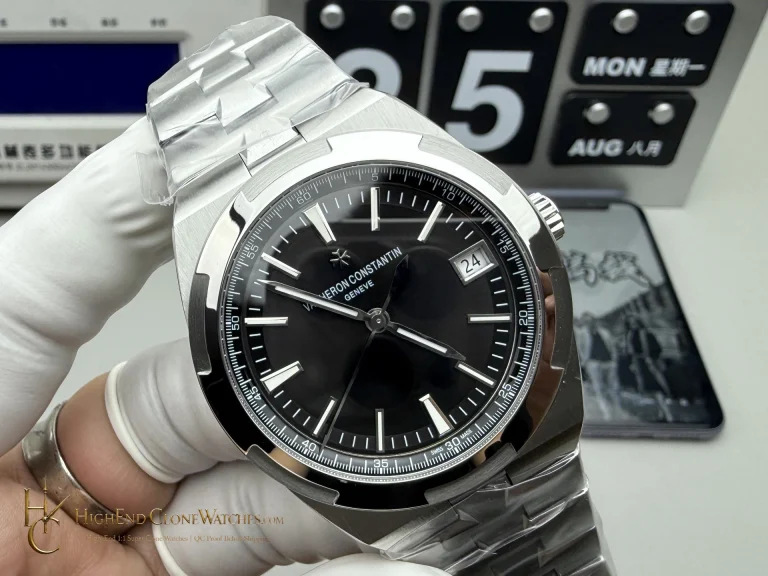
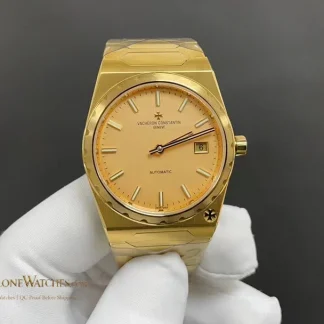
B934 is the useful counterpoint: steel and matte blue make the same compact family cooler and more restrained. Choose B935 when warmth, brushed texture, and bezel geometry matter more than a low-contrast steel presentation.
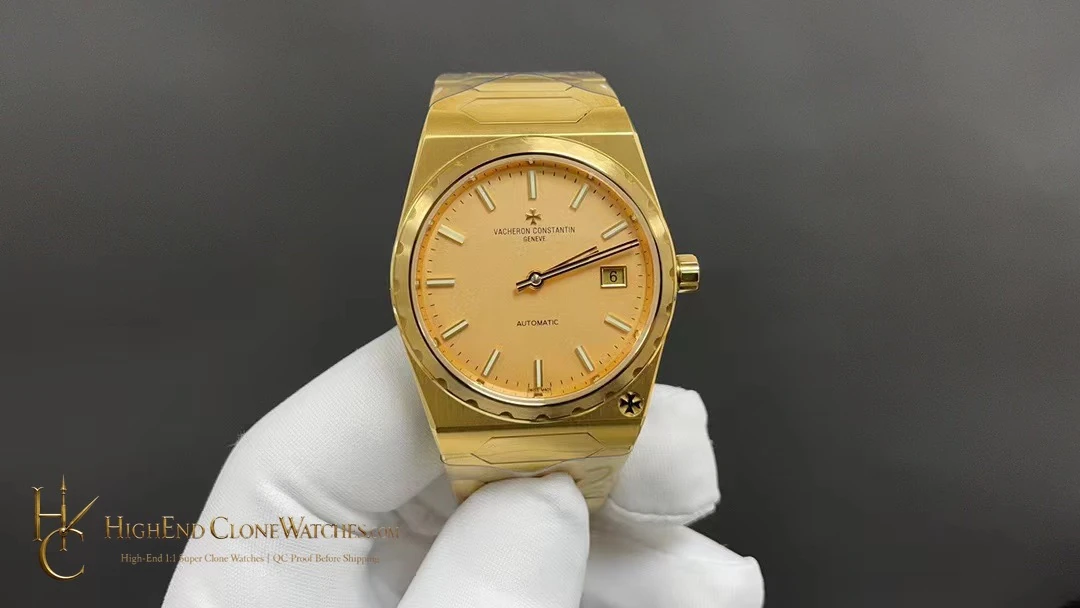
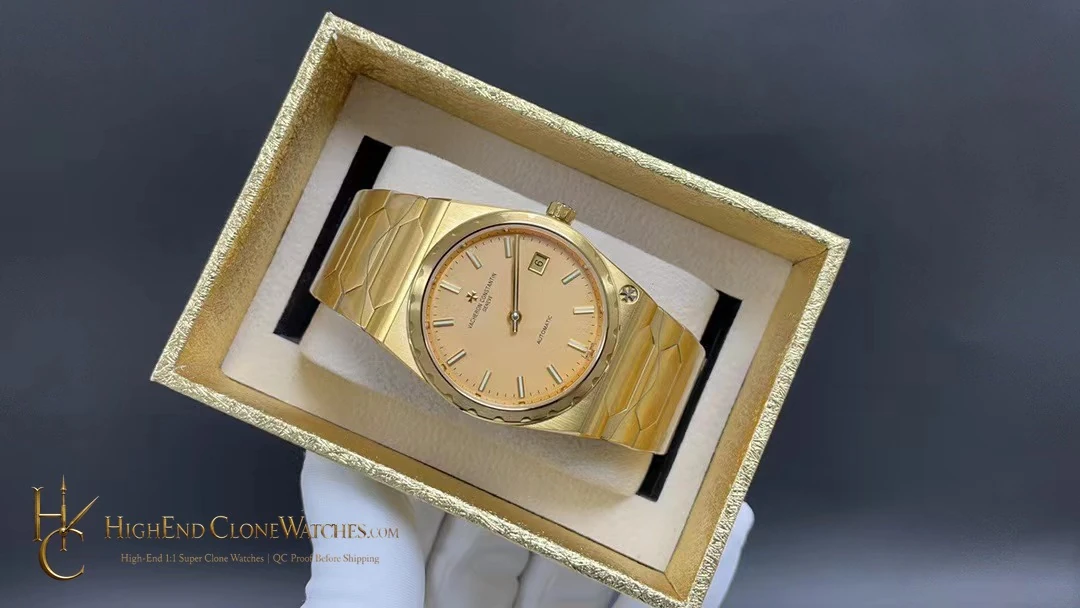
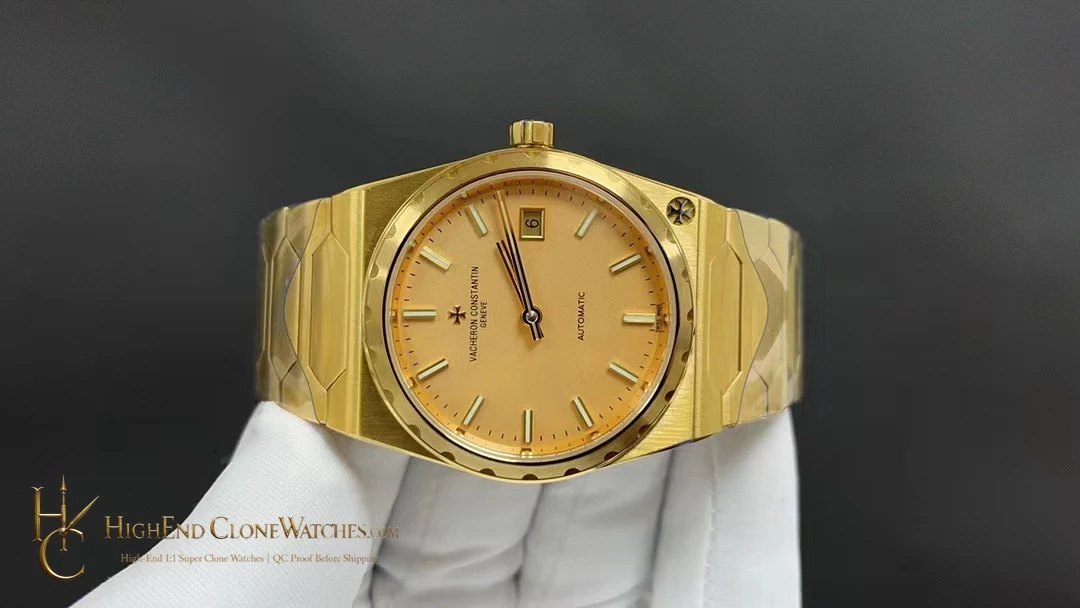
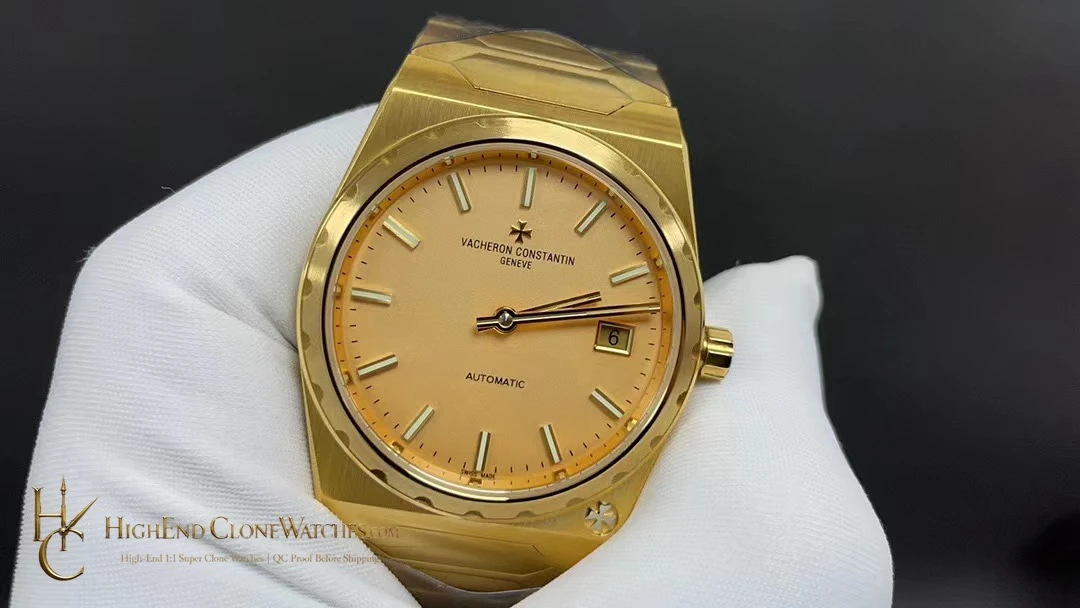
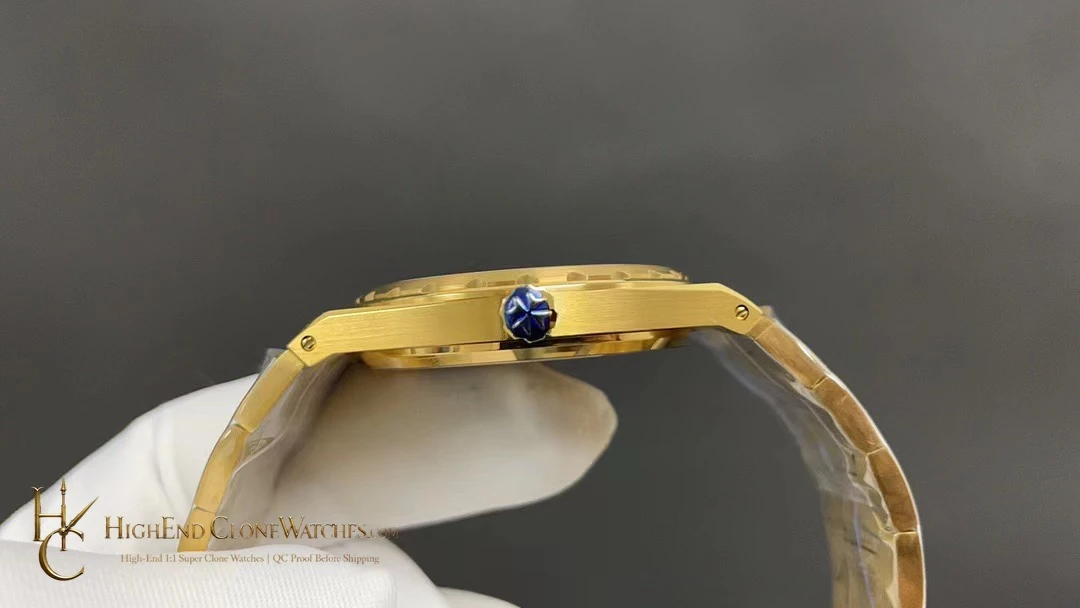
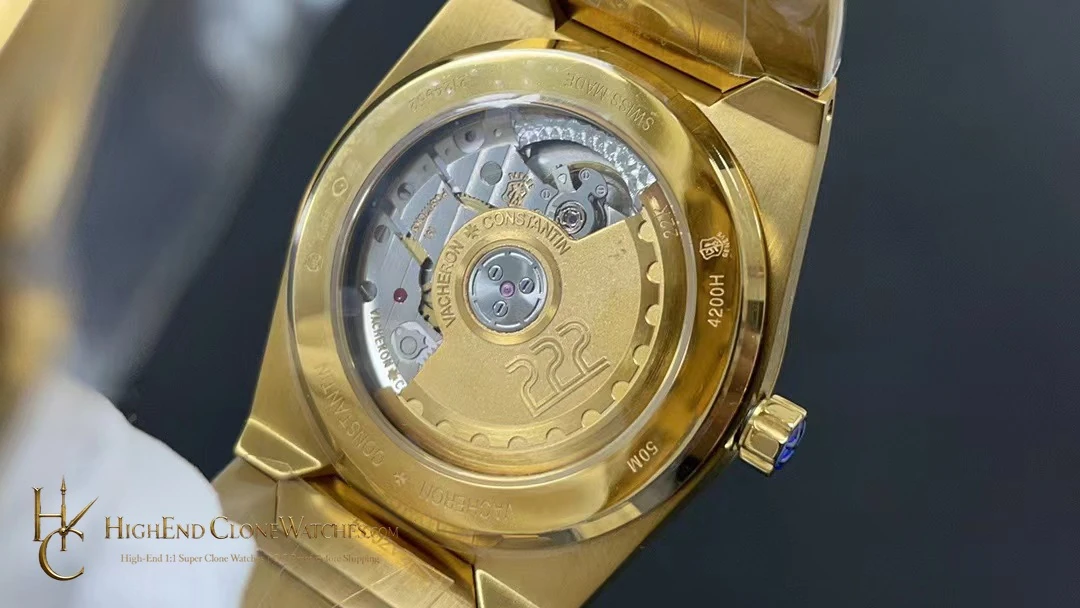
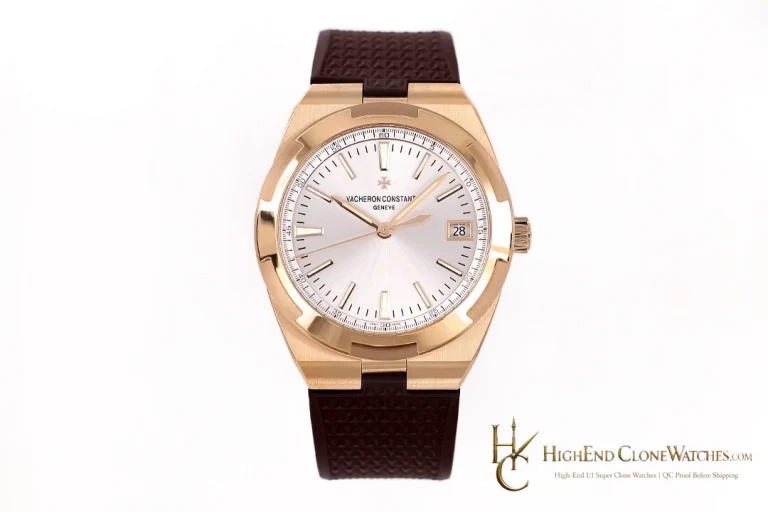
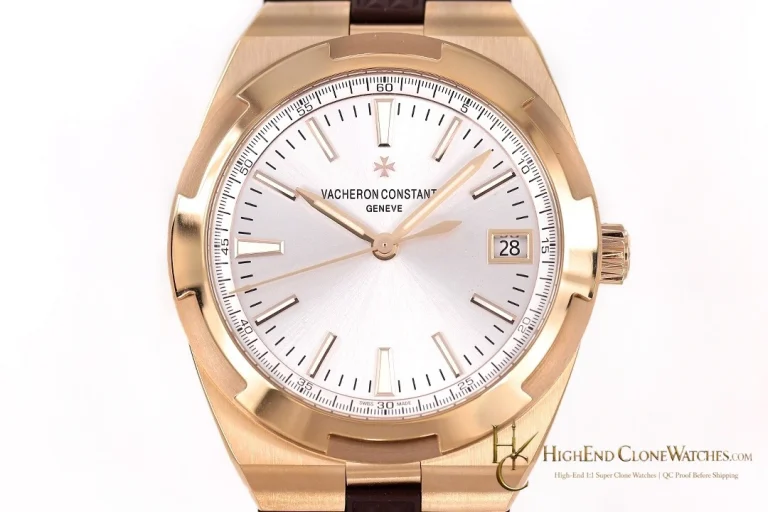
Use the front view to assess the defining dial surface, then use the angled and closure views for the case, bezel, and strap or bracelet details specific to this reference.
The B935 is selected for coordinated warmth, not just a gold-colored dial. The brushed surface, gear-toothed bezel, plated case, and hexagonal bracelet form one continuous visual argument. That gives the compact 222 more evening presence than the steel alternatives, while the 37mm case keeps the outline controlled. The documented 8.4mm thickness and 45.0mm lug-to-lug dimensions help explain the wrist profile, but the decisive cues are visible: dial texture, bezel rhythm, and the way the bracelet meets the case. Review those relationships in the gallery before dispatch. The double-folding clasp is part of the exact configuration and should be checked for alignment, clean release, and secure closure.
The B935 decision is about visual commitment. Its warm surfaces are coordinated from dial to bracelet, so the buyer should want that continuity rather than merely prefer a gold color in isolation. The gear-toothed bezel gives the watch a sharper perimeter, and the brushed links keep the bracelet from appearing flat. Compare the warm-metal finish in the front and angled views, then use the clasp photographs to confirm that the exact bracelet configuration is complete and aligned.
Warmth should remain even across the dial, bezel, case, and links before the clasp is approved.
That coordinated finish is the central B935 buying reason.